
Zero Waste Lifestyle Hacks That Save Money and Simplify Life
Living a zero waste lifestyle isn’t just about helping the planet—it’s also one of the most practical ways to save money and simplify your day‑to‑day routine. By reducing what you throw away, you naturally buy less, reuse more, and spend less time managing clutter. You don’t have to be perfect or fit all of your trash into a mason jar to start seeing benefits. Small, consistent changes can lower your expenses, calm your space, and lighten your environmental footprint.
Below are realistic, budget‑friendly zero waste hacks you can start using today.
What Does Zero Waste Really Mean?
“Zero waste” doesn’t literally mean producing no trash at all. Instead, it’s an approach to life that aims to:
- Reduce what we consume
- Reuse and repair what we have
- Recycle and compost wisely
- Send as little as possible to landfills and incinerators
In practice, zero waste is about designing your habits so that materials circulate longer and you’re less dependent on single‑use items. That shift tends to reduce your spending and clutter—two huge wins for everyday life.
Start With a Simple Zero Waste Mindset Shift
Before buying any product with a “green” label, start with a mental reset. A zero waste lifestyle becomes easier when you run everything through a simple filter:
“Do I need this, or is there a lower‑waste way to solve this?”
Three mindset rules that make a big difference:
-
Use what you have first.
The most sustainable (and cheapest) item is the one that’s already in your home. -
Buy less but better.
One durable item that lasts years usually costs less over time than several cheap, disposable versions. -
Default to reusable.
Whenever there’s a reusable alternative—bottle, bag, container—make it your go‑to.
These small mental habits underpin all the zero waste hacks that follow.
Zero Waste Kitchen Hacks That Cut Your Food Budget
The kitchen is where most household waste (and spending) happens. Tackling it first can deliver fast, visible results.
1. Plan “Use It Up” Meals
Food waste is expensive. Households in many countries throw away hundreds of dollars’ worth of food every year (source: FAO). A simple fix:
- Once a week, scan your fridge and pantry.
- Build a meal around what’s close to expiring.
- Search recipes using those ingredients.
Bonus hack: Make a “leftovers night” once a week. It empties containers, prevents waste, and saves time cooking.
2. Embrace Bulk Buying (Smartly)
Buying in bulk can reduce packaging and cost—when done thoughtfully.
- Bring your own containers or cloth bags if your store allows it.
- Focus on staples you know you’ll use: rice, beans, oats, pasta, nuts, spices.
- Avoid bulk items you rarely eat or that go stale quickly.
This not only cuts down on plastic packaging but also usually lowers your cost per unit.
3. Switch to Reusable Kitchen Basics
Many disposable items are easy (and cheap) to replace with reusables:
- Swap paper towels for cloth rags or microfiber cloths (old T‑shirts work perfectly).
- Replace plastic wrap with containers, plates over bowls, or reusable wraps.
- Use glass jars (pasta sauce, jam jars) as food storage instead of buying more plastic tubs.
Over a year, these swaps can save a surprising amount on “small” recurring purchases.
Zero Waste Shopping: Spend Less, Bring Home Less Clutter
Shopping habits are central to a zero waste lifestyle and your budget.
4. Carry a “Zero Waste Go‑Kit”
Keep a simple kit near your door or in your bag:
- Reusable shopping bag
- Small produce bag (or pillowcase)
- Reusable water bottle
- Travel coffee cup (if you buy coffee out)
This kit helps you avoid single‑use bags, cups, and bottles while saving the cost of “extras” like bottled water or takeout packaging.
5. Buy Secondhand First
Before buying new, check:
- Local thrift stores
- Online marketplaces
- Community “buy nothing” groups
Clothing, furniture, kitchenware, tools, and even electronics can be found secondhand at a fraction of the price—and with no new packaging.
6. Choose Products With Less Packaging
When you do buy new:
- Pick loose produce instead of pre‑packaged.
- Choose large containers over multiple small ones.
- Favor brands that use paper, glass, or metal packaging (easier to recycle).
This small habit reduces bins full of trash and recycling, and over time often trims your grocery bill.
Bathroom and Personal Care: Simple, Low‑Waste Swaps
The bathroom is full of small plastic items that are easy to rethink.
7. Switch to Bars and Concentrates
Solid products are often packaged in cardboard, last longer, and are lighter to ship:
- Bar soap instead of bottled body wash
- Shampoo and conditioner bars instead of plastic bottles
- Toothpaste tablets instead of plastic tubes (if available near you)
These swaps reduce plastic and often work out cheaper per use.
8. Reusable Alternatives for Daily Comfort
Some straightforward zero waste upgrades:
- Safety razor instead of disposable plastic razors
- Cloth wipes or reusable cotton rounds for makeup removal
- Menstrual cup or reusable pads instead of single‑use products
Most of these repay their upfront cost in a matter of months.
Cleaning Your Home the Zero Waste Way
A minimalist cleaning routine saves space and money.
9. Use Multipurpose Cleaners
Instead of a different bottle for every surface, use a couple of simple solutions:
- Vinegar + water for glass and many hard surfaces
- Baking soda as a gentle scrub
- Castile soap diluted as a general cleaner
Refill large bottles from bulk or concentrate when possible. Fewer bottles means less plastic and less clutter under the sink.
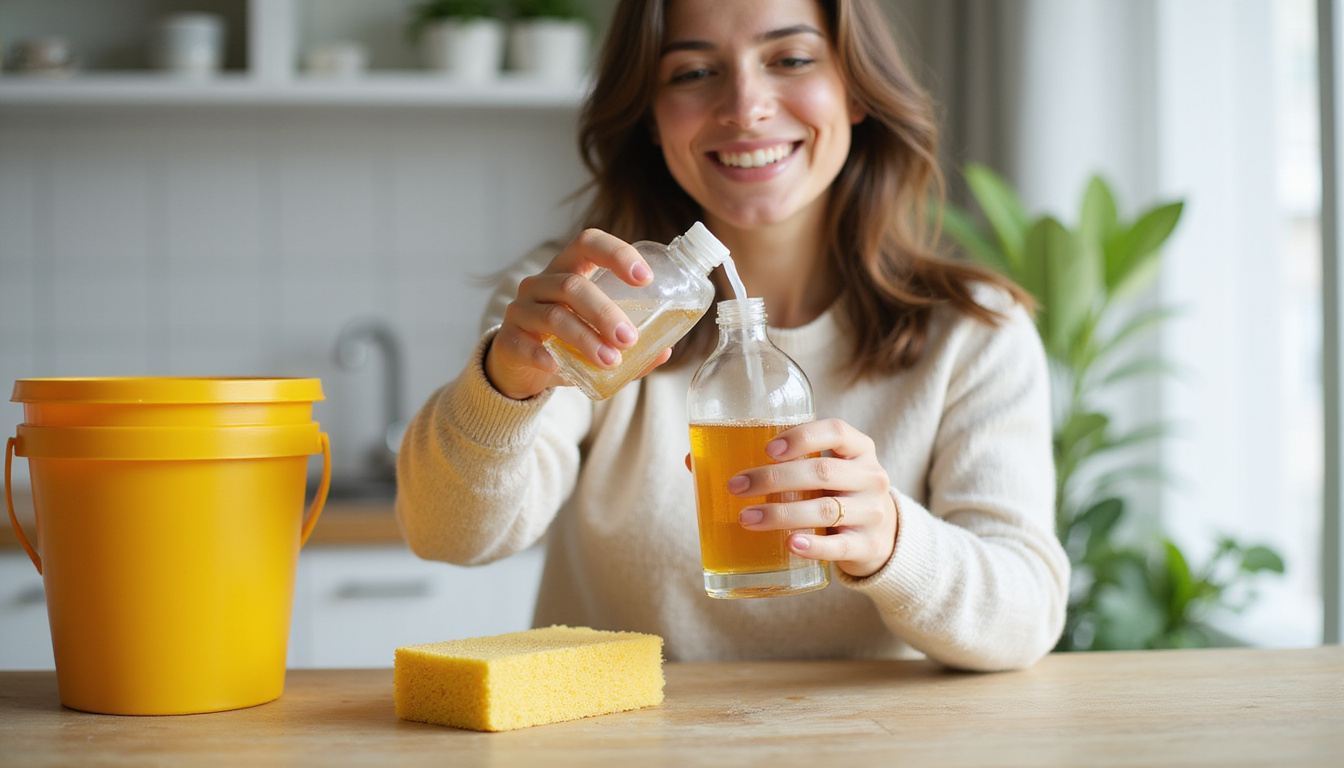
10. Make Use of Old Textiles
Before tossing worn towels, T‑shirts, or sheets:
- Cut them into cleaning rags.
- Use them for dusting, mopping, or polishing.
You avoid buying paper towels or new cleaning cloths and keep textiles out of the trash longer.
Clothing and Wardrobe: Less Stuff, More Style
Zero waste and minimalism go hand in hand when it comes to clothing.
11. Build a “Capsule” Wardrobe
A capsule wardrobe is a small set of versatile items you love and that mix well together. Benefits:
- Less decision fatigue
- Less laundry
- Less impulse buying
Before buying anything new, ask: “Will I wear this at least 30 times?” If not, skip it.
12. Repair, Don’t Replace (When Possible)
Basic mending can dramatically extend the life of your clothes:
- Sew on lost buttons
- Fix small holes or loose seams
- Patch jeans instead of tossing them
If you don’t sew, local tailors or repair shops are often inexpensive, especially compared to replacing quality items.
Zero Waste on the Go: Make Life Easier, Not Harder
Living zero waste outside the home is about planning, not perfection.
13. Pack Snacks and Meals
Bringing your own food:
- Cuts down on takeaway containers and wrappers
- Saves money on impulse purchases
- Gives you healthier options
Simple items like sandwiches, nuts, fruit, or leftovers in a container are easy wins.
14. Say “No, Thanks” to Freebies
Flyers, promo items, free pens, and plastic trinkets clutter your space and often end up in the trash. Get comfortable politely declining:
- “No bag, thanks, I have my own.”
- “I’ll skip the freebies, but thank you.”
You bring less waste—and fewer decisions—home.
One Change at a Time: A Practical Zero Waste Roadmap
You don’t need to overhaul your entire life overnight. In fact, gradual changes are more sustainable and less stressful.
Here’s a simple progression you can follow:
- Week 1–2: Carry a reusable bag and water bottle.
- Week 3–4: Plan one “use it up” meal each week and do a leftovers night.
- Month 2: Swap paper towels for cloth, and start using glass jars for storage.
- Month 3: Replace one bathroom product with a low‑waste version (e.g., bar soap).
- Month 4: Choose one clothing habit to upgrade: repair, buy secondhand, or build a mini‑capsule wardrobe.
By the end of a few months, you’ll have a noticeably lower‑waste routine that costs less and feels easier to manage.
Quick-Start List: Zero Waste Hacks You Can Try This Week
- Bring your own bag, bottle, and coffee cup.
- Cook one meal entirely from food you already have.
- Switch from paper towels to a stack of washable cloths.
- Save glass jars and use them for leftovers or bulk foods.
- Decline plastic cutlery with your takeout order.
- Repair one item you were thinking about replacing.
Pick two or three to start with. When they feel normal, add more.
FAQ: Common Questions About the Zero Waste Lifestyle
Q1: Is a zero waste lifestyle expensive to start?
A zero waste approach can be as cheap or as costly as you make it. You do not need a set of brand‑new “eco” products. Start by using what you already own, buying less overall, and making simple swaps like cloth rags, secondhand items, and bulk foods. Over time, most people save money because they cut out disposables and impulse buys.
Q2: How can I do zero waste living in a small apartment?
Zero waste living in a small space actually makes a lot of sense. Focus on reducing what you bring in: choose multipurpose items, minimize packaging, and create a simple cleaning and kitchen setup. Even a small compost option (like a community drop‑off or countertop system, if available) and a compact set of reusables can significantly cut your trash without needing extra storage.
Q3: What are the easiest zero waste swaps for beginners?
The easiest starting points are high‑impact, low‑effort swaps: reusable shopping bags, a water bottle, a coffee cup, and cloth instead of paper towels. From there, kitchen storage in reused jars, bar soap in place of bottled soap, and buying secondhand clothing are straightforward next steps that quickly reduce both waste and spending.
Your Next Step Toward a Simpler, Cheaper Zero Waste Life
Every piece of trash you avoid is money you didn’t have to spend and clutter you don’t have to manage. A zero waste lifestyle isn’t about perfection or pressure—it’s about aligning your habits so they support your wallet, your time, and the planet at the same time.
Choose one area—kitchen, shopping, bathroom, or wardrobe—and put just one hack into action this week. Once it feels easy, add another. Bit by bit, you’ll build a low‑waste routine that simplifies your life, shrinks your trash, and keeps more money in your pocket.
Start today: pick your first zero waste swap, set it up, and notice how much lighter your home (and budget) feel in just a few weeks.
Junk Guys San Diego
Phone: 619-597-2299
Website: www.junkguyssd.com
Email: junkguyssd619@gmail.com