
Whether you’re managing a job site, cleaning out a property, or tackling a major home declutter, truckload removal can be the fastest way to get junk off your property and reclaim your space. But if you’re not careful, it can also become surprisingly expensive and time‑consuming. The good news: with a bit of planning, you can cut costs dramatically and get everything cleared out quickly and safely.
This guide walks you through how truckload removal works, when it makes sense, how to compare options, and the smartest ways to save money without sacrificing speed.
What Is Truckload Removal?
Truckload removal is a junk or debris hauling service where your cost is based on how much of a truck you fill—usually measured in:
- Full truckload
- Half truckload
- Quarter truckload
- Or by specific volume (e.g., cubic yards)
Instead of renting a dumpster or making multiple trips to the landfill yourself, a truckload removal crew comes to you, loads everything, and hauls it away in one or more truckloads.
Common uses include:
- Whole‑house cleanouts
- Move‑out or eviction cleanups
- Construction and renovation debris
- Office or warehouse clear‑outs
- Yard waste and storm debris
For many people, the appeal is simple: one call, one truck, and your space is clean.
Truckload Removal vs. Other Junk Solutions
Before you book, it helps to understand how truckload removal compares to other options.
Truckload Removal vs. Dumpster Rental
Truckload removal:
- Pros: Labor included, fast, no container sitting on your property, great for tight spaces.
- Cons: You usually pay by volume; timing must be scheduled; may be more expensive for very large, ongoing projects.
Dumpster rental:
- Pros: Best for long projects; you load at your own pace; flat fee for the container.
- Cons: You do the heavy lifting; permits may be required; can take up driveway/space for days.
Truckload Removal vs. DIY Hauling
DIY hauling sounds cheaper, but you’ll need:
- A truck or trailer (owned, rented, or borrowed)
- Time for loading and unloading
- Fuel and landfill fees
- Help with heavy items
- Knowledge of disposal rules for things like electronics or hazardous waste
For a small load and short distance, DIY can work. For large or multiple truckloads, professional truckload removal often ends up cheaper when you factor in your time, risk of injury, and multiple trips.
When Truckload Removal Makes the Most Sense
You’ll get the best value out of truckload removal when:
- Speed matters. You’re on a tight deadline—closing date, move‑out, inspection, or job completion.
- You have bulky or heavy items. Appliances, furniture, construction materials, or large yard waste.
- You don’t have help. No crew, no truck, no extra hands.
- You lack space for a dumpster. Tight driveways, shared parking, or HOA restrictions.
- You want one-and-done clearing. Everything gone in a single visit if possible.
If several of these apply, a truckload removal service is likely your best bet.
How Pricing Typically Works (and Where Costs Creep Up)
Most junk hauling companies that offer truckload removal use a similar pricing structure:
- By truck volume: You pay for the portion of the truck you fill (e.g., ¼, ½, ¾, full truckload).
- By type of material: Clean, single‑type loads (like yard waste or construction debris only) may get a better rate than mixed junk.
- By location: Higher costs in dense urban areas or where disposal fees are high.
- By access difficulty: Extra charges if items are far from the truck, up/down multiple flights of stairs, or need disassembly.
Additional possible fees:
- Surcharges for heavy materials (concrete, brick, soil, roofing)
- Fees for special handling (mattresses, tires, appliances, electronics)
- After-hours or weekend service charges
- Long‑distance travel or remote site fees
Knowing these cost drivers makes it much easier to control your final bill.
7 Practical Ways to Cut Costs on Truckload Removal
You can save a surprising amount on truckload removal by planning ahead. Here are the most effective strategies:
1. Pre‑Sort and Consolidate Your Items
Truckload removal is priced largely by volume and by how long the crew is on site. Make it as easy as possible for them to load quickly.
- Move items to a central, accessible area (garage, driveway, curb, or front yard where allowed).
- Group similar materials together (metal, wood, yard waste, household junk).
- Break down large items—disassemble furniture, flatten boxes, cut long branches.
This can reduce your “used volume” and your labor time, both of which lower your cost.
2. Donate or Sell Reusable Items First
Don’t pay to haul away things someone else would happily take.
- Sell furniture, tools, or working appliances via local marketplaces.
- Donate reusable items to local charities, thrift stores, or building material reuse centers.
- Post curb alerts (if allowed) for free pickup by neighbors.
The U.S. Environmental Protection Agency notes that reusing items reduces waste and conserves resources compared with disposal (source: EPA Sustainable Management of Materials). Every item you rehome is one less item you pay to remove.
3. Separate Free or Low‑Cost Dump Items
Many municipalities accept certain items free or at low cost at public facilities, such as:
- Green waste (yard trimmings)
- Scrap metal
- Clean cardboard or recyclables
- Household hazardous waste on specific days
If you’re able to do a quick run yourself for these free categories, your paid truckload removal can focus on what truly requires a service—bulky junk, mixed debris, heavy items.
4. Optimize for Fewer Truckloads
Because truckload removal pricing is tied to how many truckloads you occupy, loading efficiently matters.
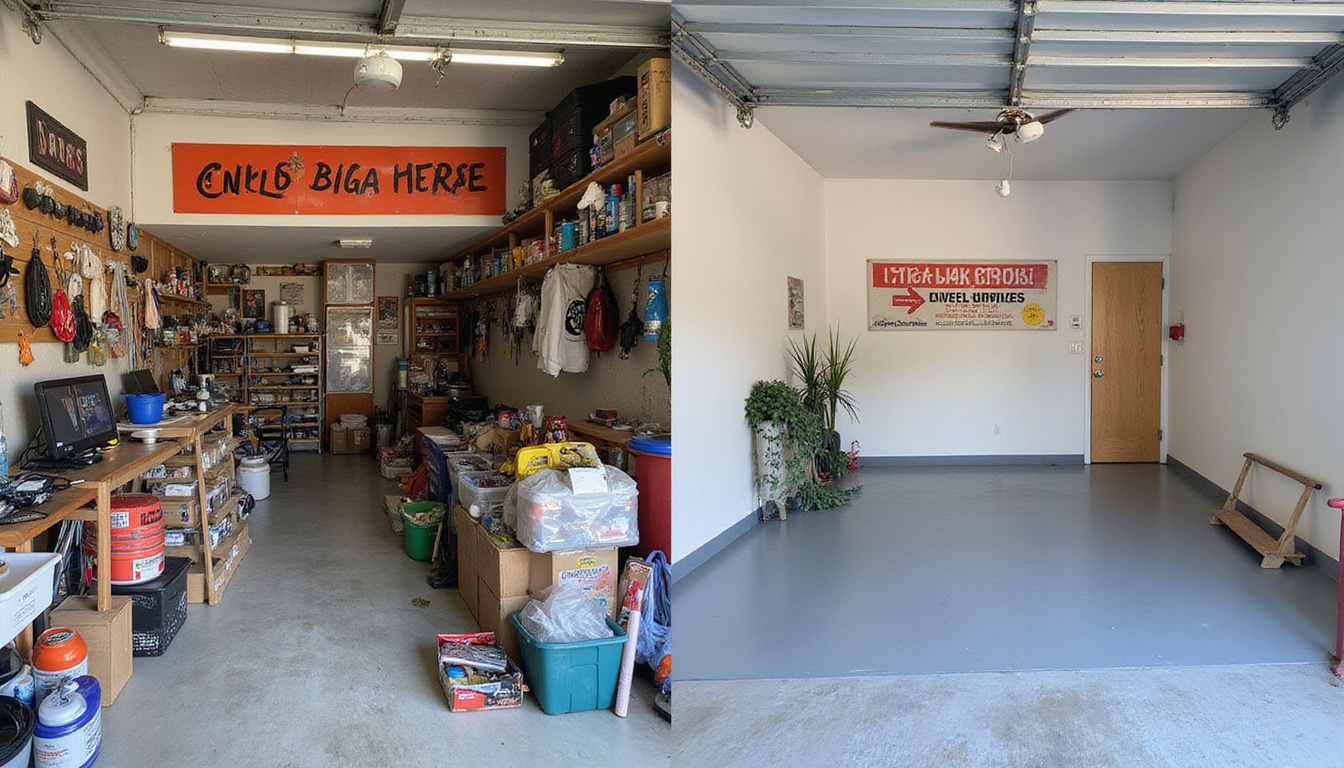
Ask the company:
- What is the exact truck capacity (cubic yards)?
- Can they estimate your project in advance and aim for a single full truckload instead of multiple partial loads?
- Do they offer “load to the brim” or compaction for construction debris?
Try to schedule once you’ve got everything ready and in one place, rather than calling them back for a second trip for “a few more things.”
5. Compare Multiple Truckload Removal Quotes
Don’t assume all services are priced the same. Get at least 2–3 quotes and compare:
- How they define a full truckload (size varies by company).
- What’s included in the price (labor, disposal fees, light demolition, cleanup).
- Surcharges for specific items or materials.
- Insurance, licensing, and online reviews.
Give each company a similar description (or photos) of what you have so quotes are comparable.
6. Avoid Rush Fees by Planning Ahead
If you can, avoid last‑minute bookings, which sometimes result in premium charges or fewer available time slots.
- Schedule at least a few days in advance.
- Ask if midweek appointments are cheaper than weekends.
- See if they offer discounts for flexible pickup windows (for example, anytime between 8 a.m. and 4 p.m.).
Planning ahead gives you more negotiating room and better time options.
7. Ask About Flat Rates for Specific Jobs
For very predictable loads—like a standard garage cleanout, an eviction clear‑out, or a defined pile of construction debris—some providers will:
- Offer a flat “project price” instead of a strict per‑volume rate.
- Bundle services (truckload removal plus light demolition, for instance).
Flat rates can protect you from minor volume overages and keep the job within budget.
Safety and Compliance: Don’t Ignore the Rules
Cutting corners on disposal can backfire in fines or damage. When arranging truckload removal, confirm:
- They’re properly licensed and insured. This protects you if there’s property damage or worker injury.
- They follow local dumping laws. Avoid any company that seems vague about where your junk goes.
- They handle restricted items correctly. Things like paint, chemicals, propane tanks, and certain electronics often require special handling.
If you’re generating construction or renovation debris, check if local rules require specific recycling for materials like concrete, metal, or roofing—your truckload removal provider should know the regulations.
Step‑by‑Step: How to Prepare for a Truckload Removal Service
To get in and out quickly—and keep your cost down—use this simple checklist before the truck arrives:
- Walk through and decide what’s going. Mark or separate “keep” vs. “remove” items.
- Consolidate junk to a few key areas. Garage, driveway, or main floor if possible.
- Disassemble large pieces. Remove table legs, break down shelving, cut up long lumber.
- Separate special categories. Metal, electronics, hazardous materials (ask the company what they’ll take).
- Clear access paths. Ensure pathways, driveways, gates, and doors are open and safe.
- Take photos. Send them to the company ahead of time for a more accurate price estimate.
- Confirm details. Arrival window, payment method, what’s included, and any surcharges.
A little upfront work turns a half‑day ordeal into a fast, predictable visit.
FAQs About Truckload Removal and Related Services
1. How much does a truckload of junk removal typically cost?
Costs for a truckload of junk removal vary by region, truck size, and material type, but many services price a full truckload in the low to mid hundreds of dollars. You’ll often see tiers (⅛, ¼, ½, ¾, and full load). The best way to get an accurate number is to send photos or request an on‑site estimate so the company can see volume and access challenges.
2. Is full truck load junk removal better than renting a dumpster?
Full truck load junk removal is better when you want fast, one‑time clearing and don’t want to do the heavy lifting. Dumpster rental can be better for multi‑day projects where you’ll generate debris gradually. If you’re unsure, get quotes for both options and compare total costs, including your own time and labor.
3. Can I share a truckload trash removal with a neighbor to save money?
Yes, sharing a truckload trash removal is a smart way to reduce costs. As long as the truck can access both properties easily and the company allows split jobs, you can fill one full truckload between you and divide the price. Just coordinate scheduling and payment details with both your neighbor and the service provider in advance.
Clear Space, Cut Costs, and Get It Done
Truckload removal doesn’t have to drain your budget. By pre‑sorting, donating or selling usable items, optimizing how much you fit into each truckload, and comparing a few reputable providers, you can clear clutter or job‑site debris quickly and affordably.
If you’re staring at a garage full of junk, a renovation pile that’s taken over your yard, or an entire property that needs to be turned over fast, now is the time to act. Reach out to a trusted local truckload removal service, share photos of what you need gone, and ask for a clear, all‑in estimate. With a single scheduled visit, you can reclaim your space, stay on schedule, and move on to what actually matters next.
Junk Guys San Diego
Phone: 619-597-2299
Website: www.junkguyssd.com
Email: junkguyssd619@gmail.com