
On site recycling is no longer just a “nice-to-have” sustainability initiative—it’s a strategic business decision that can directly reduce operating costs, protect against rising disposal fees, and even generate new revenue. From manufacturers and construction firms to hotels and office complexes, organizations of all sizes are discovering that keeping valuable materials in-house pays off on the bottom line.
This guide explains how on site recycling works, where the real savings come from, and how to build a practical program that increases profit while strengthening your environmental credentials.
What Is On Site Recycling?
On site recycling is the process of collecting, sorting, and processing recyclable materials directly at your facility rather than sending them out as waste. Instead of paying haulers to transport everything to landfills or off-site recycling centers, you manage more of the waste stream internally.
Common examples include:
- Baling cardboard and plastics for sale to recyclers
- Shredding and reusing wood pallets or offcuts
- Crushing and reusing concrete and asphalt on construction sites
- Filtering and reusing process water or coolants in manufacturing
- Composting food scraps at restaurants or food plants
The principle is straightforward: if you can reduce the volume of waste leaving your site and recover value from materials you already paid for, you cut costs and support profit.
The Business Case: How On Site Recycling Cuts Costs
The financial benefits of on site recycling typically appear in three main areas: disposal savings, material savings, and operational efficiencies.
1. Lower Waste Disposal and Hauling Costs
Every ton of material you divert from the dumpster is a ton you don’t have to pay to haul and landfill.
Key savings drivers:
- Fewer pickups: Compacted or baled recyclables require fewer pulls than loose trash.
- Smaller containers: Recycling more allows you to reduce dumpster size or frequency.
- Avoided landfill tipping fees: As landfill costs rise, diversion becomes more valuable.
For many businesses, waste disposal is a “set it and forget it” line item. A basic waste audit, combined with on site recycling, can reduce that recurring expense noticeably.
2. New Revenue from Recyclable Materials
Certain materials have consistent market value when properly separated and processed, including:
- Cardboard (OCC)
- Mixed paper
- Aluminum and other metals
- Certain plastics (e.g., PET, HDPE)
- Wood pallets in good condition
By installing balers, compactors, or sorting systems, you can sell recyclables to processors instead of paying to throw them away. For high-volume operations, this can become a meaningful revenue stream.
3. Reduced Purchase of Virgin Materials
Some on site recycling systems let you reuse your own materials instead of buying new inputs:
- Construction and demolition: Crushed concrete and asphalt can be used as base material on the same site.
- Manufacturing: Scrap metal, plastic regrind, or off-spec products can be reprocessed into new production.
- Food and agriculture: Organic waste can become compost or animal feed, reducing purchase of soil amendments.
This closes the loop, cutting both waste and procurement costs at the same time.
4. Efficiency and Productivity Gains
Well-designed on site recycling can streamline operations:
- Clear material flows reduce clutter and handling time.
- Centralized collection points reduce trips and labor.
- Automated equipment (balers, compactors) cuts manual work hours.
These gains are often overlooked but can significantly improve productivity and safety.
Where On Site Recycling Pays Off the Most
While almost any business can benefit, certain sectors see especially strong returns.
Manufacturing and Industrial Facilities
Manufacturers generate consistent streams of:
- Cardboard and stretch wrap from incoming goods
- Scrap metals, plastics, and other byproducts of production
- Used oil, solvents, and process water
On site recycling lets these facilities:
- Recycle metal and plastic scrap back into production
- Filter and reuse fluids
- Sell baled cardboard and plastics
Because of their volume and material consistency, manufacturers are prime candidates for robust on site systems.
Construction and Demolition (C&D)
Construction sites often implement on site recycling to:
- Crush concrete and asphalt for reuse as aggregate
- Separate metals, wood, and cardboard for sale
- Minimize hauling costs for heavy debris
Reusing material on the same project can significantly reduce both material and transport costs, while helping meet green building standards such as LEED (source: U.S. Green Building Council, usgbc.org).
Retail, Warehousing, and Distribution
These operations generate large amounts of:
- Cardboard (from packaging)
- Plastics (shrink wrap, film)
- Pallets and crates
Installing balers and pallet-repair programs on site allows:
- Revenue from cardboard bales
- Reduced trash pickups
- Lower pallet purchase costs through repair and reuse
Hospitality, Food Service, and Offices
For these businesses, on site recycling often focuses on:
- Paper, cardboard, and bottles/cans
- Food waste (composting or animal feed)
- E-waste and printer cartridges
While volumes may be lower than in heavy industry, the combination of cost control and branding benefits is powerful.
Key Components of an Effective On Site Recycling Program
To make on site recycling profitable and sustainable, you need more than a few extra bins. The most successful programs share several core components.
1. Waste (and Resource) Audit
Start by understanding what you generate:
- Types of materials (paper, plastics, metals, organics, etc.)
- Quantities and seasonal variations
- Current disposal methods and costs
- Contamination issues (e.g., food on cardboard, mixed materials)
This audit helps prioritize which streams to tackle first and where on site recycling will deliver the fastest payback.
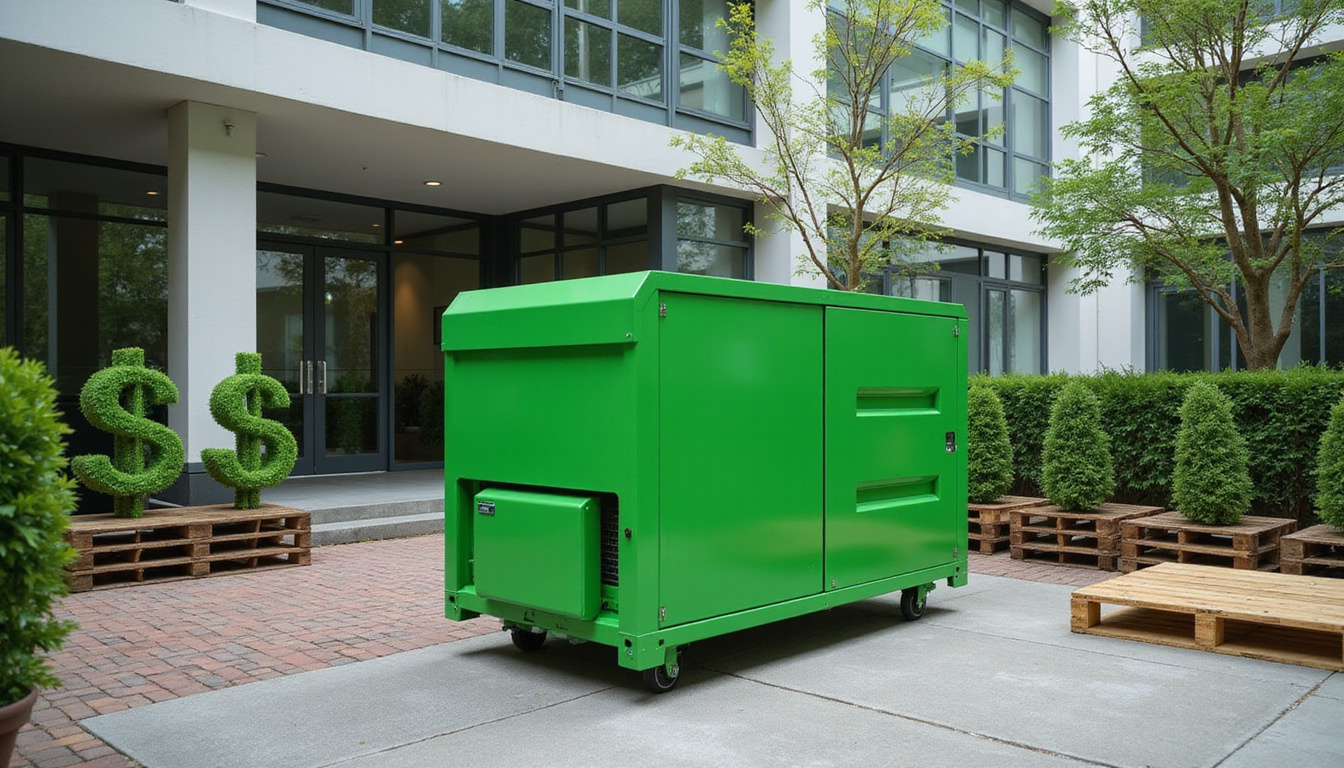
2. Right-Sized Equipment
Depending on your volume and space, consider equipment such as:
- Balers: For cardboard, plastics, and other fibers
- Compactors: For general waste or specific recyclables
- Crushers/Shredders: For concrete, glass, wood, or plastics
- Sorting systems and conveyors: For larger facilities
- Organic processing systems: Composters, digesters, dehydrators
Choose scalable options so your system can grow as volumes and material prices change.
3. Clear Collection and Sorting Systems
Poor sorting leads to contamination and lower material value. Establish:
- Color-coded bins and clear signage
- Dedicated collection areas for each material stream
- Simple, enforceable rules (what goes where)
- Internal schedules for moving material to processing points
If employees find the system confusing or inconvenient, contamination and participation issues will undermine results.
4. Staff Training and Engagement
People make the system work. Provide:
- Initial training sessions for all relevant staff
- Quick-reference guides or posters at key locations
- Refresher training when processes change
- Simple feedback loops (e.g., contamination reports, suggestions)
Consider involving employees in identifying new recycling opportunities—they often see waste firsthand and know where improvements are possible.
5. Data Tracking and Continuous Improvement
Monitor and report:
- Amount of material diverted by type
- Disposal costs vs. recycling revenue
- Equipment uptime and maintenance issues
- Contamination rates
Regular review lets you:
- Adjust pickup schedules
- Negotiate better rates with recyclers
- Justify further investment to leadership
- Communicate wins internally and externally
Financial Planning: Calculating ROI for On Site Recycling
Before investing in equipment or redesigning your waste systems, build a simple business case.
Steps to Estimate Return on Investment
-
Quantify current costs:
- Hauling fees, container rentals
- Landfill or disposal charges
- Labor associated with handling waste
-
Estimate diversion potential:
- Based on your waste audit, determine what percentage of each material can reasonably be recycled on site.
-
Project revenue and savings:
- Expected income from selling recyclables
- Reduced disposal/hauling costs
- Reduced purchases of virgin materials (if applicable)
-
Calculate total investment:
- Equipment purchase or lease
- Installation and any facility modifications
- Training and initial consulting (if used)
-
Determine payback period and ROI:
- Payback period = Total investment / Annual net savings
- Many systems target payback within 2–4 years, sometimes faster for high-volume operations.
-
Factor in non-financial benefits:
- ESG and sustainability goals
- Compliance with regulations or customer requirements
- Reputational value and marketing opportunities
Common Challenges—and How to Overcome Them
Implementing on site recycling is not without obstacles, but most can be managed with planning.
Space Constraints
- Use vertical balers or compactors to minimize footprint.
- Consolidate multiple small waste areas into one central station.
- Evaluate outdoor or dockside placement with weather protection.
Contamination and Participation
- Simplify sorting rules.
- Place bins exactly where materials are generated.
- Provide clear visuals (photos, icons) rather than text-only instructions.
- Conduct occasional spot checks and feedback sessions.
Fluctuating Commodity Prices
- Focus on materials where savings from reduced disposal are strong regardless of market price.
- Diversify the materials you recycle to spread risk.
- Consider long-term contracts with reputable recyclers to reduce volatility.
Upfront Capital Costs
- Explore leasing equipment instead of purchasing.
- Seek grants or incentives from local governments or utilities.
- Start with a pilot program for your highest-value material streams and expand later.
Environmental and Brand Benefits
While this article focuses on profit, the environmental benefits of on site recycling are substantial:
- Reduced landfill use and associated emissions
- Lower demand for raw materials and energy-intensive production
- Smaller carbon footprint for your operations
These outcomes can strengthen:
- ESG reporting and sustainability ratings
- Alignment with customer and investor expectations
- Employer branding and employee engagement
For many organizations, the combination of measurable cost savings and visible environmental leadership makes on site recycling a cornerstone of corporate sustainability strategy.
Practical Steps to Get Started with On Site Recycling
To move from idea to implementation:
- Form a small project team representing operations, facilities, finance, and sustainability (if applicable).
- Conduct a quick waste audit over one or two weeks.
- Identify 1–3 high-impact material streams (e.g., cardboard, metals, concrete, organics).
- Consult with one or two equipment providers and local recyclers to understand options and pricing.
- Build a simple financial model outlining costs, savings, and payback.
- Pilot the program in one area or department before rolling out company-wide.
- Measure results and refine, then expand to additional materials and locations.
FAQ: On Site Recycling and Business Profitability
Q1: What types of businesses benefit most from on site materials recycling?
Any organization that generates consistent volumes of waste can benefit, but manufacturing plants, distribution centers, retailers, hotels, and construction companies typically see the strongest returns. The more uniform and predictable your waste stream, the easier it is to design profitable on site materials recycling systems.
Q2: Is on-site industrial recycling worth it for smaller companies?
Yes, on-site industrial recycling can be cost-effective even for smaller operations if you focus on one or two high-volume materials, such as cardboard or metals. Leasing compact equipment, sharing services within a business park, or partnering with a local recycler for training and setup can keep upfront costs manageable.
Q3: How do I know if on premise recycling will really save money?
Estimate your current annual waste costs (hauling, disposal, labor) and compare them with projected savings from diversion and any revenue from selling recyclables. A basic on premise recycling feasibility study—often provided by waste consultants or equipment vendors—can help you model payback periods using your actual volumes and local market conditions.
Implementing on site recycling is one of the most direct ways to turn a cost center into a source of savings and, in many cases, revenue. By understanding your waste stream, investing in the right equipment and processes, and engaging your team, you can reduce disposal costs, cut material purchases, and strengthen your reputation as a responsible, efficient business.
If you’re ready to find out how much your organization could save, start with a focused waste audit and a conversation with a qualified recycling equipment or service provider. Turning your “trash” into a profit-driving resource begins on site—and the sooner you start, the faster those savings can hit your bottom line.
Junk Guys San Diego
Phone: 619-597-2299
Website: www.junkguyssd.com
Email: junkguyssd619@gmail.com