
Industrial Junk Removal Hacks That Slash Cleanup Time and Costs
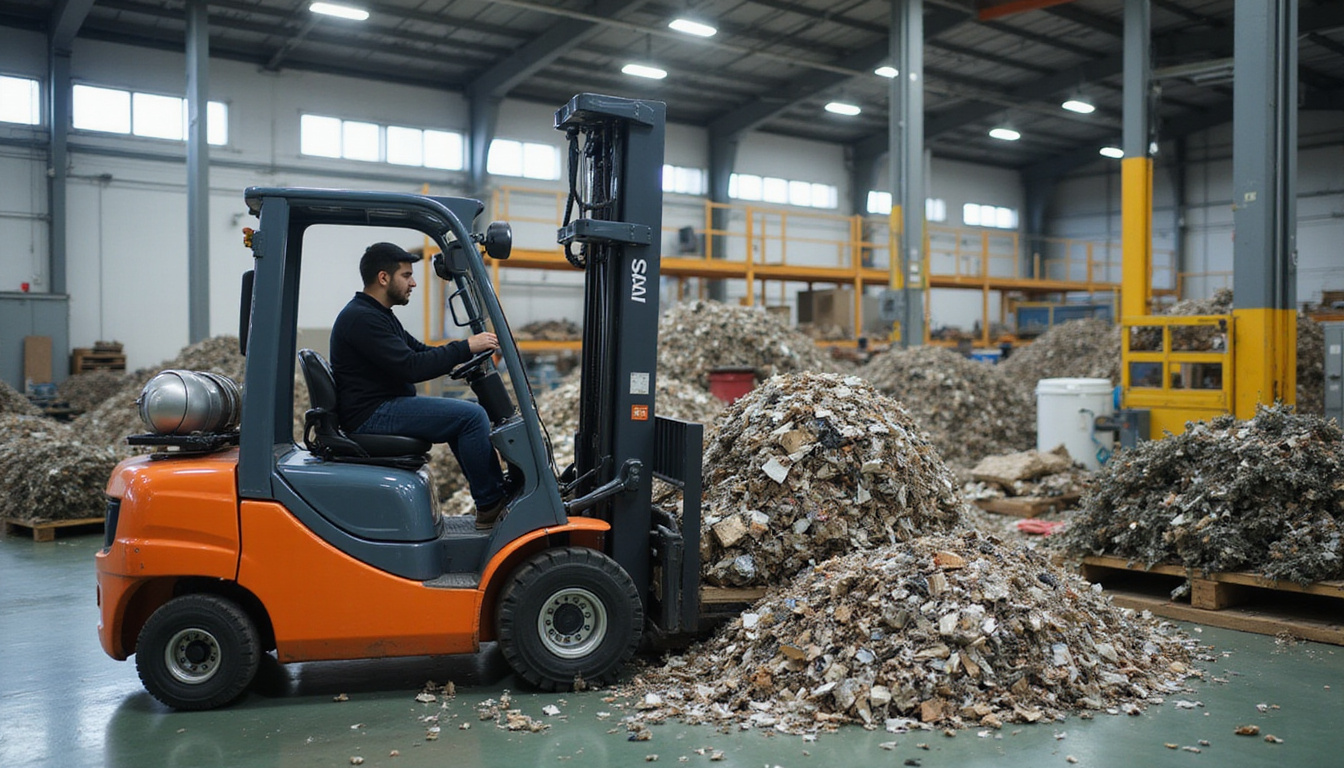
Industrial junk removal can quietly drain huge amounts of time, money, and labor if it isn’t handled strategically. Between scrap piles, obsolete equipment, damaged pallets, and packaging waste, facilities can lose productivity, violate safety rules, and incur higher disposal fees—often without realizing where the losses are happening.
This guide breaks down practical, field-tested hacks to streamline industrial junk removal so you can clean faster, reduce hauling and disposal costs, and keep your plant running smoothly.
Why Industrial Junk Removal Becomes So Costly
Before jumping into hacks, it helps to understand why industrial waste and junk management so often spirals:
- Unplanned removal: Junk is handled only during emergencies or shutdowns, which forces overtime and rush hauling fees.
- Inefficient sorting: Recyclables, scrap metals, general trash, and hazardous materials get mixed, driving up landfill and processing costs.
- Poor material flow: Production cells generate waste in ways that add unnecessary motion and handling.
- Lack of data: Many facilities don’t track volumes, weights, or disposal costs by area or department.
The result: cluttered work areas, hidden safety risks, wasted floor space, and bloated hauling invoices.
The strategies below tackle these issues head-on.
Hack #1: Map Your Junk Streams Like a Production Process
Treat industrial junk removal with the same seriousness as your core operations.
-
Identify all waste and junk sources
Walk the facility and list every area that generates junk:- Production lines and cells
- Maintenance and MRO storage
- Shipping/receiving and staging
- Quality control and rework zones
- Office and admin spaces connected to the plant
-
Classify by material and risk
For each source, categorize what’s being discarded:- Scrap metal (ferrous, non-ferrous)
- Wood (pallets, crates)
- Cardboard and paper
- Plastics and films
- E-waste and obsolete equipment
- General trash
- Hazardous or regulated waste
-
Trace the movement
Document how junk moves:- Who touches it first, second, third?
- How far is it transported internally?
- Where does it queue or pile up?
You’re looking for extra motion and double-handling—classic Lean waste. Every additional touch is time and cost you can eliminate.
Hack #2: Bring Disposal Points to the Work, Not the Other Way Around
One of the most effective industrial junk removal hacks is to shorten the distance between where waste is generated and where it’s sorted and staged.
-
Deploy satellite collection stations near production lines and maintenance areas with:
- Clearly labeled containers for key waste streams
- Color coding and pictogram labels to reduce errors
- Easy access for forklifts, pallet jacks, and carts
-
Standardize container locations
Every line or cell should have the same layout for scrap, recyclables, and trash. This:- Reduces confusion
- Speeds worker training
- Makes auditing easier
-
Use mobility over muscle
Replace static, heavy bins with:- Rolling carts and tilt trucks
- Pallet-sized collection boxes
- Mobile cages for bulky items
When operators can dispose of junk in seconds without long walks or manual lifting, cleanup speeds up and labor injuries drop.
Hack #3: Sort Smart to Cut Disposal and Hauling Fees
Mixed loads cost more. Smart sorting is the backbone of low-cost industrial junk removal.
Prioritize High-Value and High-Impact Streams
Focus on materials where sorting makes the biggest difference:
- Scrap metals: Steel, aluminum, copper, and stainless often have strong resale value. Separate ferrous from non-ferrous.
- Cardboard and paper: Clean corrugated can often be recycled cheaply or sometimes rebated.
- Wood pallets: Many vendors will repair, reuse, or buy used pallets.
- E-waste: Old drives, boards, and electronics may contain recoverable materials but must be handled properly.
Standardize Sort Rules
Create simple rules and communicate them visually:
- One-page sorting guide per area
- Photos of correct vs. incorrect items for each bin
- Clear instructions on dealing with contaminated or questionable materials
The aim is to make correct sorting faster than guessing. That keeps your loads cleaner and disposal rates lower.
Hack #4: Right-Size Your Containers and Pickup Frequency
Many facilities overspend because their container setup doesn’t match their waste profile.
-
Audit your containers: For each type (compactors, open-top dumpsters, totes), determine:
- Fill level at pickup
- Typical weight per haul
- Frequency of service
-
Avoid “air hauling”
If containers are going out half-full, you’re paying to haul air. Options:- Decrease pickup frequency
- Use smaller containers
- Improve compaction at the source (flatten boxes, break down bulky scrap)
-
Avoid overflow chaos
Overflowing containers trigger:- Emergency pickups
- Messy staging areas
- Safety and pest issues
Match container sizing and service schedules to your actual generation rates, and adjust quarterly as production changes.
Hack #5: Tap Into Recycling and Rebate Opportunities
Done right, industrial junk removal can become a small revenue stream or at least a cost offset.
-
Negotiate scrap metal pricing
Don’t just accept the first offer. Get competing bids and understand:- Current market rates by metal type
- Price adjustments for contamination or mixed loads
- Payment terms and pickup minimums
-
Explore cardboard, plastic, and film recycling
Many recyclers offer:- Reduced tipping fees
- Rebates based on volume and purity
- Bale programs and on-site balers
-
Partner with pallet and crate refurbishers
Used wood handling materials can often be:- Repaired and returned
- Sold as used pallets
- Ground for mulch or fuel
The U.S. EPA notes that recycling and beneficial reuse programs can significantly reduce disposal costs and support sustainability goals (source: U.S. EPA Sustainable Materials Management).
Hack #6: Build Junk Removal Into Daily Work, Not Special Projects
Periodic “big cleanups” cost more than steady, structured housekeeping.
Use 5S Principles on Waste
Apply 5S (Sort, Set in Order, Shine, Standardize, Sustain) specifically to junk:
- Sort: Remove obsolete tools, fixtures, and materials from work zones.
- Set in Order: Designate and mark locations for all waste containers.
- Shine: Include junk removal in daily area cleanups.
- Standardize: Same process and expectations across shifts and lines.
- Sustain: Audit and coach regularly.
Set Micro-Cleanup Routines
Examples:
- 5–10 minutes per shift for each operator to clear local junk
- End-of-week “mini-kaizen” where teams remove one small category of waste or clutter
- Maintenance techs disposing of removed parts at point-of-generation before closing a work order
Frequent, small actions prevent massive, costly cleanouts later.
Hack #7: Use Simple Technology to Track and Optimize
You don’t need an enterprise system to improve industrial junk removal. Start small but data-driven.
-
Track by area and material
Capture monthly:- Number of pulls per container type
- Estimated weights (from hauler tickets)
- Any rebates earned
- Overtime or special cleanup labor
-
Spot trends
Look for:- Spikes tied to specific jobs or customers
- Areas consistently producing more junk per unit of output
- Missed rebate opportunities
-
Pilot digital tools where it counts
For higher-volume operations, consider:- QR codes on containers for quick logging
- Simple apps or forms for supervisors to report issues
- Scale integration if you ship a lot of scrap
Data turns “we think” into “we know,” making negotiations with haulers and recyclers far more effective.
Hack #8: Negotiate Smarter With Haulers and Vendors
Once you’ve cleaned up your processes, use that to your advantage with service providers.
-
Bid out your waste and recycling
Present your:- Clean separation practices
- Expected volumes
- Safety and access improvements
Clean, well-managed industrial junk removal is cheaper to service, and vendors may compete on price.
-
Ask for bundled savings—carefully
Combining general waste, recycling, and scrap with one vendor can:- Simplify billing
- Unlock better rates
But always compare to unbundled pricing and avoid long contracts without performance clauses.
-
Include service-level expectations
Examples:- Response time for overflowing containers
- Documentation for weights and materials
- Help with signage and training
When vendors see you’re organized and consistent, you’re a lower-cost customer—and they can pass some of that savings back to you.
Hack #9: Design for Less Junk Upstream
The ultimate way to slash industrial junk removal time and cost is to generate less junk.
-
Collaborate with purchasing
Evaluate:- Supplier packaging (can it be minimized or standardized?)
- Returnable totes or racks instead of one-way packaging
- Bulk deliveries to reduce cardboard and plastic
-
Work with engineering
Improve:- Nesting in cutting operations to reduce scrap
- Standard material sizes and parts to reduce offcuts
- Design choices that limit hazardous waste in processes
-
Engage key suppliers and customers
Some may:- Take back packaging materials
- Provide refurb/return programs for equipment
- Accept reusable shipping materials
Every pound you don’t bring on-site is a pound you don’t pay to handle or haul away.
Hack #10: Train for Safety and Compliance While You Save
Cutting corners on regulations can quickly erase any savings from industrial junk removal.
-
Train employees on:
- What is and isn’t hazardous or regulated
- Proper labeling, storage, and manifesting
- PPE requirements around certain wastes
-
Separate hazardous and non-hazardous from the start
Mixing regulated waste with regular trash:- Raises disposal costs dramatically
- Triggers fines and enforcement actions
-
Coordinate with EHS and compliance teams
Involve them early in any redesign of your waste handling. Safer, compliant processes are usually more efficient long-term.
Quick-Start Checklist for Faster, Cheaper Industrial Junk Removal
Use this list to prioritize your first moves:
- Walk the facility and map all junk and waste sources.
- Install or improve satellite collection stations with clear labels.
- Separate high-value scrap metals, cardboard, and pallets.
- Right-size containers and adjust pickup frequencies based on actual usage.
- Negotiate or rebid scrap and recycling contracts using your data.
- Build daily micro-cleanups and 5S into standard work.
- Track volumes, costs, and rebates by area and material.
- Partner with purchasing, engineering, and EHS to cut junk at the source.
Tackling even a few of these can yield fast wins in labor savings, floor space, and hauling costs.
FAQ: Industrial Junk Removal Common Questions
1. How can I reduce industrial waste removal costs without disrupting production?
Start by improving on-site sorting and container optimization. Cleanly separated metals, cardboard, and wood are cheaper to remove—and sometimes generate revenue. Then adjust container sizes and pickup schedules to match actual volumes so you’re not paying for half-full hauls or emergency overflows.
2. What’s the best way to manage industrial scrap removal in a high-mix facility?
Use standardized, color-coded collection systems at each work cell with the same rules across all product types. Focus first on high-value scrap streams (like certain metals) and build daily micro-cleanups into operator routines so junk doesn’t pile up between changeovers.
3. How do I choose an industrial junk hauling partner?
Compare multiple haulers on more than price: look at their recycling capabilities, documentation quality, response times, and ability to support training and signage. Share your sorting practices and volume data to negotiate better rates, and review contracts annually as your operations evolve.
Streamlining industrial junk removal isn’t just a cleanup project—it’s a continuous improvement opportunity that touches safety, productivity, and the bottom line. If you’re ready to cut hours of wasted labor, reclaim valuable floor space, and lower your monthly disposal bills, start by mapping your current junk flows and piloting two or three of these hacks in one area of your facility.
From there, scale what works. And if you’d like outside support—whether that’s a waste audit, vendor negotiation help, or a full redesign of your plant’s junk handling—reach out to an industrial waste management specialist who can tailor these strategies to your exact operation. The sooner you optimize, the faster you’ll see those cleanup times and costs drop.
Junk Guys San Diego
Phone: 619-597-2299
Website: www.junkguyssd.com
Email: junkguyssd619@gmail.com