
Furniture recycling isn’t just an eco-friendly buzzword—it’s a practical way to clear space, earn extra money, and even support your community. Whether you’re moving, downsizing, or simply updating your home’s style, smart furniture recycling strategies can help you keep items out of landfills while squeezing maximum value from what you already own.
Below, you’ll learn how to decide what to sell, where to donate for impact (and tax perks), and how to upcycle pieces so they’re worth more than when you started.
Why Furniture Recycling Matters (for Your Wallet and the Planet)
Every year, millions of tons of furniture end up in landfills, much of it still usable or easily repairable. According to the U.S. Environmental Protection Agency, furniture and furnishings are a significant component of municipal solid waste streams (source).
Effective furniture recycling offers several benefits:
- Financial – Sell or upcycle pieces to generate extra cash.
- Environmental – Reduce waste, conserve resources, and cut carbon associated with new production.
- Social – Help families in need when you donate durable items.
- Personal – Clear clutter and create a home that matches your current lifestyle.
Thinking of furniture recycling not as a chore but as a mini business project can help you approach it strategically.
Step 1: Audit Your Furniture and Decide What to Do With Each Piece
Before you sell, donate, or upcycle, you need a clear picture of what you have. Walk through your home with a notebook (or notes app) and list all items you’re considering parting with: sofas, tables, dressers, bookshelves, bed frames, desks, dining sets, chairs, and more.
For each piece, ask:
- Condition – Is it structurally sound? Minor cosmetic issues are fine, severe damage is not.
- Marketability – Would someone else realistically want this? Is it on-trend (mid-century, farmhouse, minimal, etc.)?
- Sentimental value – Are you truly ready to let it go, or would a creative upcycle make you love it again?
- Logistics – How large or heavy is it? Will buyers need easy access or delivery options?
Then categorize each item as:
- Sell – Good condition, desirable brand or style, or high-quality materials (solid wood, metal frames, leather).
- Donate – Sturdy and usable but not likely to bring in much money or too bulky to sell quickly.
- Upcycle – Solid bones but dated or worn; good candidate for a makeover or repurpose.
- Recycle/Dispose – Broken beyond repair, severe water/mold damage, infestation, or fails safety standards.
This triage step makes your overall furniture recycling plan clearer and more efficient.
How to Sell Furniture for Maximum Profit
Selling is the most direct way to turn furniture recycling into income. To get the best price, treat each piece like a product launch.
Clean, Repair, and Stage
- Deep clean: Vacuum, dust, polish wood, spot-clean fabric, and deodorize upholstery.
- Minor repairs: Tighten screws, re-glue loose joints, replace missing knobs or hardware, touch up scratches.
- Stage well: Photograph in natural light, against a neutral background, with clutter removed. Show the item from multiple angles.
A few inexpensive improvements (like new handles or a quick paint touch-up) can dramatically raise perceived value.
Price Smartly
Research similar listings on local marketplaces to get a realistic range. Consider:
- Brand and original retail price
- Age and condition
- Style popularity (e.g., mid-century modern, Scandinavian, boho)
- Demand in your area
As a general rule, start around 30–50% of the original price for items in very good condition, slightly more for premium brands or designer pieces, and less for generic or heavily worn furniture.
Choose the Right Platform
Different platforms suit different pieces. For profitable furniture recycling, match the item to the marketplace:
- Local listing apps/sites: Facebook Marketplace, Craigslist, OfferUp, Nextdoor – ideal for bulky furniture, quick sales, and avoiding shipping.
- Resale platforms for higher-end items: Chairish, AptDeco, Kaiyo – good for designer or vintage pieces (many offer pickup/shipping for a fee).
- Auction and niche sites: eBay or specialty vintage sites for unique, collectible furniture.
Consider listing on more than one platform for wider exposure, but keep track so you don’t double-sell.
Write Listings That Attract Buyers
Include:
- Clear, descriptive title: “Solid Oak Dining Table with 6 Chairs – Farmhouse Style”
- Accurate measurements
- Brand (if known) and materials
- Honest condition notes (scratches, fading, etc.)
- Reason for selling (moving, redecorating, etc.)
- Pickup location and whether you can help load
Be responsive to messages and prepared to negotiate. Decide your lowest acceptable price upfront and stick to it calmly.
Donating Furniture: Do Good and Possibly Save on Taxes
Sometimes, the best form of furniture recycling is donation—especially for items that are useful but not lucrative to sell.
Where to Donate Furniture
Look for:
- National charities – Goodwill, Salvation Army, Habitat for Humanity ReStores, and similar organizations often accept furniture and may offer pickup.
- Local nonprofits – Homeless shelters, domestic violence shelters, refugee resettlement agencies, and community thrift stores.
- Religious institutions – Churches, mosques, synagogues, and temples may know families in need.
- Reuse centers – Some cities have centers that accept furniture for reuse or low-cost resale.
Always check donation guidelines in advance; some charities won’t accept items with rips, stains, or pet damage, or might not take mattresses, cribs, or large office furniture.
Preparing Furniture for Donation
- Clean surfaces and vacuum upholstery.
- Remove personal items from drawers and shelves.
- Disassemble, if required, and bag any hardware.
- Label matching items (e.g., “table + 4 chairs”).
Ask for a receipt for tax purposes. In some countries, you can deduct the fair market value of donated furniture if you itemize your deductions; consult a tax professional for details in your jurisdiction.
When Donation Makes More Sense Than Selling
Donate when:
- You need items gone quickly (impending move).
- The expected sale price is low compared to the time and effort required.
- The furniture style is outdated but still sturdy.
- You value the social impact more than the cash return.
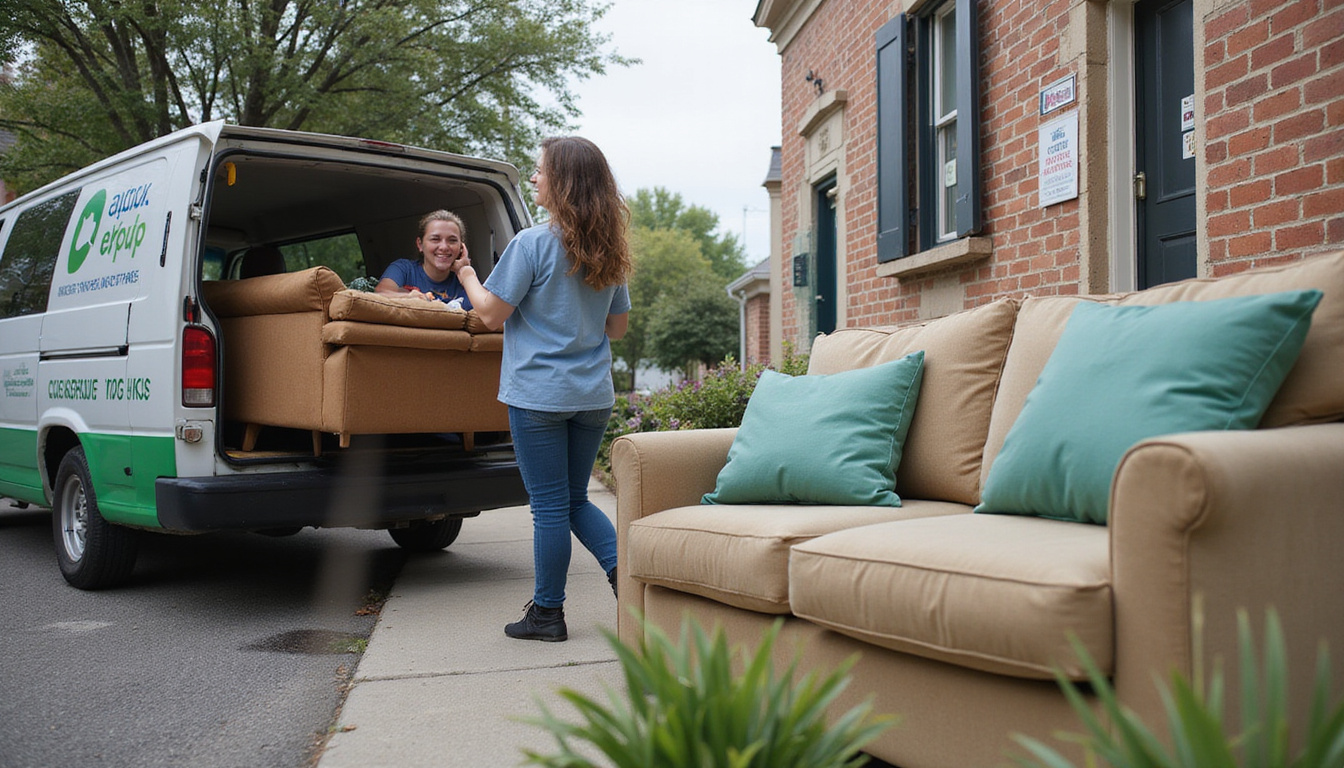
Furniture recycling through donation keeps items in use and supports community programs that rely on thrift store revenue.
Upcycling Furniture: Turn “Meh” Into Money
Upcycling is where furniture recycling becomes creative—and potentially more profitable. By improving or transforming a piece, you can justify a higher resale price or end up with a “new” favorite for your home.
Choose the Right Pieces to Upcycle
Good candidates are:
- Solid wood items: dressers, sideboards, tables, chairs.
- Simple lines and sturdy frames.
- Outdated finishes but sound structure.
- Unique shapes or features that can be highlighted.
Avoid items with serious structural damage, heavy water damage, or flimsy construction unless you’re very experienced.
Popular Upcycling Techniques That Sell
-
Painting and refinishing
- Sand and refinish a tired wooden table to a natural or stained finish.
- Use high-quality chalk or mineral paint for a matte, trendy look on dressers and side tables.
-
Hardware upgrades
- Swap old knobs and pulls for modern or vintage-inspired hardware.
- Use matching metal tones (black, brass, brushed nickel) to create cohesion.
-
Reupholstery and slipcovers
- Reupholster dining chairs with fresh fabric.
- Add a fitted slipcover to a dated but comfortable sofa.
-
Repurposing
- Turn an old door into a headboard or dining table.
- Convert a dresser into a bathroom vanity (if you’re handy with plumbing).
- Make a bench from a bed frame or crib (for sentimental pieces).
-
Hybrid pieces
- Add hairpin legs to a reclaimed wood top for an industrial coffee table.
- Combine mismatched chairs with a cohesive paint color for an eclectic dining set.
When selling upcycled pieces, emphasize the craftsmanship, materials, and uniqueness in your listing descriptions and photos.
A Simple Furniture Recycling Action Plan
To keep yourself organized, follow this straightforward process:
- Inventory and categorize: List items and tag them as sell, donate, upcycle, or recycle.
- Set goals: Decide if your priority is fast clearance, maximum profit, or a balance of both.
- Schedule tasks:
- Cleaning and minor repairs
- Photo sessions for sale listings
- Drop-off or pickup dates for donations
- Time blocks for upcycling projects
- List items to sell: Use at least one local platform, write strong descriptions, and upload good photos.
- Arrange donations: Contact charities, confirm what they accept, and schedule pickups or drop-offs.
- Start with one upcycle project: Don’t try to transform everything at once; choose the most promising piece.
- Reassess after 2–3 weeks: Reduce prices for slow-moving items or shift them from “sell” to “donate.”
Treating furniture recycling as a structured mini-project helps you avoid burnout and pileups of “to be dealt with later” pieces.
Common Mistakes to Avoid in Furniture Recycling
- Overpricing: Emotional attachment can lead to unrealistic prices; base prices on market data, not memories.
- Underestimating time: Upcycling projects often take longer than expected—start small.
- Ignoring safety: Avoid selling or donating cribs, bunk beds, or other safety-critical furniture without checking current standards and recalls.
- Forgetting access issues: Measure doorways, hallways, and elevators; buyers will ask.
- Skipping disclosure: Be honest about defects; transparency builds trust and avoids disputes.
By planning ahead and staying realistic, you can make furniture recycling both profitable and stress-free.
FAQ: Furniture Recycling and Reuse
Q1: What is the most profitable way to do furniture recycling?
The most profitable approach usually combines selling and selective upcycling. Sell higher-value pieces as-is after cleaning and small repairs. For solid-wood or unique items, an upcycle—like refinishing or repainting—can significantly increase their resale value. Lower-value or bulky items that are tough to move are often better donated.
Q2: Where can I take old furniture for recycling or reuse if it won’t sell?
If selling isn’t working, try donating to charities, Habitat ReStores, or local thrift shops that support community programs. Some areas also have municipal furniture recycling or bulky waste programs where items are broken down for material recovery. Search for “furniture reuse center” or “furniture recycling near me” to find local options.
Q3: Is upcycling furniture really worth it for beginners?
Yes, if you start with simple projects and choose the right pieces. For beginners, focus on easy wins like repainting a small dresser, adding new hardware, or reupholstering dining chair seats. These projects can meaningfully increase resale value and are a low-risk way to learn the basics of furniture recycling and upcycling.
Turn Today’s Clutter Into Tomorrow’s Cash (and Impact)
Your home likely holds hidden value in the form of underused chairs, tables, and storage pieces. By approaching furniture recycling with a plan—deciding what to sell, what to donate, and what to upcycle—you can declutter your space, make extra income, support local charities, and reduce waste.
Take a walk through your home today, list the furniture you rarely use, and choose at least one piece to act on this week. Whether you photograph it for sale, schedule a donation pickup, or start an upcycling project, that single step can kickstart a more sustainable, profitable relationship with the furniture you own.
Junk Guys San Diego
Phone: 619-597-2299
Website: www.junkguyssd.com
Email: junkguyssd619@gmail.com