Curbside Recycling Mistakes That Are Silently Ruining Your Trash Pickup
If your curbside recycling bin is always full but your efforts never seem to make a difference, you’re not alone. Many households are making common curbside recycling mistakes that quietly contaminate entire truckloads of material, cause missed pickups, and even increase local waste management costs. The good news: with a few simple adjustments, you can make your curbside recycling both easier and far more effective.
Below, we’ll break down the most common errors, how they affect your trash and recycling service, and what to do instead.
Why Curbside Recycling Mistakes Matter More Than You Think
Most recycling programs are “single-stream,” meaning all recyclables—paper, cardboard, metal, and certain plastics—go into one bin. This convenience is also the system’s biggest weakness: when the wrong items land in your curbside recycling, they can:
- Contaminate entire batches, sending them to landfill instead of being recycled
- Damage sorting equipment at recycling facilities
- Put workers at risk (sharp or hazardous items)
- Lead to rejected or delayed pickups from your hauler
In many cities, contamination rates in curbside recycling loads exceed 20–25% (source: U.S. EPA). That means a significant portion of what people carefully put out to be recycled is getting trashed because of a few common, preventable mistakes.
Mistake #1: “Wishcycling” – Tossing In Things You Hope Are Recyclable
Wishcycling is the practice of putting questionable items into curbside recycling because they might be recyclable. This is one of the top reasons loads get rejected.
Common wishcycled items include:
- Plastic bags and film
- Disposable coffee cups
- Styrofoam (EPS foam) packaging
- Tanglers like hoses, cords, and strings of lights
- Black plastic containers
- Plastic cutlery
Why It’s a Problem
Sorting machines are calibrated for specific shapes and materials. Items like plastic bags and cords wrap around moving parts, causing downtime and costly repairs. Coffee cups are often lined with plastic, making them difficult to process. Black plastic isn’t properly recognized by optical sorters.
What to do instead: If you’re not sure, check your city’s recycling guide or the hauler’s website. When in doubt, it’s usually better to throw it out than to contaminate your curbside recycling stream.
Mistake #2: Bagging Recyclables in Plastic Trash Bags
Many people carefully collect recyclables in a garbage bag and toss the tied bag into the curbside recycling bin. Unfortunately, this is one of the most damaging mistakes.
Why Bagged Recycling Gets Thrown Away
At many material recovery facilities (MRFs), workers cannot open every plastic bag they see; it’s too time-consuming and unsafe. Bagged materials often go straight to landfill because:
- The sorting line can’t identify what’s inside
- The bags tangle in machinery if they’re not removed
- They may contain non-recyclable or hazardous items
Correct habit: Put recyclables loose in your cart or bin. If you need to collect them inside, use a reusable bin, paper bag (only where accepted), or empty them out at the bin and reuse the liner.
Mistake #3: Leaving Food and Liquids on Containers
Curbside recycling doesn’t need items to be spotless, but food- and liquid-covered containers are a major contamination source.
The Real Standard: “Empty, Clean, and Dry”
- Empty: No leftover liquids or chunks of food
- Clean: A quick rinse to remove most residue
- Dry: Moisture can ruin paper and cardboard in the same load
Pizza boxes with large grease stains, yogurt cups full of residue, or half-full soda bottles can all cause problems. Wet paper and cardboard lose strength and quality, making them poor recycling material.
Fix: Rinse containers briefly and let them drain. For pizza boxes, recycle the clean top, and compost or trash the greasy bottom if your program doesn’t accept soiled cardboard.
Mistake #4: Including Non-Recyclable Plastics in the Bin
Not all plastics are created equal. Those little numbers inside the recycling triangle don’t automatically mean a plastic is accepted in curbside recycling.
Common Plastics That Usually Are Accepted
In many programs (always verify locally):
- #1 PET/PETE bottles and jugs (water, soda, some salad dressings)
- #2 HDPE bottles and jugs (milk, detergent, some cleaning products)
Common Plastics That Often Are Not Accepted
- #3 PVC (some pipes, certain packaging)
- #4 LDPE films and bags (unless taken to a film drop-off)
- #6 PS (Styrofoam cups, clamshells, packing peanuts)
- #7 mixed plastics and many black or opaque items
Even when a plastic can technically be recycled, local markets and equipment may not exist to process it. Many programs now emphasize “bottles, jugs, and tubs” only.
Action step: Focus on the shapes and items your program explicitly lists, not just the resin numbers.
Mistake #5: Tossing Hazardous or Special Waste Into Recycling
Some items clearly don’t belong in trash—but that doesn’t make them right for curbside recycling either.
Problem Items That Never Go in Curbside Recycling
- Batteries (household, lithium, or car batteries)
- Electronics and small appliances
- Propane tanks, fuel canisters, or gas containers
- Needles, sharps, or medical waste
- Household chemicals (paint, solvents, pesticides, motor oil)
These can cause fires in trucks and facilities, leak hazardous materials, or injure staff. Many communities have special collection days or drop-off sites for these items.
Where they go: Check for local household hazardous waste facilities, electronics recycling events, or battery collection points at retailers.
Mistake #6: Ignoring Local Recycling Rules and Changes
Curbside recycling rules are not universal. They vary widely by:
- City or county
- Hauler or contractor
- Available processing facilities and end markets
What was acceptable five years ago may not be accepted today.
How This Hurts Your Pickup
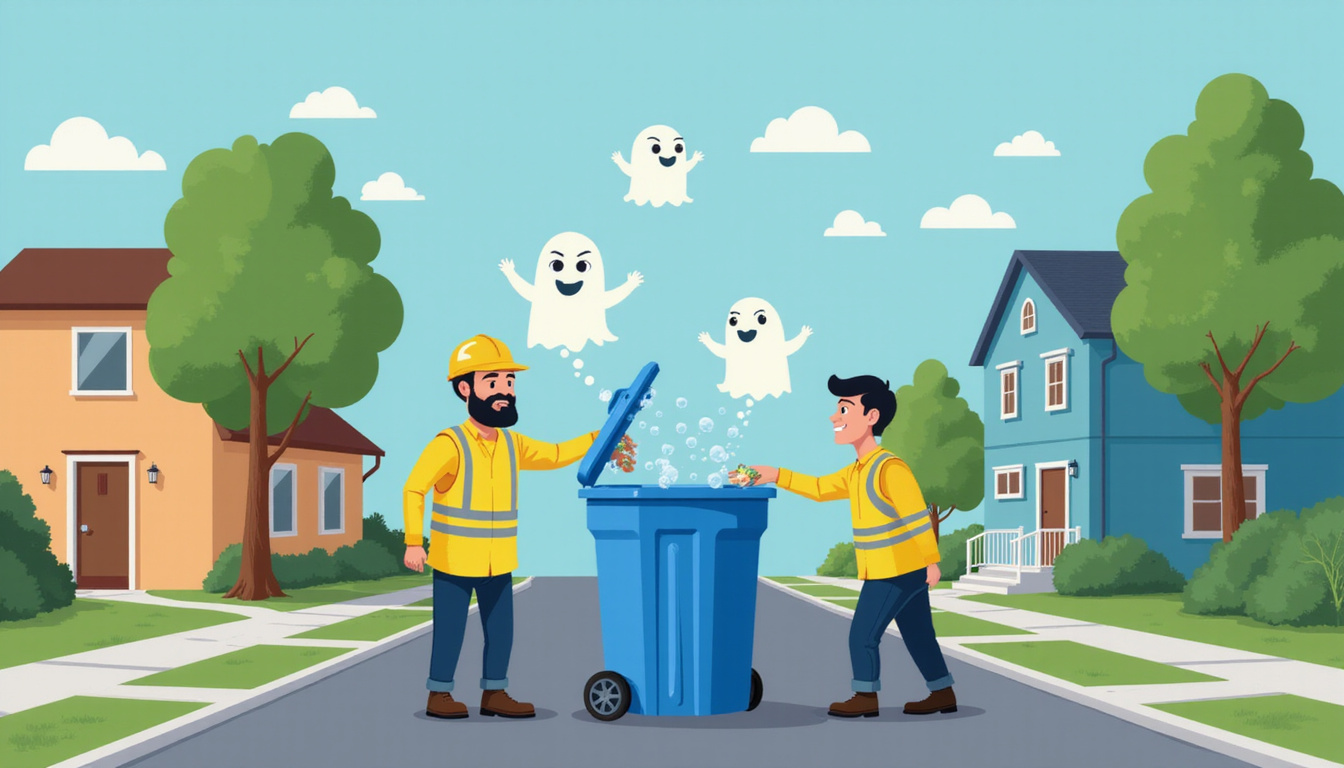
If contamination from your street or neighborhood is consistently high, haulers may:
- Leave notes or tags and skip collecting contaminated bins
- Penalize multi-family buildings or HOAs
- Increase collection fees over time
Smart move: Bookmark your hauler’s or city’s recycling page and check it annually—or any time you see a program mailer or cart tag—so you stay up to date.
Mistake #7: Overfilling or Incorrectly Placing Bins at the Curb
Sometimes the issue isn’t what’s inside your curbside recycling cart, but how it’s set out.
Common Set-Out Errors
- Overfilling so the lid can’t close
- Placing the bin too close to cars, mailboxes, or other bins
- Facing the cart the wrong direction (handle vs. street)
- Putting extra loose items on top or beside the bin
Truck arms and automated systems need clear access. Overflowing carts can spill material into the street or lead drivers to skip your pickup.
Best practice:
- Keep lids closed—request a larger or second cart if needed
- Leave enough space (often 2–3 feet) around carts
- Face the cart as indicated by labels or arrows
Mistake #8: Mixing Yard Waste With Curbside Recycling
Leaves, grass clippings, soil, and branches frequently show up in recycling bins, especially during yardwork season. While organic, they’re not recyclable through standard curbside recycling streams.
Why Yard Waste Is a Problem in Recycling
- Adds weight and moisture, ruining paper and cardboard
- Introduces dirt and debris that lower material quality
- Can jam equipment and complicate sorting
Many communities have separate compost or yard waste collection. When available, use that system for branches, leaves, and grass, and keep curbside recycling focused on packaging and containers.
Mistake #9: Forgetting About “Tanglers”
“Tanglers” are long, stringy items that wrap around recycling facility equipment and cause shutdowns.
Typical Tanglers to Keep Out of Curbside Recycling
- Garden hoses
- Electrical cords, holiday lights, and extension cords
- Rope, twine, and strapping
- Clothing and textiles
Workers must cut these items out by hand, slowing operations and posing safety risks.
Alternative options:
- Donate textiles and usable cords/lights where possible
- Use special collection or drop-off events for electronics and cords
- Dispose of damaged hoses and ropes in the trash if no other option exists
Mistake #10: Not Flattening Boxes or Prepping Materials Properly
How you prepare materials for curbside recycling affects how well they’re processed.
Common Preparation Gaps
- Unflattened cardboard boxes: Take up excessive space in the truck and at the facility
- Nested materials: A plastic bottle stuck in a cardboard box or a can inside a cereal box may not be sorted correctly
- Labels and caps confusion: Some programs ask you to leave caps on; others want them off
Simple prep checklist:
- Flatten cardboard boxes and break down large ones
- Keep different material types separated (no nesting)
- Follow local instructions on caps and labels
- Remove plastic wrap or film from boxes and containers
These steps help sorting equipment and workers identify and separate each material more accurately.
Quick Reference: What Usually Can and Cannot Go in Curbside Recycling
Always verify locally, but as a rough guide:
Often Accepted:
- Clean, dry paper and cardboard
- Metal cans (aluminum, steel, tin)
- Plastic bottles, jugs, and some tubs (where specified)
- Glass bottles and jars (if your program accepts glass)
Commonly Not Accepted in Curbside Recycling:
- Plastic bags and film
- Styrofoam (EPS) products
- Household hazardous waste and batteries
- Electronics and appliances
- Yard waste and food scraps (unless in a specific organics collection)
- Diapers, clothing, and textiles
FAQ: Common Questions About Curbside Recycling and Trash Pickup
Q1: Why does my curbside recycling sometimes get left behind?
Drivers may skip collection if they see obvious contamination (plastic bags, hazardous items, overflowing carts) or if bins are blocked by vehicles or obstacles. Check for stickers, tags, or notices on your cart that explain the issue, then adjust what and how you set out for the next pickup.
Q2: Are pizza boxes and food containers okay in residential curbside recycling?
It depends on the condition and your local program. Lightly stained pizza boxes are often fine, but heavily greasy or food-covered sections should go in the trash or compost if available. Rinse food containers so they’re empty, clean, and dry before placing them in your curbside recycling bin.
Q3: Can plastic bags ever be included in my curbside recycling bin?
In most programs, plastic bags and film should never go in curbside recycling because they jam machinery. Instead, look for store drop-off locations or specialized film recycling programs. If no such option exists where you live, plastic bags may unfortunately need to go in the trash.
Make Your Curbside Recycling Count: Take Action Today
Your curbside recycling has the power to reduce waste, conserve resources, and support local recycling markets—but only if it’s done right. A few simple changes, like keeping materials loose, clean, and dry, avoiding wishcycling, and following your local guidelines, can turn your bin from a contamination source into a genuine environmental asset.
Take five minutes today to look up your city or hauler’s current curbside recycling rules, post them near your bin, and share them with the people in your household. By fixing these silent mistakes now, you’ll prevent rejected loads, protect workers and equipment, and ensure that what you set at the curb actually gets recycled.
Junk Guys San Diego
Phone: 619-597-2299
Website: www.junkguyssd.com
Email: junkguyssd619@gmail.com