
Bulky waste recycling is no longer just a “nice to have” for eco-conscious households—it’s a smart, money-saving strategy for anyone dealing with oversized items like furniture, mattresses, and appliances. Whether you’re decluttering, renovating, or moving, learning how to handle bulky waste efficiently can help you cut disposal costs, free up living space, and reduce your environmental footprint.
Below is a practical guide to understanding, planning, and optimizing your bulky waste recycling efforts at home or in a small business.
What Counts as Bulky Waste?
Before you can optimize bulky waste recycling, it helps to know what actually qualifies as bulky waste. While definitions vary by city or country, bulky waste generally includes items that:
- Are too large or heavy for standard trash bins
- Require special collection or drop-off
- May contain recyclable materials or hazardous components
Common examples include:
- Sofas, chairs, and tables
- Wardrobes, cabinets, and shelving units
- Mattresses and bed frames
- Large carpets and rugs
- Kitchen appliances (fridges, stoves, dishwashers)
- Washers, dryers, and air conditioners
- TVs, monitors, and other large electronics
Many of these items are partially or fully recyclable, which is where smart bulky waste recycling strategies come into play.
Why Bulky Waste Recycling Saves You Money
Throwing everything into a dumpster or paying for a one-size-fits-all junk removal service is often the most expensive option. You may be paying to landfill items that could have been:
- Reused (saving someone else money on buying new)
- Recycled (lowering municipal waste fees and environmental costs)
- Sold (putting cash back in your pocket)
Recycling bulky items strategically can help you:
-
Avoid landfill or “mixed waste” surcharges
Many municipalities and private haulers charge extra for mixed bulky loads. Separating recyclables—like metal, wood, and electronics—can reduce tonnage fees. -
Reduce frequency and size of pickups
If you can dismantle and compact items, you need fewer bulky waste collections, which lowers per-visit charges. -
Earn from resale or scrap value
- Metal from bed frames, appliances, and even some furniture can fetch scrap value.
- High-quality furniture and lightly used items can be sold via online marketplaces.
-
Benefit from free or subsidized programs
Some cities offer free bulky waste recycling events, curbside pickups, or drop-off points for specific categories like e-waste and white goods (source: U.S. EPA).
Space Savings: Why Clutter Is Costing You
Bulky items occupy valuable space—sometimes more valuable than the items themselves.
- At home: A cluttered garage can prevent you from parking your car indoors, indirectly costing you in wear, theft risk, and weather exposure.
- In storage units: Paying monthly fees to store outdated or broken bulky items erodes your budget over time.
- In business premises: Bulky waste in back rooms or storage areas reduces operational efficiency and can violate fire or safety codes.
Effective bulky waste recycling allows you to:
- Reclaim storage zones and living areas
- Avoid renting larger storage units
- Simplify cleaning and maintenance
- Prepare more easily for moves, renovations, or tenant turnover
When you think of your floor space as “cost per square foot,” it becomes obvious that holding onto bulky, unusable items is an ongoing expense.
Step-by-Step Strategy for Bulky Waste Recycling
To get the most savings in both money and space, follow a simple but structured approach.
1. Audit What You Have
Walk through your home, garage, yard, or workspace and list all items that qualify as bulky waste. Group them into:
- Still usable (can be sold or donated)
- Repairable (cost-effective to fix)
- Beyond repair (broken, hazardous, or outdated)
This quick audit prevents you from paying to discard things that could generate value.
2. Research Local Rules and Programs
Bulky waste recycling is heavily influenced by local regulations and services. Check:
- Municipal websites for:
- Bulky waste collection days
- Accepted materials and size limits
- Fees or free collection quotas
- Local recycling centers:
- Whether they accept wood, metal, mattresses, or carpets
- E-waste and appliance drop-off policies
- Retailer take-back programs:
- Many mattress, furniture, and appliance retailers offer haul-away or recycling when you purchase a new item.
Understanding these rules helps you avoid fines and take advantage of free services.
3. Prioritize Reuse and Resale First
Before recycling or disposal, attempt to keep items in use:
- Sell:
- Online platforms (e.g., Facebook Marketplace, Gumtree, Craigslist, Vinted for some items)
- Local second-hand or consignment stores
- Donate:
- Charities that accept furniture and appliances
- Non-profits specializing in housing, refugees, or low-income families
- Schools, community centers, theater groups (for props and furnishings)
Even if you earn only a small amount, every bit offsets disposal costs and helps others.
4. Disassemble and Sort for Maximum Efficiency
Dismantling bulky items usually produces smaller waste streams that are easier and cheaper to handle.
For example:
- Furniture:
- Remove fabric and cushioning from frames.
- Separate wooden parts from metal components.
- Appliances:
- Remove detachable plastic parts.
- Recycle metal bodies separately at a scrap yard or recycling facility.
- Beds and mattresses:
- Some specialized recyclers separate foam, fabric, metal springs, and wood for reuse.
Sorting materials makes your load more acceptable at recycling centers and can lower your fees.
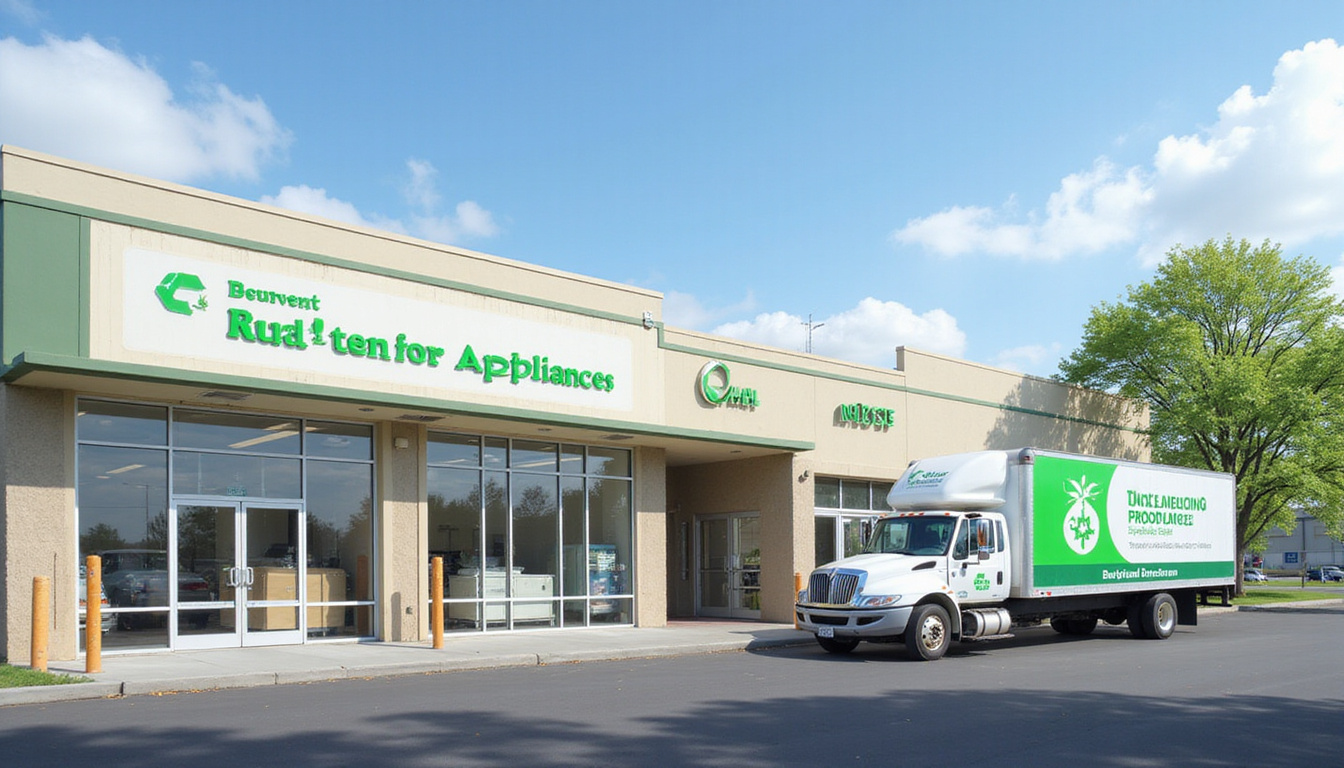
5. Choose the Right Collection or Drop-Off Option
Consider these common options and their cost implications:
- Municipal bulky waste pickup:
- Often free or low-cost, but with strict scheduling and item limits.
- Private junk removal services:
- Convenient but can be expensive if you don’t pre-sort or compact items.
- Self-haul to recycling centers or transfer stations:
- Cost-effective if you have a suitable vehicle and can separate materials.
- Retailer haul-away:
- Sometimes included with delivery of replacement items (e.g., new mattress or appliance).
Compare prices and time commitments. For large projects (like moving out of a house), a mix of self-hauling, donations, and a minimal junk removal service can be the most economical.
Room-by-Room Bulky Waste Recycling Tips
Living Room and Bedrooms
- Sofas and armchairs:
- If frames are sturdy, reupholstering may be cheaper than buying new.
- Broken frames can be dismantled: recycle wood and metal, trash contaminated fabric.
- Mattresses:
- Look for specialized mattress recyclers—many regions now ban landfilling mattresses due to space and environmental issues.
- Wardrobes and cabinets:
- Unassemble flat-pack furniture to save space and allow material sorting.
Kitchen and Laundry
- Refrigerators and freezers:
- Must be handled by certified recyclers because of refrigerants and insulation materials.
- Often eligible for energy company or manufacturer take-back programs.
- Stoves, ovens, washers, dryers, dishwashers:
- Heavy in steel and other metals—scrap yards may accept them.
- Remove any loose plastics or glass components separately.
Office and Electronics
- Large TVs and monitors:
- Treat as e-waste; many electronics stores and municipalities offer free or low-cost collection.
- Old printers, copiers, and servers:
- May contain valuable metals; some recyclers pay for certain components.
Smart Money-Saving Tactics for Bulky Waste
To maximize savings from bulky waste recycling, integrate these tactics into your plan:
- Bundle your disposal:
Schedule a single, well-planned bulky waste day instead of many small trips or pickups. - Share services with neighbors:
Split the cost of a private collection or dumpster across multiple households. - Leverage “free pickup” offers:
Arrange your purchase of new items (e.g., refrigerator, sofa) to coincide with haul-away deals for old ones. - Track your costs vs. avoided purchases:
When resale, donation tax deductions, and free services are factored in, your net cost of bulky waste handling often falls significantly.
Environmental Benefits: Beyond Cost and Space
While saving money and space is the focus, bulky waste recycling also reduces:
- Landfill volume:
Oversized items occupy disproportionate space in landfills. - Resource extraction:
Recycled metals, plastics, and wood reduce demand for new raw materials. - Greenhouse gas emissions:
Manufacturing and transporting new items has a carbon footprint; extending the life or recycling old ones lessens that.
In many regions, regulations are tightening to push more bulky items into recycling streams. Getting ahead of these changes now will make compliance easier for households and businesses.
Simple Bulky Waste Recycling Checklist
Use this checklist to streamline your next declutter or move:
- Identify all bulky items and categorize: keep, sell/donate, recycle, dispose.
- Check local rules for what’s accepted, fees, and scheduling.
- Sell or donate anything usable before planning disposal.
- Disassemble items to separate reusable/recyclable materials.
- Sort into metal, wood, e-waste, textiles, and mixed waste.
- Book services (municipal pickup, retailer haul-away, or junk removal) only for what remains.
- Document savings—track resale income, avoided storage costs, and reduced fees.
FAQ: Bulky Waste Recycling and Disposal
1. How does bulky waste collection and recycling work in most cities?
Many cities offer scheduled bulky waste collection days where residents can place large items at the curb within specific size and quantity limits. Acceptable items often include furniture, mattresses, and appliances, while hazardous or electronic items may require separate programs. Check your local waste authority’s website for details on bulky waste recycling options, fees, and booking procedures.
2. What are the best options for furniture and bulky item recycling?
The best options depend on the condition of your items:
- Good condition: Sell or donate to charities, second-hand shops, or online platforms.
- Fair but worn: Offer for free to locals or see if refurbishing shops will take them.
- Broken: Disassemble and separate wood, metal, and fabric; deliver sorted materials to recycling centers or use municipal bulky waste services.
Where available, specialized bulky item recycling facilities can process entire pieces, reclaiming wood, metals, and textiles.
3. How can I dispose of old appliances and electronics responsibly?
For large appliances and electronics, look specifically for e-waste and appliance recycling programs:
- Many retailers take back old appliances upon delivery of new ones.
- Municipal recycling centers often have designated e-waste drop-off points.
- Some energy providers and manufacturers run rebate or free pickup schemes for old, inefficient units.
Avoid placing these items in general trash or mixed bulky waste; they can contain hazardous substances and valuable recyclable materials.
Turn Bulky Waste into an Opportunity
Bulky waste recycling is far more than a chore—it’s an opportunity to reclaim your space, reduce recurring costs, and contribute to a more sustainable community. By planning ahead, leveraging local programs, prioritizing reuse and resale, and separating materials smartly, you can transform an overwhelming pile of junk into a manageable, even profitable, project.
If you’re preparing for a major declutter, move, or renovation, start by listing your bulky items today and mapping out how you’ll reuse, resell, and recycle them. Then, reach out to your local waste authority or recycling centers to learn exactly which cost-saving options are available in your area—and take control of your bulky waste before it takes over your space and your budget.
Junk Guys San Diego
Phone: 619-597-2299
Website: www.junkguyssd.com
Email: junkguyssd619@gmail.com