
If you’ve got an old fridge in the garage, a dead washing machine in the basement, or a tangle of small electronics in a closet, you’re sitting on money. With a smart appliance scrapping strategy, those “junk” items can become fast cash, whether you’re decluttering your home or starting a side hustle.
This guide walks you step by step through how to safely, legally, and profitably scrap appliances, what they’re worth, and how to get paid quickly.
What Is Appliance Scrapping?
Appliance scrapping is the process of taking old or broken appliances and converting them into cash by:
- Selling them whole to scrap yards
- Dismantling them for valuable metals (like copper and aluminum)
- Flipping repairable units to secondhand buyers
- Selling working parts to DIYers and repair shops
Most major appliances contain steel, copper, aluminum, and sometimes brass or insulated wire — all of which are in constant demand at metal recycling facilities (source: U.S. EPA). The more you learn to identify and separate these materials, the more money you can make.
Step 1: Identify Appliances Worth Scrapping
Not all appliances pay equally. Some are quick “haul and cash” items, while others reward careful dismantling.
High-Value Large Appliances
These are the best targets to start with:
-
Refrigerators & freezers
Heavy, mostly steel, with copper coils, a compressor, and wiring. Needs special handling because of refrigerant. -
Air conditioners & dehumidifiers
Excellent copper and aluminum content but also contain refrigerant that must be removed professionally. -
Washing machines & dryers
Easy to find, heavy in steel, motors with copper windings, plus wiring. -
Dishwashers
Steel, motors, and wiring. Typically less valuable per unit than fridges, but easy to collect. -
Stoves & ovens
Thick steel bodies, wiring, and sometimes aluminum interiors or components.
Smaller But Still Worth It
- Microwaves – Steel casing, copper in the transformer and wiring.
- Small kitchen appliances – Coffee makers, toasters, mixers: low per-item value, but they add up in bulk.
- Water heaters – Steel tanks, sometimes copper pipes and brass fittings.
If it’s heavy, has a motor, and plugs into the wall, odds are good it’s worth something.
Step 2: Safety First – Before You Strip Anything
Appliance scrapping can be profitable, but it brings hazards: sharp metal, heavy lifting, electricity, and sometimes harmful chemicals. Protect yourself and stay legal.
Essential Safety Gear
Have at least:
- Cut-resistant work gloves
- Safety glasses or goggles
- Steel-toe or sturdy work boots
- Long sleeves and pants
- Dust mask or respirator when cutting or grinding
Lift and Move Safely
- Use a dolly, hand truck, or appliance cart for large units.
- Ask for help with heavy items; back injuries can erase any profit.
- Secure appliances in your vehicle to avoid shifting while driving.
Legal & Environmental Rules
Refrigerators, freezers, and AC units contain refrigerants that are illegal to vent into the air. They must be removed by a certified technician under U.S. EPA regulations and similar rules in many countries.
Check locally for:
- Fridge and AC disposal rules
- Municipal recycling programs
- Scrap yard policies (some yards only accept appliances already drained of refrigerant)
Never cut into sealed refrigerant lines yourself.
Step 3: Whole Appliance vs. Stripping for Scrap
For each unit you get, decide: is it more profitable (and realistic) to sell it whole or take it apart?
When to Sell Whole
Selling whole is often best when:
- You’re just starting with appliance scrapping.
- You don’t have tools or space to dismantle.
- Scrap prices are low and time is limited.
- The yard pays a fair “appliance” or “tin” rate per ton.
You simply:
- Collect appliances.
- Remove any non-metal (wood, large plastic, trash).
- Haul them to the scrapyard and get paid by weight.
Fast, low-effort, but you leave some value on the table.
When to Strip for Maximum Profit
Dismantling takes more time but increases profit per unit, especially when non-ferrous metal prices are high. Consider stripping when:
- You have a steady supply of appliances.
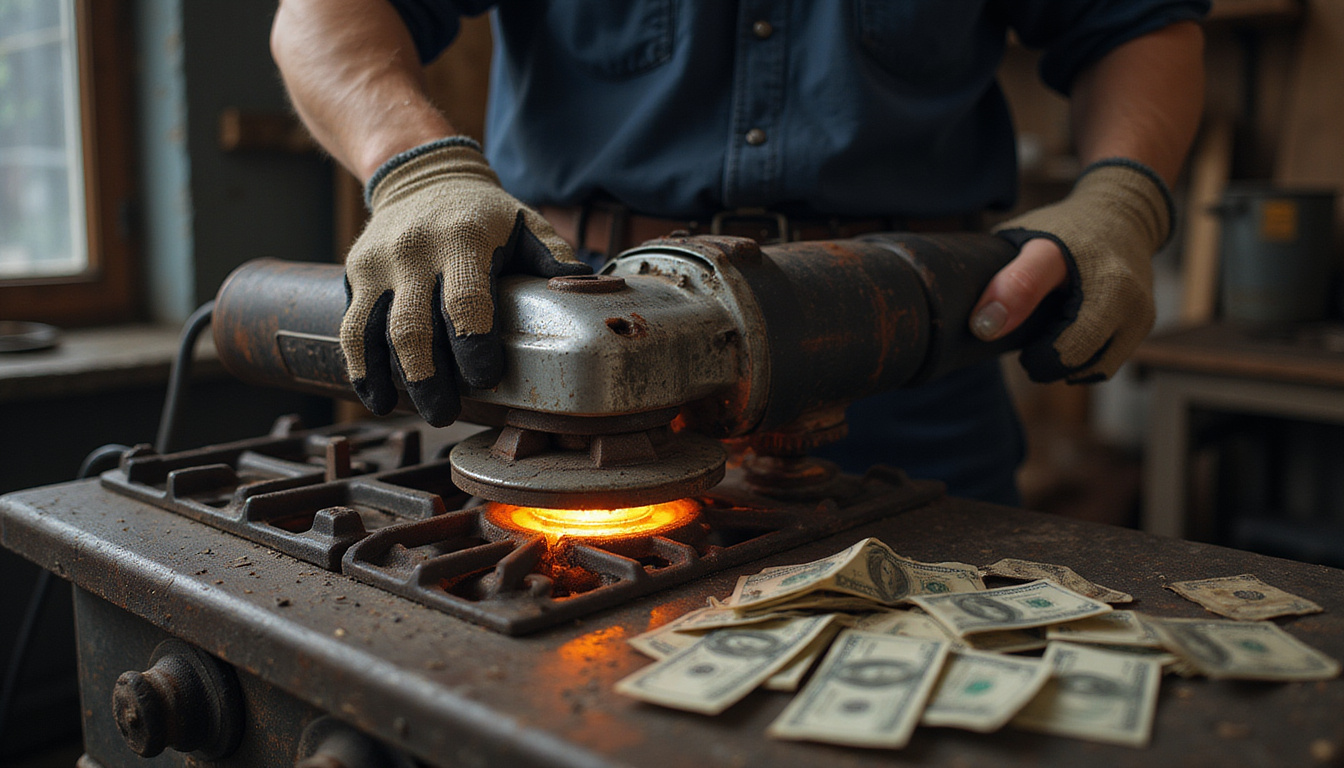
- You own basic tools (screwdrivers, wrenches, pry bars, reciprocating saw, angle grinder).
- You’ve checked current prices for copper, aluminum, and motors at your local yard.
Common items worth extracting:
- Copper tubing and coils
- Compressors (refrigerators, AC units)
- Electric motors
- Wiring harnesses and cords
- Aluminum panels or frames
- Brass fittings and valves (often in water heaters and plumbing connections)
Separate these metals by type – yards pay more for sorted, clean material.
Step 4: What Different Appliances Are Worth
Exact values vary by region and market conditions, but here’s a realistic overview to help you prioritize.
Refrigerators & Freezers
Components:
- Steel shell – Paid at shred/tin rate.
- Compressor – Often bought separately; contains copper.
- Copper tubing & coils – High-value non-ferrous metal.
- Wiring – Insulated copper wire.
Potential approaches:
- As-is: Paid by overall weight as “appliance.” Low effort.
- Parted-out: Remove compressor, wiring, and accessible copper lines; scrap the remaining shell as steel.
Air Conditioners & Dehumidifiers
Valuable for:
- Copper-aluminum coils (sometimes called “radiators” at the yard).
- Compressor and motor.
- Steel frame.
Remember: refrigerant must be reclaimed legally before scrapping.
Washers & Dryers
- Washer: Steel drum and cabinet, electric motor, wiring, sometimes concrete counterweight.
- Dryer: Steel body, drum, motor, wiring; gas dryers also have brass or copper gas fittings.
You can:
- Sell whole by weight.
- Remove motors and wiring first for extra profit.
Microwaves and Small Appliances
- Microwaves: Usually worth stripping – copper in the transformer and wiring can be significant compared to total weight.
- Small appliances: Ideal to collect in bulk and scrap once you have a full load.
Step 5: Where to Get Appliances for Scrapping
To make real money, you need a steady supply. Here are reliable sources:
- Friends and family – Let people know you’ll haul away old appliances for free.
- Social media & classifieds – Facebook Marketplace, Craigslist, Nextdoor: search for “free appliances,” “curb alert,” or “haul away.”
- Property managers & landlords – Offer no-cost pickup when tenants move out.
- Appliance stores & repair shops – They often pay to dispose of dead units; you might take them for free or a small fee.
- Storage auctions & estate sales – You can occasionally get multiple appliances at once.
Always factor in fuel costs and your time when deciding whether a pickup is worth it.
Step 6: Working with Scrap Yards (and Getting the Best Price)
Your relationship with local scrap yards is the backbone of successful appliance scrapping. Different yards pay different rates and have different rules.
Before You Go
Call ahead and ask:
- Do you accept whole appliances?
- Do fridges/AC units need refrigerant removed first?
- What are your current prices for:
- Shred/tin steel
- Compressors
- Electric motors
- Copper (bare, insulated)
- Aluminum
- Copper-aluminum radiators
On Site: How to Maximize Your Payout
- Separate metals by type before arrival.
- Remove obvious trash to avoid downgrades.
- Follow the yard’s layout (scale, unloading zones, non-ferrous area).
- Keep a log of weights and payments to track your earnings.
Over time, regular, reliable sellers often get smoother service and sometimes slightly better treatment at the scale.
Step 7: Beyond Scrap – Extra Ways to Make Money
Not everything has to go to the shredder. Appliance scrapping can branch into other profitable angles.
Sell Working or Repairable Units
If an appliance:
- Turns on
- Only needs minor repairs (like a belt, fuse, or simple part)
- Looks decent
…you may get more by:
- Cleaning it up and selling it locally (Marketplace, classifieds).
- Offering it as “for parts or repair” to DIYers.
Always test with proper safety precautions and never resell anything that’s unsafe.
Part Out Valuable Components
Some parts have surprising resale value:
- Oven control boards
- Washer control panels
- Refrigerator shelves, drawers, and door bins
- Specialty knobs and trim pieces
List these online with the model number for best results.
A Simple Appliance Scrapping Workflow
To turn appliance scrapping into consistent, fast cash, follow a repeatable process:
- Source: Line up regular pickups (friends, landlords, online ads).
- Sort: At home, quickly divide:
- Whole appliances to sell as-is
- Units worth stripping
- Strip (as time allows):
- Remove motors, compressors, wiring, copper, aluminum, brass.
- Organize metals:
- Separate into labeled bins or piles.
- Haul strategically:
- Take a full load to the scrap yard to minimize fuel cost per pound.
- Track revenue vs. time:
- Note which appliances bring the best return and focus on those.
Quick Pros and Cons of Appliance Scrapping
Pros:
- Low startup cost
- Immediate cash payouts
- Helps keep metal out of landfills
- Scalable from side hustle to small business
Cons:
- Physical work and heavy lifting
- Requires transportation
- Safety and environmental rules to respect
- Earnings can fluctuate with scrap prices
FAQ: Appliance Scrapping and Recycling
Q1: Is appliance scrapping really worth it for just a few items?
If you only have one or two appliances, you can still get paid by a local scrap yard, especially for heavy items like fridges, washers, and stoves. It might not be a windfall, but it offsets disposal costs and keeps metal out of landfills. If you enjoy it, you can then scale up your appliance scrapping efforts by advertising free haul-away services.
Q2: What’s the difference between appliance recycling and appliance scrapping?
Appliance recycling is the broader process of responsibly processing old units so materials are reused and hazardous substances are safely managed. Appliance scrapping focuses specifically on extracting and selling the metal content for profit. In practice, most scrappers participate in appliance recycling when they sell to regulated yards that handle environmental requirements.
Q3: Do I need a business license for an appliance salvage or scrapping side hustle?
For small-scale appliance scrapping done occasionally, many areas don’t require a special license beyond standard scrap seller ID requirements. However, if you’re operating regularly, advertising, or storing many units, check local regulations. Some cities require permits or zoning approval for an appliance salvage or scrapping operation, especially if you run it from a commercial space.
Turning old appliances into fast cash isn’t complicated; it’s about consistency and knowledge. Start with what you have, learn how your local scrap yards operate, and gradually refine your process to pull out the most valuable materials. Whether you’re cleaning out your own property or building a side business, appliance scrapping offers a practical way to earn money, help the environment, and build real-world skills.
If you’re ready to get started, take inventory of every unused or broken appliance you own, call a nearby scrap yard for current prices, and schedule your first drop-off this week. The sooner you make that first run, the sooner you’ll see for yourself how profitable appliance scrapping can be.
Junk Guys San Diego
Phone: 619-597-2299
Website: www.junkguyssd.com
Email: junkguyssd619@gmail.com