
Appliance Scrapping: Turn Old Machines Into Cash and Save Money
Appliance scrapping is one of the easiest ways to turn old, broken, or outdated machines into real cash while keeping heavy metals and plastics out of landfills. Whether you’re cleaning out a basement, upgrading your kitchen, or closing a rental property, knowing how to scrap appliances correctly can put money back in your pocket and even reduce your future energy bills.
Below is a practical, step‑by‑step guide to getting the most value from old appliances, staying safe, and avoiding common mistakes.
What Is Appliance Scrapping?
Appliance scrapping is the process of removing, separating, and selling the recyclable materials inside old household and commercial appliances. These can include:
- Refrigerators and freezers
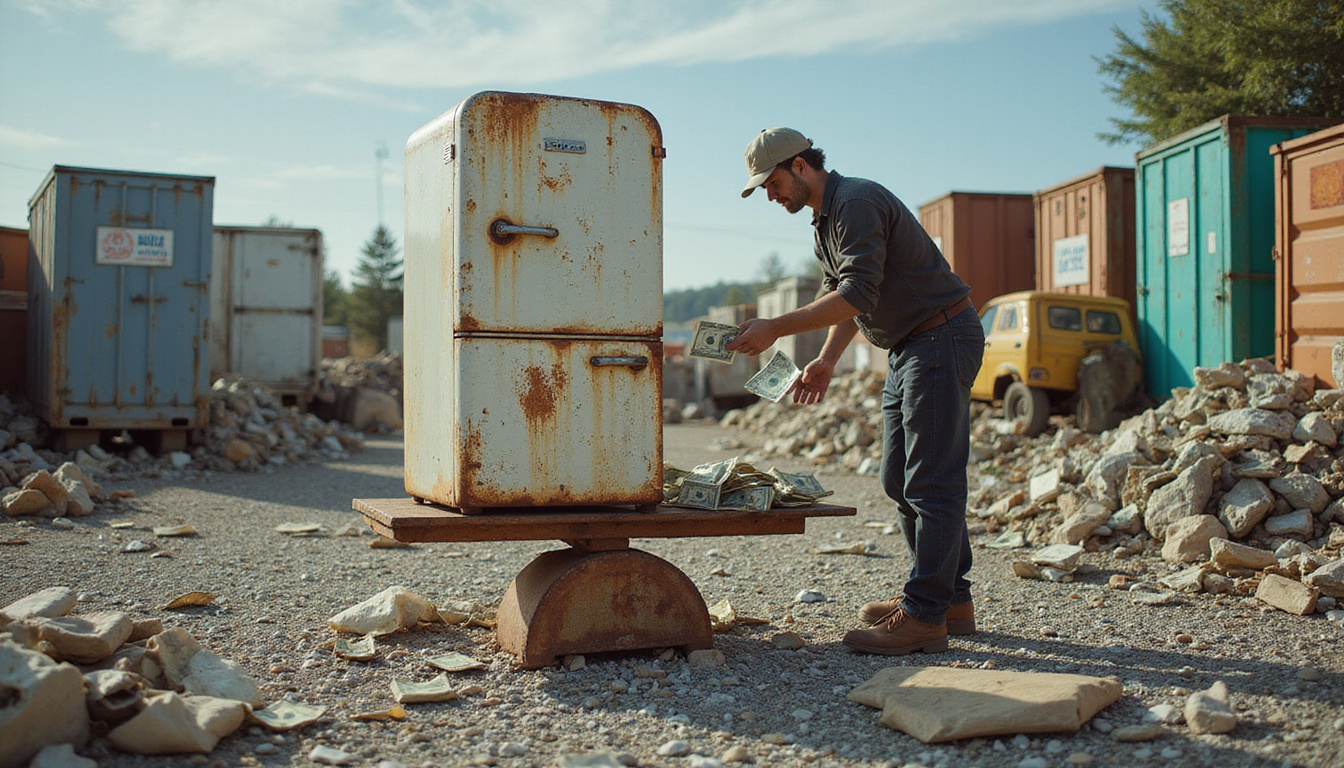
- Washers and dryers
- Dishwashers
- Ovens, stoves, and ranges
- Microwaves
- Air conditioners and dehumidifiers
- Water heaters and boilers
Most of these items contain:
- Ferrous metals (steel, iron)
- Non‑ferrous metals (copper, aluminum, brass)
- Electronic components (circuit boards, wiring)
- Plastics and glass
Scrap yards pay for the metal content, and in some cases, refurbishers or recyclers will pay more if the unit still works or can be easily repaired.
Why Appliance Scrapping Is Worth Your Time
1. Turn “Trash” Into Cash
Old appliances might look worthless, but inside are valuable metals and parts. Depending on the type and size of the appliance, you can make:
- A small amount from basic steel-only machines
- A moderate profit from units with copper coils and wiring
- A premium from non‑ferrous metals and complete working units
Scrap metal prices change often based on global markets, so checking prices at your local yard beforehand helps you decide which items are worth scrapping as-is and which are worth breaking down for parts.
2. Save Money on Future Utility Bills
Appliance scrapping isn’t just about cash today; it can also cut long‑term costs:
- Replace energy hogs: Old fridges, freezers, and dryers use far more electricity than modern Energy Star models. Scrapping them and upgrading can significantly lower monthly utility bills.
- Avoid repair money pits: A 15‑year‑old washer that needs a major repair is usually cheaper to scrap and replace than to fix.
According to the U.S. Department of Energy, modern Energy Star refrigerators use up to 40% less energy than units sold 15 years ago (source: energy.gov).
3. Reduce Waste and Help the Environment
Appliance scrapping keeps heavy metals, refrigerants, and non‑biodegradable plastics out of landfills. Proper disposal prevents:
- Refrigerant leaks from old fridges and AC units
- Hazardous chemicals contaminating soil and groundwater
- Excessive mining for new metals by reusing existing materials
It’s one of those rare actions that saves you money and helps the planet at the same time.
Which Appliances Are Worth Scrapping?
Not all appliances bring the same return. Here’s a quick overview:
High-Value Appliances
These often have more copper, aluminum, or desirable components:
- Refrigerators & Freezers (especially older ones with heavier compressors)
- Air Conditioners & Heat Pumps (copper coils, compressors)
- Dehumidifiers & Humidifiers
- Water Heaters (especially electric models with heavy metal tanks)
If you’re comfortable disassembling them safely, pulling out compressors, copper tubing, and wiring can increase the payout.
Medium-Value Appliances
These are lighter on copper but still worth scrapping:
- Washers & Dryers
- Dishwashers
- Electric Stoves & Ovens
These are mostly steel, but they do contain motors and wiring that can be separated for a bit more value.
Lower-Value or Mixed Appliances
These may not bring much individually, but they add up:
- Microwaves
- Small kitchen appliances (toasters, coffee makers, blenders)
- Range hoods and fans
Consider saving these up and scrapping in bulk to make the trip worthwhile.
Step-by-Step: How to Start Appliance Scrapping
Step 1: Decide What to Scrap vs. Sell or Donate
Before you start dismantling anything, evaluate each appliance:
-
Still working or easily repairable?
- Try selling locally (Facebook Marketplace, Craigslist, OfferUp).
- Consider donating to charity, a shelter, or a community program.
-
Old, broken, inefficient, or unsafe?
- Perfect candidates for appliance scrapping.
In many cases, a working appliance brings more as a second‑hand sale than as scrap metal.
Step 2: Check Local Rules and Scrap Yards
Refrigerated appliances and units with refrigerants (fridges, freezers, ACs) are heavily regulated:
-
Contact local scrap yards
- Ask if they accept fridges, freezers, and AC units.
- Find out whether they require refrigerant to be removed first.
- Request current prices for “appliances,” “light iron,” and “prepared steel,” plus copper and aluminum.
-
Check city or county rules
- Some areas require doors removed from fridges/freezers for safety.
- Others offer bulk pickup or rebate programs when you recycle old appliances.
Step 3: Prepare Appliances for Transport
Basic prep increases safety and may boost value:
- Unplug and disconnect from water and gas lines.
- Remove doors from refrigerators and freezers (for child safety, and some yards insist on it).
- Drain water from washers, dishwashers, and water heaters.
- Coil and secure cords to prevent tripping.
If your scrap yard accepts complete units without refrigerant removal, you can usually skip more advanced disassembly.
Step 4: Safe Disassembly (Optional, but Often Profitable)
Appliance scrapping can bring higher returns if you separate metals, especially non‑ferrous ones like copper.
Always prioritize safety:
- Wear gloves, eye protection, and sturdy clothing.
- Use the right tools: screwdrivers, socket set, pliers, wire cutters.
- Never cut into sealed refrigerant lines or compressors yourself—this requires certified handling.
Common parts worth pulling:
- Copper wiring – Inside cords, motors, and control panels.
- Compressors – Heavy steel casings often containing copper windings.
- Motors and pumps – Washers, dryers, dishwashers, and AC units.
- Aluminum – Condenser and evaporator coils (ACs, fridges), some trim pieces.
- Circuit boards – Microwaves and newer electronic appliances.
If you’re new to this, start by simply removing power cords and easily accessible motors; you can always strip more as you gain experience.
Step 5: Sort and Store Metals
Scrapyards pay more when materials are sorted. A simple system:
- Steel / Light Iron – Frames, drums, casings.
- Copper Wire – Keep separate by type if your yard pays differently for insulated vs. stripped.
- Bare Bright Copper – Clean, shiny copper wire without insulation (highest value).
- Aluminum – Coils, pans, some structural parts.
- Electric Motors / Compressors – Many yards buy these as their own category.
Use labeled buckets or bins so you’re not re-sorting at the yard.
Step 6: Transport and Get Paid
When you arrive at the scrap yard:
- Weigh in with your load on the truck scale (if required).
- Follow staff directions to unload appliances or sorted metals.
- Keep your receipt and compare with posted prices so you understand your payout.
In most cases, you’ll be paid on the spot in cash or check.
Safety Considerations for Appliance Scrapping
Appliance scrapping can be physically demanding and involve hazards if you’re not careful.
Key safety tips:
- Never vent refrigerants yourself. Leaking refrigerant is illegal and dangerous. Only certified technicians or facilities should recover it.
- Avoid sharp edges. Cut metal and broken glass can cause serious injuries; wear gloves and watch your hands.
- Watch for mold or pests. Old dishwashers, fridges, and washers may harbor mold, insects, or rodents.
- Use proper lifting techniques. Get help or a dolly for heavy appliances to prevent back injuries.
- Shut off gas and water lines at the source before disconnecting stoves or washers.
If any part of the process feels beyond your comfort or skill level, consider hiring a removal service or working with an experienced scrapper.
Ways to Maximize Profit From Appliance Scrapping
To squeeze every dollar out of appliance scrapping, use strategies like these:
-
Collect in bulk before heading to the yard.
One big trip usually beats several small ones in terms of time and fuel. -
Focus on high-value components.
If time is limited, prioritize copper wiring, compressors, and motors. -
Strip copper when it makes sense.
Stripping wire can increase your payout, but it’s only worth it if:- The wire is thick enough
- Price difference between insulated vs. bare copper is significant
- You have the time and tools
-
Watch market prices.
Metal prices fluctuate week to week. Holding non‑ferrous metals (copper, aluminum, brass) for a better price can pay off if you have storage space. -
Leverage utility and retailer programs.
- Some electric utilities offer rebates or bill credits when you recycle old fridges or freezers through them.
- Retailers sometimes provide haul‑away and recycling when you buy new appliances—factor this into your net cost.
Common Mistakes to Avoid
Avoid these frequent missteps when getting into appliance scrapping:
- Throwing away old appliances in regular trash. You lose money and risk fines or environmental harm.
- Cutting refrigerant lines. This is illegal in many places and can be dangerous to your health.
- Not checking local rules first. Some municipalities require permits or specific handling.
- Ignoring safety gear. Bare hands and flip‑flops are a fast track to injuries.
- Failing to compare scrap yards. Prices and acceptance policies vary—one quick phone call can mean more money.
Quick Checklist: Appliance Scrapping Made Simple
Use this list before your next cleanup:
- [ ] Identify which appliances to scrap vs. sell or donate
- [ ] Call 1–2 local scrap yards for rules and current prices
- [ ] Disconnect and prep units (remove doors, drain water)
- [ ] Remove easy high-value parts (cords, motors, wiring)
- [ ] Sort metals: steel, copper, aluminum, motors/compressors
- [ ] Load safely using a dolly or help from a friend
- [ ] Weigh in, get paid, and track what each load brings
FAQ About Appliance Scrapping
1. How much money can you get from scrapping appliances?
Payouts vary by appliance type, size, and metal prices. A basic washer or dryer might bring only a few dollars as mixed steel, while a refrigerator, air conditioner, or water heater with removed copper and motors can bring more. The best way to know is to weigh your items and check current rates with local scrap yards.
2. Is there a difference between appliance recycling and appliance scrapping?
“Appliance recycling” usually refers to environmentally responsible processing—removing refrigerants, safely handling hazardous components, and recovering metals and plastics. “Appliance scrapping” focuses more on the metal value. In practice, good scrappers work with reputable recyclers so both goals are achieved.
3. Can I scrap a refrigerator or AC unit with refrigerant still inside?
Many scrap yards will not accept refrigerators, freezers, or AC units that still contain refrigerant unless they have the equipment and certifications to remove it on‑site. In some regions, you must have the refrigerant evacuated by a certified technician or use a municipal or utility recycling program that handles it safely.
Turn Old Machines Into Cash Today
Appliance scrapping turns a cluttered garage or storage room into quick cash, lower energy bills, and a smaller environmental footprint. Instead of paying for bulky trash pickup or letting old machines rust away, you can recover valuable metals, free up space, and potentially earn enough to offset the cost of modern, efficient replacements.
Start by looking around your home, rental properties, or workplace for old or broken appliances, then make a quick call to local scrap yards to understand your options. With a bit of planning and safe handling, appliance scrapping can become a steady side income, a smart way to fund upgrades, and a responsible way to dispose of heavy equipment.
Don’t let those outdated machines sit idle another year—turn them into cash and long‑term savings by starting your appliance scrapping journey today.
Junk Guys San Diego
Phone: 619-597-2299
Website: www.junkguyssd.com
Email: junkguyssd619@gmail.com