
Sustainable disposal isn’t just about feeling good about your environmental impact—it can also help you earn extra money and keep your home cleaner and more organized. By rethinking what we throw away, we discover that a surprising amount of “trash” still has value, either as reusable material, upcycled products, or saleable items.
This guide walks through practical, people-friendly ways to turn clutter into cash, reduce waste, and create a healthier home.
What Is Sustainable Disposal (And Why It Pays Off)?
Sustainable disposal means getting rid of items in a way that minimizes environmental harm and maximizes resource recovery. Instead of tossing everything into the garbage, you:
- Reuse or repurpose what you can
- Recycle materials properly
- Compost organic waste
- Donate or sell usable items
Done right, this approach reduces landfill waste, cuts pollution, and helps conserve resources (source: U.S. EPA). But it also:
- Lowers your trash and cleanup costs
- Makes your living spaces more livable
- Puts actual money back in your pocket through resale, rebates, and savings
Step 1: Audit Your Home for Hidden Value
Before diving into specific sustainable disposal hacks, you need to know what you’re dealing with.
Room-by-room declutter with purpose
Walk through your home with three boxes and label them:
- Sell
- Donate
- Recycle/Repurpose
As you go room by room, ask:
- Have I used this in the last 12 months?
- Is it still functional or fixable?
- Would someone else pay for or appreciate this?
This intentional approach prevents you from mindlessly tossing items that still have value and sets you up to monetize what you no longer need.
Turn Household “Trash” Into Cash
A key part of sustainable disposal is recognizing that many items are assets, not waste.
1. Sell unused electronics and gadgets
Old phones, tablets, and laptops are rich in metals and components that recyclers and refurbishers want.
Where to sell:
- Online marketplaces: eBay, Facebook Marketplace, Swappa
- Trade-in programs: manufacturer or carrier trade-ins
- Local repair/refurbish shops
Before selling:
- Back up and wipe your data
- Include accessories (chargers, cases) to boost value
- Take clear photos and list specs accurately
Even broken electronics often have parts value, so list them “for parts or repair” instead of tossing them.
2. Cash in on scrap metal and hardware
Sustainable disposal of metal can literally pay by the pound.
Items worth separating:
- Copper wire, pipes, and old plumbing parts
- Aluminum cans and foil (clean and dry)
- Brass fixtures and doorknobs
- Steel shelving, bikes, and exercise equipment
Contact a local scrap yard for current prices and preparation guidelines. Stripping insulation from copper wire or separating metals by type can increase your payout.
3. Monetize clothing and textiles
Textile waste is a massive environmental problem. Extending the life of your clothes is one of the easiest sustainable disposal hacks.
Resell good-condition clothing via:
- Poshmark, Depop, Vinted, or eBay
- Consignment stores and upscale thrift shops
- Local buy/sell clothing groups
Upcycle or recycle worn-out textiles:
- Cut into cleaning rags
- Use denim or sturdy fabrics for DIY projects
- Drop off at textile recycling bins if available
Designer brands, vintage pieces, and kids’ clothes in great condition tend to sell quickly.
4. Flip furniture and home décor
Furniture is often too valuable (and bulky) to send to the dump.
Options for sustainable disposal that earn money:
- Sell as-is: mid-century, solid wood, and unique pieces perform well
- Light refurbishing: new hardware, fresh paint, or re-staining can multiply resale value
- Bundle décor: sell sets of frames, lamps, or décor items together
Bonus: Taking furniture off your curb keeps it out of landfills and reduces large-item hauling fees.
Upcycling: Creative Ways to Extend Product Life
Upcycling takes sustainable disposal a step further by turning discarded items into better or more valuable products.
1. Glass jars and bottles
Reusing glass reduces demand for new containers and is safer than many plastics.
Ideas:
- Pantry storage for grains, nuts, and spices
- DIY candles or terrariums
- Bathroom organizers for cotton pads, swabs, and bath salts
Remove labels with hot soapy water and a little oil (like coconut or olive) to dissolve adhesive.
2. Wooden pallets and crates
Wood pallets are often given away for free and can become:
- Garden planters or vertical gardens
- Shoe racks or storage benches
- Rustic coffee tables and wall shelves
Always sand rough edges and check for markings that indicate chemical treatment.
3. Tin cans and containers
Clean metal cans offer endless low-cost possibilities:
- Pen and brush holders
- Herb planters in the kitchen window
- Lanterns (punch holes and add candles or LEDs)
Paint or wrap them with scrap fabric for a cleaner look.
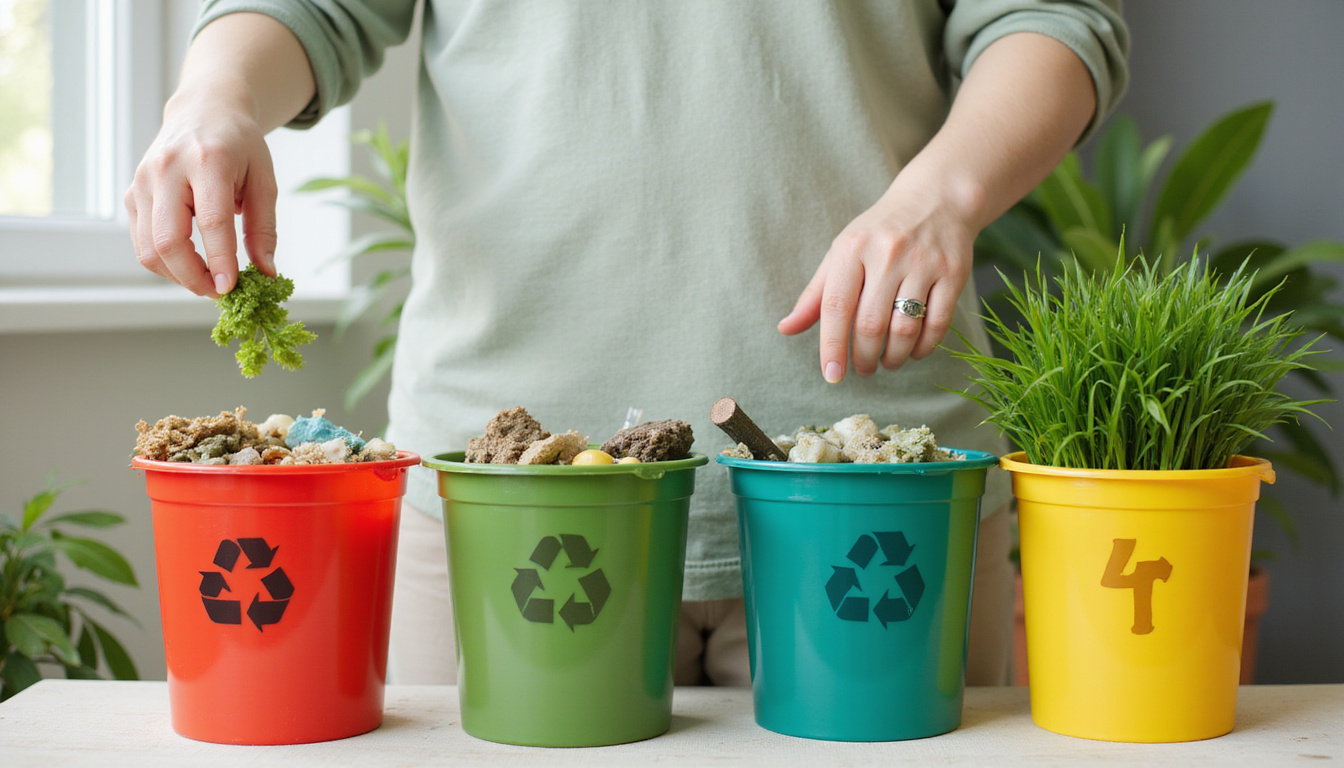
Sustainable Disposal in the Kitchen: Cut Waste and Costs
The kitchen is where sustainable disposal can have huge impact, both financially and environmentally.
1. Start a simple compost system
Food scraps don’t belong in landfills—they break down anaerobically and produce methane. Composting turns them into a valuable soil amendment.
Compostable items:
- Fruit and vegetable scraps
- Coffee grounds and filters
- Eggshells
- Yard waste (leaves, grass clippings)
Options:
- Outdoor compost bin or pile
- Worm bin (vermicomposting) for small spaces
- Municipal compost pickup (if available)
Finished compost boosts your garden’s health, reducing the need for store-bought fertilizers.
2. Preserve food to avoid throwing money away
Sustainable disposal isn’t only about what happens after use—it’s also about preventing waste.
Techniques:
- Freeze overripe fruit for smoothies instead of tossing it
- Turn wilted vegetables into broth or soup
- Pickle surplus cucumbers, carrots, or onions
- Dehydrate herbs or fruits before they go bad
The less food you waste, the more money you save.
Eco-Smart Recycling: Doing It Right
Recycling is a core pillar of sustainable disposal, but contamination and confusion can send good intentions straight to the landfill. A bit of effort ensures materials actually get recycled.
Know your local rules
Recycling guidelines vary widely. Check your city or hauler website for:
- Accepted plastics (often #1 and #2 only)
- Rules for glass, cartons, and metals
- Requirements for rinsing and flattening containers
Common mistakes that contaminate recycling
Avoid putting these in your recycling bin unless your local program specifically allows them:
- Plastic bags and film wrap
- Greasy pizza boxes
- Food-soiled containers
- Styrofoam
- “Compostable” or “bioplastic” utensils and cups
Plastic bags can often go to drop-off collection points at grocery stores instead.
Safe, Sustainable Disposal for Hazardous Items
Some household items are dangerous if tossed into regular trash but can be handled responsibly.
Electronics and batteries
These contain metals and chemicals that can leach into soil and water.
Better options:
- E-waste collection events
- Retailer take-back programs (some electronics and office supply stores)
- City-operated hazardous waste centers
Chemicals, paints, and cleaners
Never pour these down drains or into storm sewers.
Look for:
- Household hazardous waste days
- Paint recycling programs
- Community distribution shelves (for unopened, usable products)
Safe handling protects your health, waste workers, and the environment.
Donate Smart: Help Others While Clearing Clutter
Sustainable disposal often means giving items a second life with someone who needs them.
Where to donate effectively
- Charity thrift stores and nonprofits
- Local shelters or transitional housing programs
- Schools and community centers (art supplies, books, equipment)
- “Buy nothing” groups and neighborhood free-sharing platforms
Focus on items that are clean, functional, and safe. Donations that are essentially trash burden charities with disposal costs, so curate carefully.
A Simple Framework: The 6R Checklist
To make sustainable disposal a habit rather than a one-time project, follow this quick mental checklist:
- Refuse – Don’t bring home things you don’t truly need.
- Reduce – Buy less and choose higher-quality, longer-lasting items.
- Reuse – Find new uses for what you already have.
- Repair – Fix rather than replace whenever possible.
- Resell/Regift – Monetize or pass on items before they lose value.
- Recycle/Compost – As a last step, return materials to the resource loop.
Tape this list inside a cabinet door or near your trash can as a daily reminder.
Quick-Start Checklist: Turn Today’s Trash Into Tomorrow’s Cash
Use this list to take immediate, practical action:
- Gather all old phones, chargers, and gadgets → list or trade in
- Bag and sort metal items → call a local scrap yard for prices
- Pull out 10 clothing items you haven’t worn in a year → sell or donate
- Clean and save glass jars from this week’s groceries → repurpose for storage
- Collect food scraps for the next few days → start a compost bin or bucket
- Review your local recycling guide → adjust your bins to match the rules
- Set aside hazardous items (batteries, paint, chemicals) → schedule a drop-off
Small, consistent steps yield big results over time.
FAQ About Sustainable Disposal
What is sustainable waste disposal in everyday life?
Sustainable waste disposal in everyday life means making thoughtful choices about how you get rid of items: selling, donating, reusing, recycling, or composting instead of automatically throwing things away. It emphasizes minimizing environmental harm while maximizing the value you recover from your belongings.
How can I practice sustainable garbage disposal in a small home or apartment?
In small spaces, focus on simple systems: separate bins for recycling, trash, and compost; a “sell/donate” box; and digital tools like reselling apps. Compact solutions such as countertop composters, wall-mounted storage, and regular mini-declutters make sustainable garbage disposal realistic without overwhelming your space.
What are some sustainable disposal methods for old household items?
Sustainable disposal methods for old household items include: reselling through online marketplaces, donating to local charities, repairing or upcycling (like turning jars into organizers or pallets into furniture), bringing electronics and hazardous products to proper collection centers, and recycling textiles or turning them into cleaning rags when they’re no longer wearable.
Sustainable disposal doesn’t require perfection or a zero-waste lifestyle; it starts with a single decision to treat your “trash” as potential treasure. Each item you resell, repair, donate, or recycle is one less thing in a landfill—and one more step toward a cleaner, more organized, and more profitable home.
Start today: choose one room, one drawer, or one box. Sort it using the 6R framework, list two items for sale, set aside your recyclables and compostables, and schedule a drop-off for anything hazardous. With each small action, you’ll see how sustainable disposal transforms not just your waste, but your wallet and your living space.
Junk Guys San Diego
Phone: 619-597-2299
Website: www.junkguyssd.com
Email: junkguyssd619@gmail.com