
When a major storm passes, the damage outside can feel overwhelming. Branches, shingles, trash, and even fallen trees can transform a familiar landscape into a chaotic mess. Effective storm debris cleanup isn’t just about appearance—it’s about safety, preventing further damage, and restoring your yard so it’s usable and enjoyable again.
Below is a practical, step-by-step guide to help you clean up safely, work efficiently, and know when it’s time to call in the pros.
Step 1: Prioritize Safety Before You Touch Anything
Storm damage can hide serious hazards. Before starting any storm debris cleanup, take a few minutes to thoroughly assess the area.
Look for immediate dangers
Walk your property slowly and carefully. Do not begin removing debris until you’ve checked for:
- Downed power lines or sagging wires
- Leaning trees or broken limbs hanging overhead (“widow-makers”)
- Gas smells or damaged gas lines
- Flooded areas with unclear depth or contamination
- Broken glass, metal, or nails hidden in piles of debris
If you see downed or damaged power lines, stay far away and call your utility company or emergency services. Never attempt to move or drive over them.
Gear up with proper personal protection
Treat your yard like a construction zone. At a minimum, use:
- Sturdy work gloves
- Closed-toe boots with good traction
- Long pants and long sleeves
- Safety glasses or goggles
- Hearing protection if using chainsaws or loud equipment
For heavy work like cutting branches or handling sharp debris, consider a hard hat and steel-toe boots. Safety first prevents minor issues from turning into medical emergencies.
Step 2: Document the Damage for Insurance
Before you begin serious storm debris cleanup, document everything. This step is easy to skip in the rush to tidy up, but it can make a big difference if you file an insurance claim.
How to document effectively
- Take wide-angle photos of the entire yard from multiple angles.
- Capture close-ups of damaged structures, fences, vehicles, and large fallen trees.
- Record video walkthroughs narrating what you see and when the storm happened.
- List damaged items (patio furniture, grills, outdoor equipment).
Check your homeowners or renters policy and, if needed, call your insurer before removing major debris like fallen trees on structures. They may need an adjuster to see the damage on-site.
Step 3: Sort and Stage Debris the Smart Way
A chaotic pile of mixed debris is harder and slower to remove. The key to efficient storm debris cleanup is sorting as you go.
Separate debris into clear categories
Designate spots (or piles) well away from sidewalks, driveways, and drainage:
- Green waste: Branches, leaves, logs, shrubs, grass, and plants.
- Construction and demolition debris: Shingles, siding, lumber, fence panels, bricks, gutters.
- Household items: Outdoor furniture, toys, decor, grills, broken tools.
- Metal and recyclables: Scrap metal, aluminum, recyclable plastics, glass.
- Hazardous materials: Paint cans, chemicals, fuel, batteries, electronics.
Keep hazardous waste off the ground on a tarp or in containers so it doesn’t leak into soil.
Work from big to small
Start with large items that block access and pose safety risks:
- Large limbs blocking walkways or driveways
- Fallen fences or sections of roofing
- Big piles of branches that could hide sharp objects
Once major obstacles are cleared, you can focus on raking leaves, twigs, and smaller debris.
Step 4: Handle Trees, Limbs, and Branches Safely
Downed trees and heavy limbs are where injuries most often occur during storm debris cleanup. Be extremely cautious and honest about your skill level.
When to DIY vs. call a professional
DIY is usually okay for:
- Small branches you can lift and move comfortably
- Light pruning of broken limbs you can reach from the ground
- Cutting small branches with hand tools or a small saw
Hire a certified arborist or tree service if:
- A tree or large limb is on your house, fence, or vehicle
- Branches are tangled in or near power lines
- Trunks or limbs are under high tension (bent, twisted, or supporting other trees)
- You don’t have proper chainsaw training and safety gear
Improper cutting can cause trees or limbs to spring, roll, or fall unpredictably, leading to serious injuries.
Best practices for cutting and stacking
- Clear your footing and escape route before each cut.
- Never cut above shoulder height with a chainsaw.
- Cut large limbs into manageable sections you can carry safely.
- Stack branches with cut ends facing the same direction for easy hauling or pickup.
Many municipalities offer curbside pickup for yard waste after major storms; follow their guidelines for bundle size and placement.
Step 5: Remove Smaller Debris and Hidden Hazards
After large debris is gone, it’s time to clean up the smaller clutter spread across your lawn and beds.
Rake and sweep thoroughly
- Use a leaf rake to gather leaves, twigs, and smaller branches.
- Sweep patios, decks, and walkways; check for nails, screws, and broken glass.
- Use a magnetic sweeper if there’s been roof or fence damage—nails and screws are often scattered in the grass and driveway.
Collect small debris into bags or containers based on your earlier sorting categories.
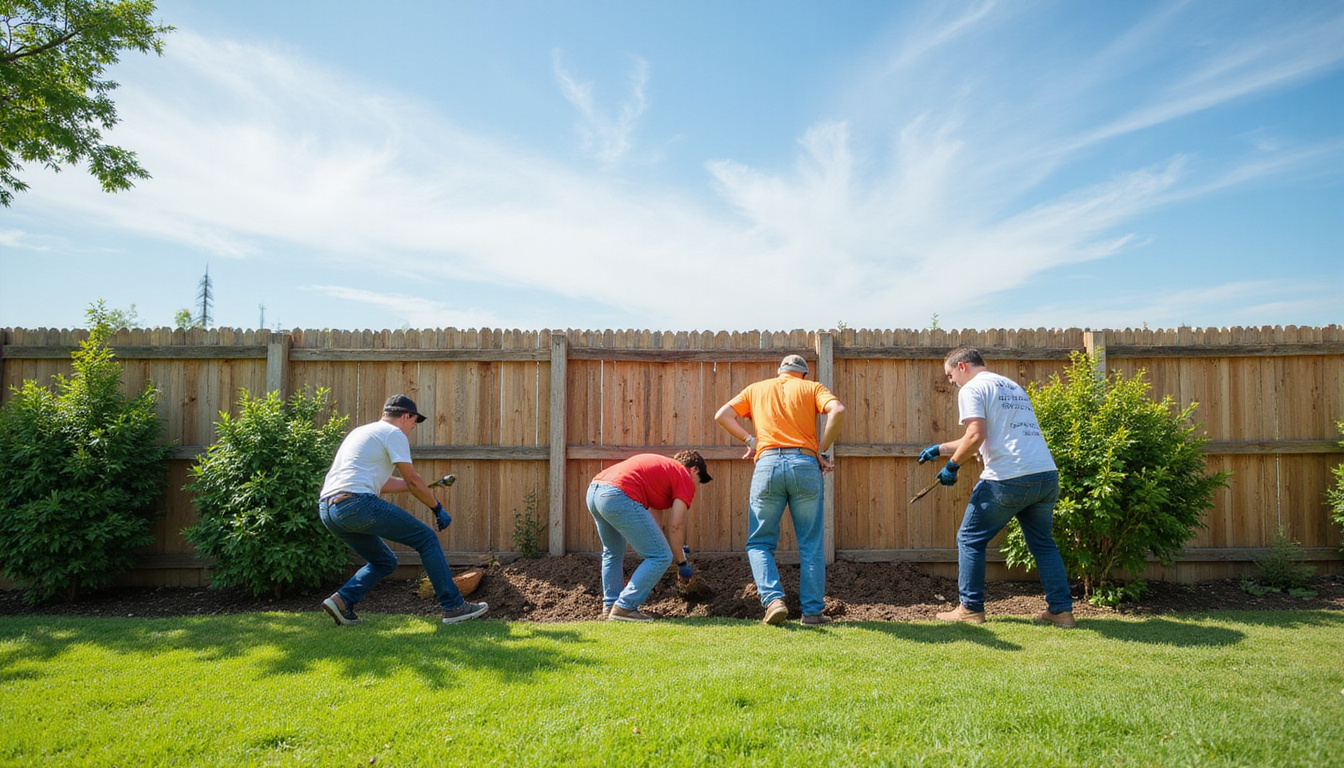
Protect your soil and lawn
Heavy layers of leaves and debris can smother grass and plants if left too long. Removing them allows:
- Sunlight and air to reach the soil
- Water to drain properly instead of pooling
- Pests and mold to be minimized
If your yard was flooded, avoid walking repeatedly over wet soil; compaction can damage root systems and make later recovery harder.
Step 6: Dispose of Storm Debris Legally and Responsibly
Proper disposal is a key part of storm debris cleanup and helps your community recover faster.
Check local rules and storm-specific programs
After major events, cities often:
- Extend landfill hours
- Waive or reduce dumping fees
- Provide special curbside pickup for vegetative and construction debris
Visit your city or county website, or call public works, to confirm:
- What can go to the curb and how it should be bundled or bagged
- Size limits for branches and logs
- Where to take hazardous waste and electronics
The U.S. Environmental Protection Agency provides helpful guidance on debris management after disasters (see EPA disaster debris resources for more details) (source).
Sustainable disposal options
- Mulching or chipping: Turn branches and small logs into mulch for beds and paths.
- Composting: Leaves and small plant material can become rich compost over time.
- Recycling: Scrap metal, appliances, and some construction materials may be recyclable.
Avoid burning debris unless local authorities explicitly allow it; outdoor burning can be dangerous and highly regulated.
Step 7: Inspect for Hidden Damage and Future Problems
Once your yard looks clear, take another slow walk-around to catch less obvious issues.
Check structures, surfaces, and systems
- Fences and gates: Look for loose posts, broken boards, or misaligned sections.
- Sheds and outbuildings: Check roofs, doors, windows, and foundations.
- Decks and patios: Inspect for loose boards, cracked pavers, or shifted footings.
- Drainage: Clear leaves from gutters, downspouts, and yard drains. Ensure water flows away from your home.
Addressing these early can prevent leaks, erosion, and more expensive repairs later.
Step 8: Restore and Rebuild Your Yard
With the bulk of storm debris cleanup complete, you can focus on bringing your yard back to life.
Help your lawn recover
- Reseed bare patches where turf was ripped up or smothered.
- Topdress with compost to improve soil damaged by flooding or compaction.
- Aerate compacted areas once the ground is no longer saturated.
- Water deeply but infrequently to encourage strong root growth.
If large areas are dead or heavily eroded, you may need to re-sod or work with a landscaper on a more comprehensive plan.
Revive trees, shrubs, and beds
- Prune broken or torn branches cleanly to promote healthy regrowth.
- Add fresh mulch (2–3 inches) around trees and shrubs, keeping it away from the trunk.
- Replace toppled or damaged plants with species better suited to your local climate and storm risks.
Consider wind-tolerant plants and deep-rooted trees if you live in an area where strong storms are common.
Step 9: Plan Ahead to Minimize Future Storm Damage
Every cleanup is an opportunity to make your outdoor space more resilient.
Simple prevention measures
- Regular tree maintenance: Have trees inspected and pruned by a certified arborist every few years.
- Secure loose items: Anchor or store furniture, grills, and decor before storms.
- Reinforce weak structures: Upgrade old fences, sheds, and playsets.
- Improve drainage: Grade soil and install swales or French drains where water pools.
Keeping your yard maintained year-round makes storm debris cleanup faster, safer, and less stressful the next time severe weather hits.
Quick Reference: Storm Debris Cleanup Checklist
Use this summary list to stay organized:
- Ensure safety (check for power lines, gas leaks, overhead hazards).
- Wear proper protective gear.
- Document all damage with photos and video before major cleanup.
- Sort debris into clear categories (green waste, construction, household, metal, hazardous).
- Clear large, dangerous items first; call pros for big trees or structural damage.
- Rake and sweep smaller debris; watch for nails, glass, and sharp metal.
- Dispose of waste according to local rules; use recycling, mulching, and special pickups.
- Inspect structures, drainage, and soil for hidden damage.
- Restore lawn and plants; reseed, prune, and replant as needed.
- Implement prevention measures to reduce damage from future storms.
FAQ: Common Questions About Post-Storm Yard Cleanup
1. How long does storm yard cleanup usually take?
The time required for storm yard cleanup depends on the size of your property and the severity of damage. Light debris can be removed in a few hours, while yards with fallen trees or structural damage may take several days and require professional help. Starting with a clear plan and sorting debris as you go can significantly speed up the process.
2. What should I do with storm yard debris if my city doesn’t offer pickup?
If there’s no dedicated storm debris collection, you can haul green waste to a local composting or yard-waste facility, take construction debris to an approved landfill or transfer station, and bring hazardous items to a household hazardous waste collection site. Some private haulers and junk removal services also offer storm debris cleanup packages that include disposal.
3. Is it safe to burn storm yard waste to get rid of it faster?
In many areas, burning storm yard debris is restricted or prohibited due to fire risk and air quality concerns. Always check local regulations before burning anything. Even where it’s allowed, burning should be done cautiously, far from structures, with a water source on hand. For most homeowners, mulching, composting, and municipal disposal options are safer and more environmentally friendly than open burning.
Reclaiming your yard after a storm takes effort, but it’s also a chance to make your outdoor space stronger, safer, and more enjoyable than before. If your property is heavily damaged, if large trees are involved, or if you simply don’t have the time or equipment, consider hiring a reputable local storm debris cleanup service to handle the heavy lifting.
Start today by walking your property, documenting what you see, and tackling the first, most important safety steps. With a clear plan and steady progress, you can rebuild and reclaim your yard—and be better prepared when the next storm rolls through.
Junk Guys San Diego
Phone: 619-597-2299
Website: www.junkguyssd.com
Email: junkguyssd619@gmail.com