
When warmer weather arrives, a thoughtful spring cleanup can completely transform your yard from dull and bedraggled to fresh and vibrant. Beyond just looking nicer, a well-planned cleanup promotes healthier plants, safer outdoor spaces, and better enjoyment of your property all season long.
Below are 12 smart, practical tips to guide your spring yard cleanup—whether you’re a weekend gardener or just want your outdoor spaces to look cared for with minimal hassle.
1. Start with a Walk-Through and Simple Inspection
Before you start raking or pruning, take 15–20 minutes to walk your entire property. A quick inspection helps you prioritize your spring cleanup so you’re working smarter, not harder.
Look for:
- Winter damage to trees, shrubs, and fences
- Low spots in the lawn where water pools
- Any signs of pests or disease on plants
- Loose stones, bricks, or pavers in walkways
- Broken irrigation heads or hoses
Make a short list of what needs attention now, what can wait, and what may require a professional (like hazardous tree limbs). This planning step makes the rest of your yard cleanup far more efficient.
2. Clear Debris: Leaves, Sticks, and Winter Trash
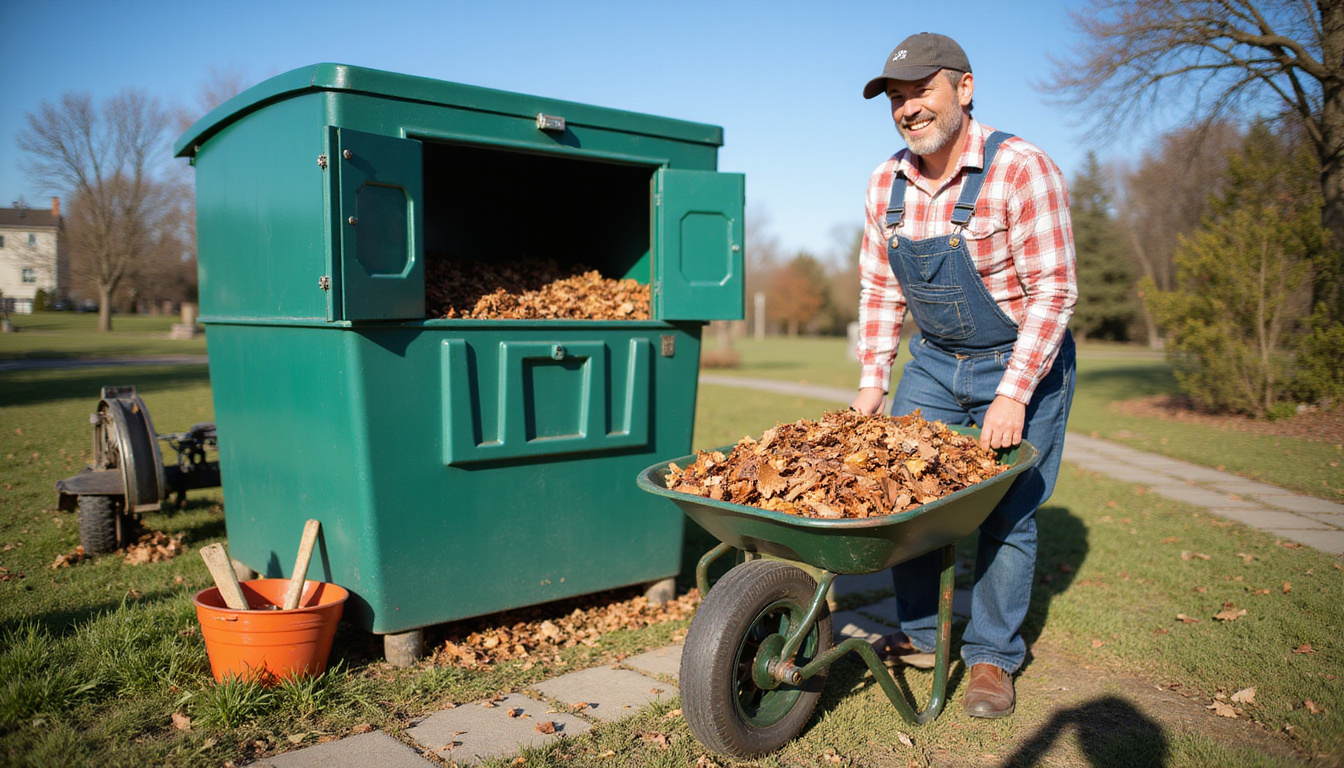
Winter storms tend to leave behind a tangle of leaves, branches, and random debris. Clearing this out is the foundation of any effective spring cleanup.
Focus on:
- Raking leaves and twigs from the lawn and garden beds
- Removing branches from around structures and fences
- Cleaning out corners where debris collects and traps moisture
Left in place, soggy leaves and debris can smother grass and harbor mold, pests, and disease. Consider shredding leaves and small twigs and adding them to your compost pile rather than sending everything to the landfill.
3. Prune Dead and Damaged Branches Carefully
Selective pruning in early spring encourages healthy new growth and improves plant shape. However, timing and technique matter.
For most trees and shrubs:
- Remove dead, broken, or crossing branches
- Cut back to a healthy bud or branch junction
- Sterilize tools between plants to prevent disease spread
Avoid heavy pruning of spring-flowering shrubs (like lilacs, forsythia, azaleas) before they bloom, or you may cut off this year’s flower buds. These are best pruned right after flowering.
If you’re unsure, look up your plant by name or check guidance from reliable sources such as your local extension service or the USDA’s gardening resources (source).
4. Revive Your Lawn: Rake, Repair, and Reseed Bare Spots
Lawns often emerge from winter matted and patchy. A focused lawn portion of your spring cleanup sets the stage for thick, healthy turf.
Key steps:
-
Rake thoroughly
Use a leaf or thatch rake to lift matted grass, remove leftover leaves, and let air and light reach the soil. -
Repair bare or thin areas
- Loosen soil with a rake
- Add a thin layer of compost or topsoil if needed
- Spread high-quality grass seed suited to your region and sun level
- Gently rake to mix seed and soil, then keep moist until germination
-
Edge along sidewalks and beds
A crisp edge instantly makes a yard look tidy and well kept.
Be mindful with early-season fertilizing; overdoing it can burn grass or encourage weak, fast growth. Many homeowners do best with a light, slow-release fertilizer once the lawn is actively growing.
5. Clean and Refresh Landscape Beds
Mulched beds and borders are visual focal points in your yard. A targeted spring cleanup here has a big impact on curb appeal.
Do the following:
- Pull or hoe out obvious weeds while they’re small
- Remove leftover annuals and any dead perennial foliage
- Loosen compacted soil around plants with a hand fork
- Add compost around plants for a nutrient boost
- Re-edge beds with a shovel or edging tool for sharp, clean lines
Once beds are prepped, they’re ready for fresh mulch and new plantings.
6. Apply Fresh Mulch the Right Way
Mulch is one of the simplest, smartest tools in spring yard cleanup. It suppresses weeds, retains soil moisture, and instantly freshens the look of your landscape.
Best practices:
- Maintain a 2–3 inch layer of mulch
- Keep mulch a few inches away from trunks and stems (“mulch volcanoes” around trees can cause rot and pest issues)
- Top-dress existing mulch lightly rather than burying what’s already there
- Choose a mulch that suits your style and budget (shredded bark, wood chips, pine straw, stone, etc.)
A well-mulched yard looks finished and is easier to maintain through the growing season.
7. Give Hardscapes and Outdoor Structures Some Attention
A thorough spring cleanup isn’t just about plants. Hard surfaces can collect grime, moss, and stains over winter, dulling the look of your entire outdoor space.
Tackle:
- Sweeping patios, decks, and walkways
- Power-washing concrete or pavers (on a low setting to avoid damage)
- Cleaning and sealing wooden decks if needed
- Wiping down outdoor furniture and checking for rust or damage
- Inspecting fences, gates, and railings; tighten or repair where necessary
A few hours here can make your yard feel like an extension of your living space rather than an afterthought.
8. Check Irrigation Systems and Watering Setup
Before plants hit their peak growth, it pays to ensure your watering systems are working properly and efficiently.
During your spring cleanup:
- Turn on sprinklers and drip systems and look for leaks, clogs, or misaligned heads
- Adjust spray patterns so you’re watering plants and lawn, not sidewalks and driveways
- Replace broken or clogged emitters and fixtures
- Consider adding a smart controller or basic timer to avoid overwatering
Efficient irrigation saves water, supports healthier growth, and reduces the chance of fungal issues caused by excess moisture.
9. Tidy and Upgrade Your Garden Tools
Organized, sharp tools make every part of spring cleanup faster and more enjoyable.
Take time to:
- Clean dried soil and sap off shovels, pruners, and trowels
- Sharpen blades on pruners, loppers, hoes, and lawnmower
- Oil metal parts lightly to prevent rust
- Replace worn-out gloves and broken hand tools
- Hang tools on wall racks or pegboards so they’re easy to find
If your mower hasn’t been serviced in a year or more, schedule maintenance or change the oil, filter, and spark plug yourself. A sharp mower blade also prevents ragged grass tips that brown quickly.
10. Plan and Plant for Continuous Seasonal Color
Once the bulk of your spring cleanup is done, you can focus on adding beauty. Thoughtful planting ensures your yard looks lively from spring through fall.
Consider:
- Early color from bulbs (tulips, daffodils, hyacinths) and cool-season annuals (pansies, violas)
- Perennials that bloom at different times, so something is always in flower
- Shrubs with multiple seasons of interest (flowers, fall color, attractive bark or berries)
- Pollinator-friendly plants like coneflowers, bee balm, milkweed, and lavender
Sketch a simple plan or take photos of your beds to remind yourself where gaps appear later in the season. Filling these now or noting them for fall planting creates a more cohesive, layered look.
11. Address Drainage and Erosion Problems Early
Spring often reveals drainage issues: puddles that linger, washed-out soil, or muddy low spots. Including these in your spring cleanup prevents more serious problems later.
Options include:
- Filling low lawn areas with soil and reseeding
- Extending downspouts away from foundations
- Creating shallow swales or dry creek beds to direct water
- Using gravel or stepping stones in frequently muddy, high-traffic areas
- Planting groundcovers or deep-rooted plants on slopes to reduce erosion
Proper drainage protects your home, hardscapes, and plants while making your yard more usable after heavy rains.
12. Make It Safer: Pests, Allergens, and Hazards
Finally, use your spring cleanup to make your yard safer and more comfortable.
Look for and address:
- Overgrown shrubs blocking sightlines along walkways or driveways
- Loose stones, roots, or uneven surfaces that pose tripping hazards
- Standing water that can attract mosquitoes
- Poison ivy, poison oak, or other irritating plants encroaching on paths and play areas
- Insect nests forming in or around structures
Promptly dealing with these issues makes your yard more enjoyable for family, guests, and pets.
Simple Spring Cleanup Checklist
To keep everything manageable, here’s a condensed checklist you can work through over a few weekends:
- Walk property and note damage or problem areas
- Rake and remove leaves, sticks, and debris
- Prune dead/damaged branches (and lightly shape shrubs as appropriate)
- Rake lawn, patch bare spots, and edge along walkways
- Weed and clean garden beds; remove dead plants and old annuals
- Add compost and refresh mulch, avoiding mulch against trunks
- Clean patios, decks, furniture, and hardscapes
- Inspect and test irrigation and hoses
- Clean, sharpen, and organize garden tools; service mower
- Plant for seasonal color and long-term structure
- Fix drainage issues and stabilize erosion-prone areas
- Address safety concerns and pest hotspots
Working through this list step by step turns a daunting yard into a welcoming outdoor retreat.
FAQ: Spring Cleanup for Your Yard
Q1: When should I start spring yard cleanup?
Begin spring cleanup once snow and hard frosts have mostly passed and soil is no longer soggy—often late March to April, depending on your climate. Working too early can compact wet soil and damage emerging plants, so wait until the ground is firm enough to walk on without leaving deep footprints.
Q2: What should I prioritize in my spring clean up for the lawn?
For lawn-focused spring clean up, prioritize raking debris and thatch, repairing bare spots with appropriate grass seed, and checking mower blades and irrigation. Over-seeding thin areas and avoiding heavy foot traffic while grass is waking up will give you the thickest, healthiest turf.
Q3: How can I make spring lawn cleanup easier each year?
Regular fall maintenance—such as leaf removal, overseeding, and proper mowing height—makes spring lawn cleanup much easier. Adding mulch to beds to reduce weeds, keeping tools organized, and scheduling a recurring “yard day” every few weeks during the growing season also prevents tasks from piling up.
A thoughtful spring cleanup does far more than just tidy your yard—it sets the stage for a healthier landscape, a more functional outdoor space, and months of relaxed enjoyment. If your yard feels overwhelming right now, start with the checklist above and tackle one area at a time.
If you’d like help creating a customized spring cleanup plan—tailored to your climate, yard size, and maintenance goals—reach out to a local lawn and landscape professional or extension office, or use this guide as the blueprint for your own weekend projects. Begin today, and by the time peak season arrives, your yard will be fully transformed and ready to enjoy.
Junk Guys San Diego
Phone: 619-597-2299
Website: www.junkguyssd.com
Email: junkguyssd619@gmail.com