
If you’ve been staring at an unused or aging pool and wondering what else your yard could be, you’re not alone. More homeowners are choosing pool removal to reduce maintenance, lower costs, and reclaim valuable outdoor space. Done right, removing a pool isn’t just demolition—it’s the first step in a smart landscaping plan that can transform your entire property.
This guide walks you through how pool removal works, what to expect, and how to turn that empty space into a functional, beautiful backyard you’ll actually use.
Why More Homeowners Are Choosing Pool Removal
A backyard pool can be wonderful—until it isn’t. Over time, many owners realize the downsides outweigh the benefits.
Common reasons for pool removal include:
- Rising maintenance and repair costs
- Safety concerns for kids and pets
- Limited usable yard space
- High water and energy bills
- Changing lifestyle or mobility needs
- Preparing to sell an older home
A well-planned removal and landscape redesign can:
- Cut ongoing expenses
- Increase the usable square footage of your yard
- Reduce safety and liability issues
- Modernize the look of your property
In some markets, removing an outdated or damaged pool can also make a home more attractive to a broader range of buyers (source: National Association of Realtors).
Understanding Your Pool Removal Options
Not all pool removal jobs are the same. The best method depends on your budget, long-term plans, and local regulations.
1. Partial Pool Removal (Pool Fill-In)
This is often the most budget-friendly option.
Typically, the contractor will:
- Punch drainage holes in the bottom of the pool
- Remove the top portions of the pool walls
- Backfill the cavity with soil and compact it
Pros:
- Lower upfront cost
- Faster than a full removal
- Adequate for many landscaping plans
Cons:
- May be recorded as a “partial removal” on property records
- Future building options over the area can be restricted in some jurisdictions
- Improper backfilling can lead to sinking or drainage problems
2. Full Pool Removal
This is the most thorough and future-proof method.
The process typically involves:
- Completely demolishing the entire pool structure
- Removing all debris from the site
- Importing engineered fill and compacting in layers
Pros:
- Most flexible for future construction (e.g., additions, garages)
- Often preferred by municipalities and building departments
- Less risk of long-term settling issues when done properly
Cons:
- Higher cost than partial removal
- More extensive excavation and trucking
Before deciding, check with your local building department; some areas strongly favor or even require full removal for compliance.
Step-by-Step: What Happens During Pool Removal
Knowing the sequence can help you feel confident and prepared.
Step 1: Permits and Planning
- Your contractor should handle permit applications.
- The city may require:
- Engineering or soil reports
- Utility location checks (calling 811 in the U.S.)
- Inspections during and after backfilling
You’ll also want to discuss your landscaping goals early so the removal process sets you up for success—grading, drainage, and soil quality matter.
Step 2: Draining the Pool
The water must be pumped out safely and legally:
- Often discharged into the sanitary sewer or a designated drainage point
- Avoid flooding neighboring properties or over-saturating your yard
Step 3: Demolition
Depending on the pool type:
- Concrete/gunite pools: Broken up with heavy equipment
- Fiberglass pools: Cut into manageable pieces and hauled away
- Vinyl liner pools: Steel or polymer walls removed; liner discarded
Noise and dust are inevitable for a day or two, but an experienced crew will manage debris and protect surrounding areas as much as possible.
Step 4: Backfilling and Compaction
This is the most critical phase for your future landscape.
- Fill is added in layers and compacted with machinery
- Proper compaction minimizes future sinking and uneven surfaces
- Quality fill soil near the top layer supports planting and turf
Ask your contractor about:
- Compaction standards they follow
- Type of fill material used
- Whether they include a final grading plan for drainage
Step 5: Final Grading and Preparation
Once the cavity is filled:
- The area is graded so water flows away from your house
- Topsoil is spread if you plan to sod, seed, or garden
- You can now move into the exciting part: designing your new yard
Smart Landscaping Ideas to Reclaim Your Backyard
After pool removal, your yard becomes a blank canvas. Think about how you really want to live outside.
Create Functional Outdoor “Rooms”
Break your yard into zones that serve different purposes:
- Dining area with a patio or deck
- Relaxation zone with lounge chairs or a small pergola
- Play space for kids or pets
- Garden beds for flowers, herbs, or vegetables
Designing distinct spaces makes your backyard more organized and more usable day-to-day.
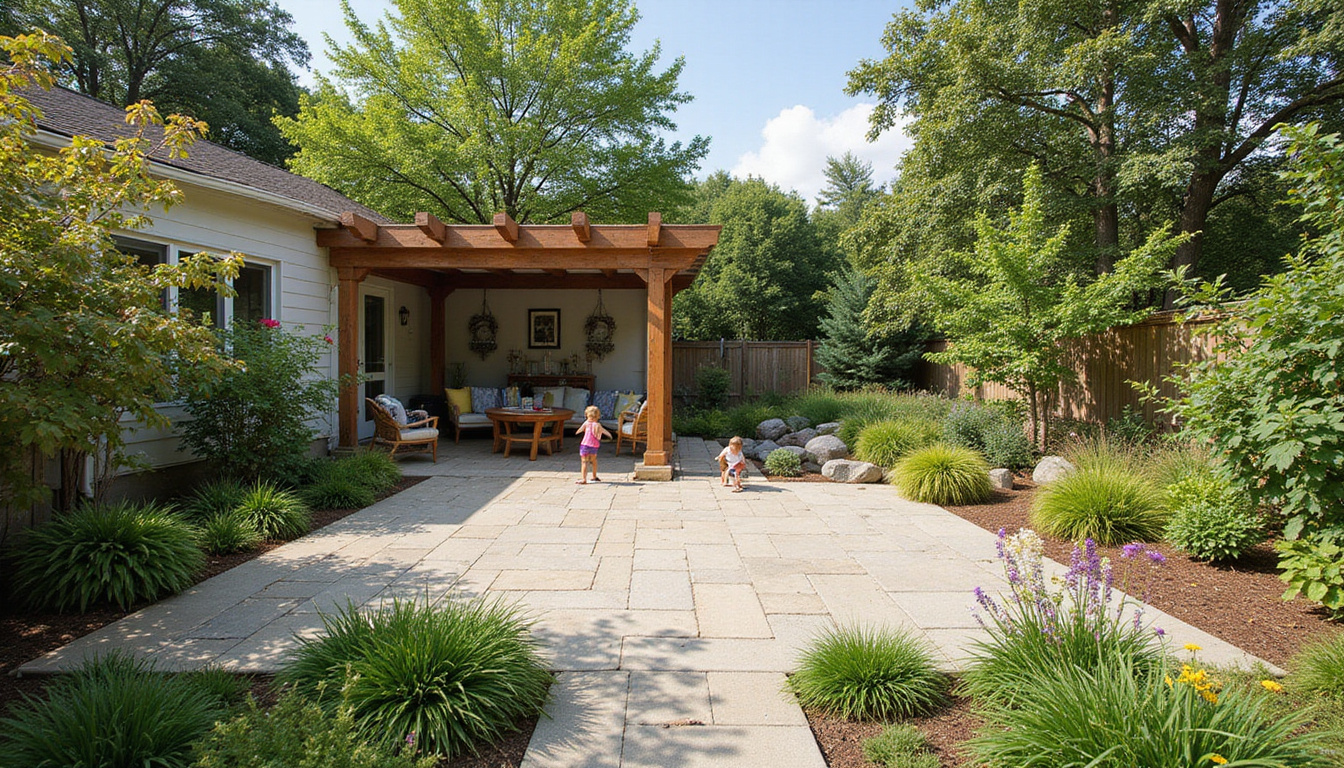
Build a Low-Maintenance Entertaining Space
If your pool used to be the social hub, replace it with something equally inviting but easier to maintain:
- A paver or stone patio with comfortable seating
- A fire pit area with gravel or stone surround
- An outdoor kitchen or grill station
- String lighting or low-voltage landscape lighting for evening ambiance
Hardscapes (like patios) require far less upkeep than a pool while still making your yard ideal for gatherings.
Add Greenery with Purpose
Strategic planting after pool removal can:
- Soften the look of the former pool area
- Improve privacy with hedges or trees
- Provide shade and reduce heat around your home
- Attract pollinators with native flowers and shrubs
Consider:
- Drought-tolerant or native plants to reduce watering
- Raised beds or planters if the soil needs time to settle
- A mix of evergreen and seasonal plants for year-round interest
Design for Kids and Pets
If safety was one of your reasons for pool removal, turn the space into a family-friendly zone:
- Level lawn area for games and sports
- Playset or sandbox for children
- Dog-friendly turf, shaded spots, and secure fencing
Think about durable, soft surfaces and clear sightlines so you can supervise easily.
Cost Factors in Pool Removal and Backyard Redesign
Costs vary widely, but you can understand where the money goes by breaking it into key categories.
Pool Removal Cost Drivers
- Pool size and depth
- Construction type (concrete, fiberglass, vinyl)
- Site access for heavy equipment
- Local permit and disposal fees
- Full vs. partial removal
In many areas, homeowners may see a typical range from several thousand to tens of thousands of dollars, depending on complexity.
Landscaping and Renovation Costs
Once the pool is gone, you’ll budget separately for:
- Grading and topsoil
- Sod, seed, or artificial turf
- Hardscapes (patios, walkways, walls)
- Irrigation or drainage systems
- Plant materials and mulch
- Outdoor structures (pergolas, sheds, playsets)
A good approach is to prioritize:
- Drainage and grading (foundation protection first)
- Primary surfaces (patios, lawn, pathways)
- Planting and finishing touches (beds, lighting, decor)
If budget is tight, you can phase in elements over time—start with a simple lawn and a seating area, then add gardens or features later.
Avoiding Common Pool Removal Mistakes
A bit of planning helps you avoid headaches down the road.
Hiring on Price Alone
The cheapest bid is often cutting corners on:
- Debris disposal (leaving too much in the ground)
- Compaction quality
- Permit and inspection requirements
Ask for:
- Proof of licensing and insurance
- References or photos of past jobs
- A clear description of the removal method in writing
Ignoring Drainage
Poor drainage can:
- Lead to standing water in your yard
- Cause damage to your home’s foundation
- Create muddy, unusable areas
Make sure your contractor plans for proper grading and, if needed, French drains or swales to move water safely away.
Planting Too Soon or Too Deep
Even with good compaction, freshly filled areas can settle slightly over time.
- Avoid planting large, heavy trees directly over a former deep end for the first couple of years.
- Consider raised beds or shallower-rooted plants initially in the heaviest fill areas.
Your landscaper can advise on suitable species and locations.
FAQs About Pool Removal and Backyard Transformation
1. How long does professional swimming pool removal usually take?
Most swimming pool removal projects take 3–7 days, depending on pool size, access, and method (partial vs. full). Weather, permitting, and inspection schedules can add time, but the actual on-site work is typically under a week for a standard residential pool.
2. Is inground pool removal safe for my home’s foundation?
Yes—inground pool removal is safe when handled by qualified professionals who understand grading and drainage. The key is ensuring water flows away from your foundation and that the fill is properly compacted. Always discuss foundation protection and drainage plans before work begins.
3. Will removing an old swimming pool hurt my home’s value?
It depends on your market and the pool’s condition. In areas where many buyers don’t want the cost or liability of a pool, old swimming pool removal can actually broaden your buyer pool and improve appeal—especially if the space is transformed into an attractive, low-maintenance yard. A real estate agent familiar with your neighborhood can offer tailored insight.
Reclaim Your Yard and Your Lifestyle
An unused or deteriorating pool ties up space, money, and energy that could be invested in something you’ll truly enjoy. With thoughtful pool removal and smart landscaping, you can turn a liability into a versatile, inviting backyard tailored to your life now—not 20 years ago.
If you’re ready to explore your options, start by talking to a reputable pool removal contractor and a landscape designer who can work together from day one. Ask for a plan that covers both the technical side (permits, demolition, drainage) and the creative side (layout, materials, planting).
Take the first step today: schedule a consultation, gather a few quotes, and imagine how good it will feel to step into a clean, modern, low-maintenance yard that finally fits the way you live.
Junk Guys San Diego
Phone: 619-597-2299
Website: www.junkguyssd.com
Email: junkguyssd619@gmail.com