
Efficiently loading and organizing a junk removal truck is essential for maximizing space, ensuring safe transport, and streamlining the junk removal process. Whether you’re a professional junk hauler or managing a DIY cleanup project, mastering the art of organizing your junk removal truck can save time, reduce costs, and prevent damage to the items or vehicle. In this article, we’ll explore the best strategies and tips for effective junk removal truck loading and organization.
Why Efficient Loading Matters for Your Junk Removal Truck
The main goal of a junk removal truck is to transport a wide variety of items, ranging from bulky furniture to loose debris, safely and efficiently. Poor loading practices can lead to wasted space, longer loading and unloading times, and even safety hazards. Proper organization helps in:
- Preventing damage to both the vehicle and the junk.
- Maximizing truck capacity to reduce trips.
- Facilitating easier unloading and sorting at the disposal or recycling facility.
- Improving fuel efficiency by evenly distributing weight.
Keeping these benefits in mind motivates a thoughtful loading process, turning your junk removal truck into a well-oiled machine.
Assess and Plan Before You Load
The first step to efficient junk loading is to plan ahead. Before you start tossing items haphazardly into the truck:
- Assess the items: Know the types of materials or junk you’ll be hauling—metal, wood, electronics, hazardous waste, etc.
- Sort by category: Sorting junk by type beforehand (if possible) makes loading more systematic.
- Visualize loading order: Think about what should go in first (generally the heaviest and bulkiest items) and what should go in last (fragile or easily damaged things).
- Check truck size and capacity: Know your truck’s volume and weight limits to avoid overloading.
Having a loading plan reduces guesswork and potential extra trips.
Organize by Size and Weight for Better Load Distribution
Proper weight distribution is critical in maintaining vehicle stability and avoiding accidents on the road. Follow these guidelines:
- Load heavy and dense items first: Place items like appliances, furniture, or construction debris on the bottom and as close to the truck’s front and center as possible.
- Use lighter items as filler: Pack smaller, lighter junk such as plastic containers, cardboard, or fabric on top or around heavy objects to fill gaps and keep loads stable.
- Avoid tall piles: Keep the load below the truck’s side walls to prevent shifting and falling debris during transit.
- Balance left-to-right: Distribute weight evenly across the width of the truck to avoid uneven tire wear and instability.
Using this weight-conscious system ensures safe driving conditions and optimal space utilization.
Use Protective Materials and Secure Your Load
Prevent damage and potential hazards by protecting fragile items and securing everything in place:
- Blankets and padding: Wrap delicate items like glass, electronics, or furniture with moving blankets or bubble wrap.
- Straps and bungee cords: Use heavy-duty ratchet straps or bungee cords to tightly secure large items and prevent shifting.
- Tarp covering: Use a tarp over the entire load to protect from rain or debris falling off during transit.
- Divide hazardous waste: Separate hazardous or chemical waste in special containers and load them last for easy access and disposal.
Implementing these measures ensures your junk removal truck load stays intact and meets safety requirements.
Maximize Space with Smart Stacking and Compacting Techniques
To get the most out of your junk removal truck’s cargo area, employ smart stacking and compacting techniques:
1. Stack by Shape and Compatibility
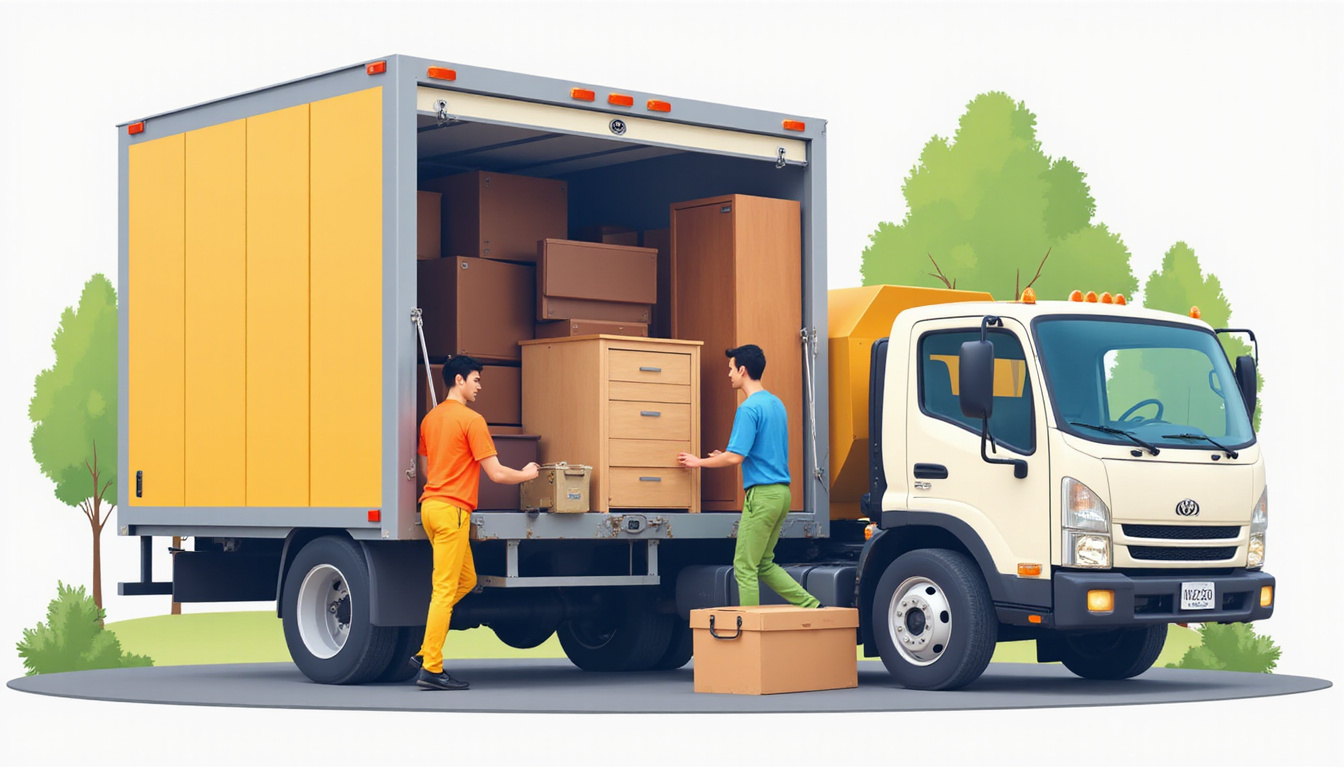
Place items with flat or square shapes on the bottom or against truck walls. Bulky or oddly shaped items should follow in an interlocking pattern to reduce gaps.
2. Use Compression When Possible
For compressible materials like cardboard, fabric, or foam, flatten or compact them before loading.
3. Fill Voids
Use smaller loose items to fill empty spaces, preventing shifting and maximizing space.
4. Disassemble Large Items
Taking apart bulky furniture or appliances allows for better stacking and saves room.
By thoughtfully stacking and compacting junk, you can fit more into your truck and lower your overall hauling costs.
Maintain Cleanliness and Safety During Loading and Unloading
A clean and organized workspace in and around your junk removal truck can speed up the process and reduce accidents:
- Clear walkways around the truck.
- Keep tools and equipment organized and within reach.
- Wear safety gear such as gloves, steel-toe boots, and back support.
- Empty the truck systematically to avoid creating hazards.
A commitment to safety and cleanliness pays dividends in efficiency and prevents injuries.
Summary: Key Junk Removal Truck Loading Tips
Here is a quick checklist to remember when loading your junk removal truck:
- Plan and sort junk before loading.
- Load heavy items first and minimize load height.
- Distribute weight evenly across the truck.
- Protect fragile items with padding and secure with straps.
- Use smart stacking and compacting to maximize space.
- Separate hazardous materials appropriately.
- Maintain a safe and clean work area.
Frequently Asked Questions (FAQs)
Q1: What is the best way to organize bulky junk in a junk removal truck?
A1: Start by loading heavy, bulky items like furniture and appliances on the bottom near the truck’s front. Stack them securely and fill spaces with smaller junk to lock the load in place.
Q2: How can I maximize space in a junk removal truck?
A2: Use compacting techniques such as flattening cardboard, disassembling large items, and filling voids with small, loose materials. Stack items smartly by shape and compatibility to reduce gaps.
Q3: Are there weight limits I should be aware of when loading a junk removal truck?
A3: Yes, always know your truck’s gross vehicle weight limit (GVWR) and cargo volume. Avoid overloading to ensure safety, legally comply with transportation rules, and protect your vehicle.
Final Thoughts and Call to Action
Effectively loading and organizing your junk removal truck transforms a potentially chaotic job into a controlled, efficient process. By applying these tips, you can save time, reduce costs, and ensure safety on every junk haul. Whether you’re a seasoned junk removal professional or tackling a one-time cleanout, proper preparation and organization make all the difference.
Ready to optimize your junk removal operations? Start implementing these strategies today and experience a smoother, more productive hauling experience. For more expert advice on junk removal and truck maintenance, visit trusted industry sources like the Environmental Protection Agency (EPA) or local hauling services for further guidance (source).
Don’t let your junk removal truck become an obstacle—turn it into your greatest asset!
Junk Guys San Diego
Phone: 619-597-2299
Website: www.junkguyssd.com
Email: junkguyssd619@gmail.com