
Owning or managing property comes with many responsibilities, and hazardous waste removal is one of the most critical—yet often overlooked. Whether you’re dealing with old paint cans in a garage, cleaning up after a renovation, or managing a commercial facility, improper handling of hazardous materials can harm people, property, and the environment. Understanding what counts as hazardous waste, how to store it, and how to dispose of it safely is essential for every property owner.
Below is a practical guide to help you recognize, manage, and safely remove hazardous waste from residential, commercial, and investment properties.
What Is Hazardous Waste, Really?
Before you can manage hazardous waste, you need to know what qualifies as “hazardous.”
In general, hazardous waste is any material that can be harmful to human health or the environment if it is not handled, stored, or disposed of properly. Regulatory agencies like the U.S. Environmental Protection Agency (EPA) classify hazardous waste based on four main characteristics (source: EPA Hazardous Waste):
- Ignitable – Easily catches fire (e.g., gasoline, solvents, some paints).
- Corrosive – Can corrode metal or burn skin (e.g., strong acids and bases, drain cleaners).
- Reactive – Can explode or release toxic gases under certain conditions (e.g., old fireworks, some chemicals).
- Toxic – Harmful or fatal when ingested or absorbed, or toxic to the environment (e.g., pesticides, certain electronics, batteries).
Common examples of hazardous waste on properties include:
- Old paint, paint thinners, and varnishes
- Pesticides, herbicides, and fertilizers
- Automotive fluids (oil, antifreeze, brake fluid)
- Cleaning chemicals and degreasers
- Pool chemicals
- Batteries (lead-acid, lithium-ion, NiCd)
- Fluorescent bulbs and CFLs
- Electronics (e-waste) containing lead, mercury, or other heavy metals
- Asbestos-containing materials
- Medical or sharps waste in some settings
Knowing what you’re dealing with is the first step toward safe hazardous waste removal.
Why Hazardous Waste Removal Matters for Property Owners
Ignoring hazardous waste is more than just a housekeeping issue. It creates real risk on several fronts:
Health and Safety Risks
- Acute exposure: Fumes from solvents, pesticides, or cleaners can cause headaches, dizziness, burns, or respiratory distress.
- Chronic exposure: Long-term contact with certain chemicals can contribute to serious health conditions, including neurological problems or cancer.
- Fire and explosion: Improperly stored fuels, aerosols, or reactive materials can turn a minor incident into a catastrophic fire.
Environmental Damage
Pouring hazardous liquids down drains, storm sewers, or onto the ground contaminates soil and water, harming wildlife and potentially affecting drinking water supplies. Even a small spill can have outsized impact if not handled correctly.
Legal and Financial Liability
Property owners can be held responsible for:
- Violations of local, state, or federal hazardous waste rules
- Cleanup of contamination on their land (and sometimes neighboring properties)
- Fines, legal fees, and loss of property value
In rental or commercial properties, inadequate hazardous waste removal can also lead to tenant complaints, lost leases, and reputational damage.
Step 1: Identify Hazardous Materials on Your Property
You can’t manage what you haven’t found. Start with a systematic walkthrough of your property.
Where to Look
- Garages and sheds: Paint, solvents, fuel, automotive products, pesticides.
- Basements and utility rooms: Old cleaners, construction materials, pool chemicals.
- Kitchens and bathrooms: Strong cleaners, drain openers, bleach-based products.
- Mechanical rooms / workshops: Lubricants, adhesives, chemical strippers.
- Commercial spaces: Specialty chemicals, inks, lab supplies, industrial cleaners.
How to Recognize Hazardous Waste
Check containers for:
- Signal words: Danger, Warning, Caution
- Pictograms: Flame, skull and crossbones, corrosion, exclamation mark, etc.
- Phrases: “Flammable,” “Corrosive,” “Poison,” “Toxic,” “Oxidizer”
If labels are missing or illegible, treat the material as hazardous and consult a professional for identification rather than guessing.
Step 2: Safe Storage Before Hazardous Waste Removal
Once you’ve identified hazardous items, it’s crucial to store them safely until you can arrange proper disposal.
Basic Storage Rules
- Keep in original containers whenever possible, with labels intact.
- Never mix chemicals (e.g., bleach with ammonia, acids with bases). Mixing can release toxic gases or cause explosions.
- Use secondary containment such as trays or tubs to catch leaks.
- Store upright, tightly sealed, and away from heat sources or open flames.
- Separate incompatibles (e.g., acids away from bleach or oxidizers, fuels away from oxidizers).
Location Considerations
- Choose a cool, dry, well-ventilated area.
- Keep hazardous materials out of living spaces and away from children and pets.
- For multi-unit or commercial properties, use locked, clearly labeled storage rooms to prevent unauthorized access.
Safe interim storage is a critical part of the hazardous waste removal process—especially if there will be any delay before pickup or drop-off.
Step 3: Never Use Regular Trash or Drains
One of the most dangerous mistakes property owners make is treating hazardous materials like ordinary garbage.
Avoid these at all costs:
- Pouring chemicals, paints, or medications down sinks, toilets, or storm drains
- Tossing batteries, fluorescent bulbs, or solvents in regular trash
- Burning household or yard waste that includes plastics, treated wood, or chemicals
Municipal landfills and wastewater systems are not designed to handle hazardous waste. Using them improperly can cause fires, release toxic fumes, and pollute air and water.
If you’re not 100% sure an item is safe to throw away or pour down a drain, assume it requires specialized hazardous waste removal.
Step 4: Use Local Hazardous Waste Programs and Drop-Off Sites
Most communities offer some form of hazardous waste collection for residents and businesses.
How to Find Local Options
- Check your city, county, or state environmental agency website.
- Search for terms like “household hazardous waste collection,” “HHW disposal,” or “hazardous waste drop-off near me.”
- Contact your waste management provider to ask about special collection days or designated sites.
Commonly accepted items include:
- Paints and solvents
- Pesticides and fertilizers
- Automotive fluids and fuels
- Cleaners, pool chemicals, and aerosols
- Batteries and fluorescent bulbs
- Some electronics and e-waste
Follow any instructions provided about packaging and limits. Many programs require:
- Items to be in clearly labeled containers
- No leaking or overfilled containers
- Separation of different chemical categories
Step 5: When to Call Professional Hazardous Waste Removal Services
Some situations go beyond what a regular household or small business program can safely handle. In these cases, hiring a licensed hazardous waste removal contractor is the safest, and often required, choice.
Scenarios That Call for Professionals
- Large quantities of hazardous materials (estate cleanouts, old workshops, industrial spaces).
- Unknown or unlabeled chemicals stored for years.
- Commercial or industrial waste streams subject to stricter regulations.
- Asbestos, lead-based paint, mold, or biohazards requiring specialized abatement.
- Spills or contamination affecting soil, groundwater, or building materials.
What Professionals Provide
- Proper classification, packaging, and labeling of waste.
- Transport using permitted vehicles and trained staff.
- Disposal or treatment at approved facilities.
- Documentation and regulatory compliance records (critical for businesses and property sales).
If you’re unsure whether your situation needs a professional touch, most reputable firms will offer consultations or site assessments.
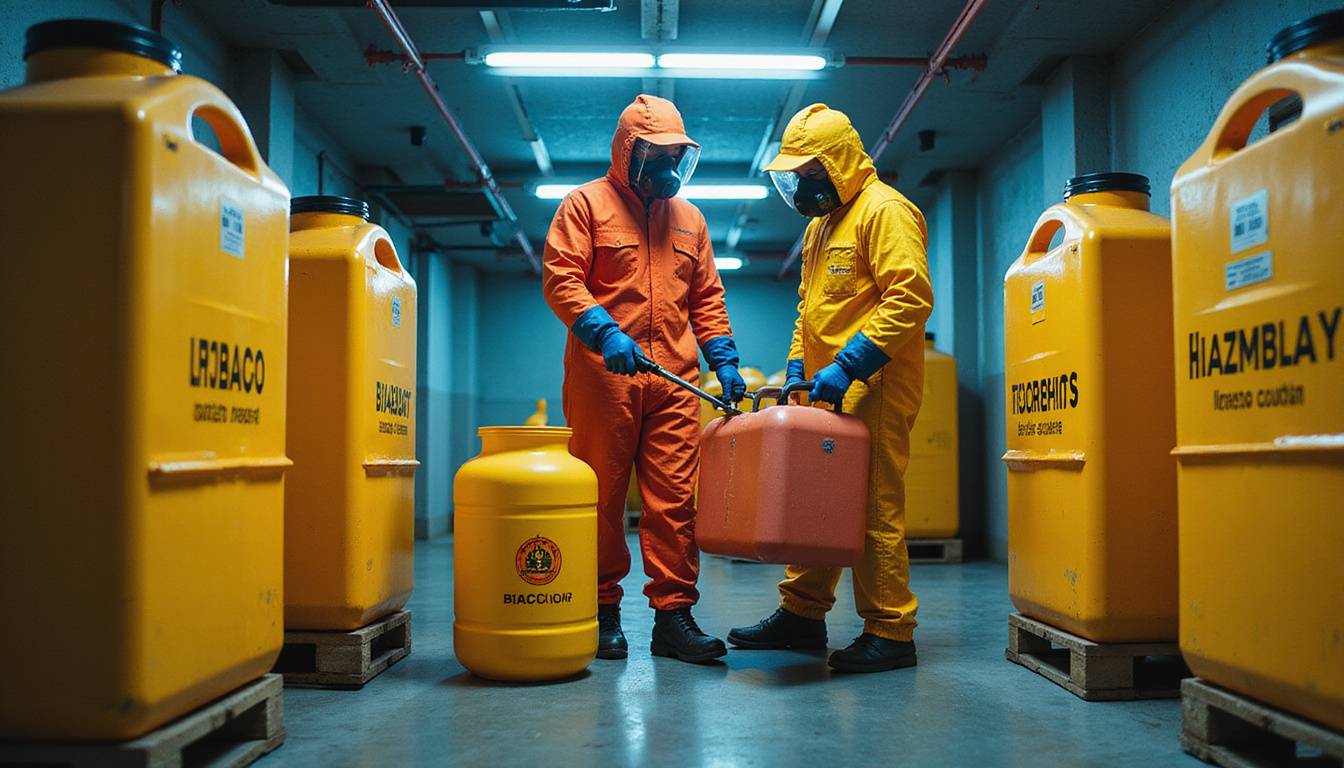
Safety Strategies for Everyday Handling
Even before final hazardous waste removal, how you handle these materials day-to-day can prevent accidents and reduce long-term risk.
Personal Protective Equipment (PPE)
When working with or moving hazardous materials, consider:
- Chemical-resistant gloves
- Safety glasses or goggles
- Long sleeves, long pants, and closed-toe shoes
- A respirator or mask, if fumes or dust are a concern (consult product labels)
Ventilation and Work Practices
- Always work in a well-ventilated area; outdoors is best when feasible.
- Avoid eating, drinking, or smoking near hazardous materials.
- Wash hands thoroughly after handling chemicals or waste.
- Keep a spill kit handy (absorbent materials, neutralizing agents, bags, labels).
A bit of preparation reduces the chance of accidents during storage, collection, and transport.
Special Cases: Renovations, Moves, and Property Sales
Significant changes to your property are prime opportunities to assess and improve hazardous waste management.
Renovations and Demolitions
- Test for asbestos and lead-based paint in older buildings. These require certified abatement professionals.
- Plan for construction and demolition (C&D) waste that may contain hazardous components, such as treated wood or certain adhesives.
- Coordinate hazardous waste removal early in the project to avoid delays and surprises.
Moving or Selling Property
- Clear out old chemicals, paints, and other hazardous items in garages, basements, and sheds.
- For commercial properties, ensure waste manifests and disposal records are organized; buyers and lenders increasingly expect documentation.
- Address any known contamination issues proactively to avoid complicating the sale process.
Thoughtful hazardous waste removal can boost property appeal and prevent last-minute deal-killers.
Simple Checklist for Property Owners
Use this quick list to structure your approach:
- Survey your property for chemicals, fuels, and suspect materials.
- Identify and label anything hazardous or unknown.
- Consolidate and store safely in a secure, well-ventilated area.
- Contact local authorities or programs about accepted hazardous items.
- Schedule drop-off, pickup, or professional services as needed.
- Document what was removed, especially for rental or commercial properties.
- Update your routine (buy smaller quantities, choose safer alternatives, review storage annually).
FAQ About Hazardous Waste and Property Management
1. How do I dispose of hazardous materials from my home safely?
Use your local household hazardous waste removal program or drop-off site. They typically accept items like paints, solvents, pesticides, and automotive fluids. Never pour chemicals down drains or throw them into regular trash; instead, store them securely until the next collection event or appointment.
2. Do I really need professional hazardous waste removal services for a small business?
If your business generates hazardous waste regularly—such as a mechanic shop, printing business, medical office, or manufacturing facility—you are likely subject to specific regulations. Professional commercial hazardous waste disposal helps ensure you classify, store, transport, and document waste correctly, reducing legal and safety risks.
3. What should I do with old paint, cleaners, and chemicals after a renovation?
Set aside all leftover materials in a well-ventilated, secure area. Check product labels for disposal guidance, then contact your local municipality or a hazardous waste pickup service. Many areas offer special days for paint and chemical collection, and some retailers take back specific items like paint or fluorescent bulbs.
Protect Your Property, People, and Investment
Hazardous waste removal isn’t just a regulatory box to check—it’s a core part of protecting your property, the people who use it, and your long-term investment. By identifying hazardous materials, storing them safely, avoiding drains and regular trash, and using appropriate local or professional removal services, you dramatically reduce health, environmental, and legal risks.
If you’re facing a backlog of dangerous materials, planning a renovation, or managing multiple properties, now is the time to act. Reach out to your local hazardous waste program or a licensed hazardous waste removal company to schedule an assessment or pickup. A single, well-planned cleanup can restore peace of mind, safeguard your property, and keep your community safer for years to come.
Junk Guys San Diego
Phone: 619-597-2299
Website: www.junkguyssd.com
Email: junkguyssd619@gmail.com