
If you’re planning a home cleanout, renovation, or regular commercial waste service, dumpster pickup can be one of those sneaky line items that quickly blows your budget. The good news: with a bit of planning and insider know-how, you can dramatically cut your waste costs without sacrificing convenience or compliance.
This guide walks you through practical, people-first strategies to save money on dumpster pickup, avoid surprise fees, and still get exactly the service you need.
1. Know What You’re Really Paying For
To cut costs, you first need to understand what goes into the price of dumpster pickup. Most haulers base pricing on a mix of:
- Dumpster size (volume, usually in cubic yards)
- Weight limits (in tons)
- Rental duration (days or weeks)
- Type of debris (household trash, construction, yard waste, heavy materials, etc.)
- Location and distance from the landfill or transfer station
- Frequency of dumpster pickup (one-time vs. recurring service)
Many bills also include:
- Delivery and pickup fees
- Disposal or tipping fees at the landfill
- Overweight, contamination, or overfill charges
- Fuel surcharges or environmental fees
Get an itemized quote and ask the provider to explain each line. When you understand the drivers of cost, it’s much easier to target specific areas for savings.
2. Right-Size Your Dumpster (The Biggest Money Saver)
Overestimating your needs is one of the fastest ways to overpay for dumpster pickup. Renting a 30-yard dumpster “just in case” when you only need 15 yards means you’re paying for a lot of empty space.
Common Roll-Off Dumpster Sizes
- 10-yard: Small cleanouts, minor projects
- 15-yard: Apartment or mid-size home cleanout
- 20-yard: Kitchen/bath remodels, roofing jobs
- 30-yard: Large renovations, estate cleanouts
- 40-yard: Major construction or commercial projects
Tips to right-size:
- List what’s going in the dumpster. Furniture, appliances, drywall, roofing, yard waste—be specific.
- Use online volume calculators. Many haulers provide cubic-yard estimators based on room size or debris type.
- Send pictures to the hauler. A good provider can recommend the most cost-effective size if they can see your debris.
- Ask about “step-up” pricing. Some companies offer flexible pricing if you end up needing a slightly bigger size, instead of paying full price for a second dumpster.
Right-sizing often trims 15–30% off total dumpster pickup costs.
3. Choose the Right Service Type: One-Time vs. Ongoing Pickup
Not all dumpster pickup is the same. You’ll save money if you match the service type to your actual need.
One-Time Roll-Off vs. Permanent Front-Load
-
Roll-off dumpsters (open-top, 10–40 yards)
Best for: Renovations, cleanouts, short-term projects.
Charged as rental + weight + pickup/disposal. -
Front-load dumpsters (2–8 yards, lidded, on-site permanently)
Best for: Businesses, apartments, restaurants.
Charged as monthly service + scheduled pickups.
If you’re a business, running short-term projects with recurring waste, ask whether a short-term front-load contract or a series of roll-offs is cheaper. For large sites, combining both types can minimize total pickup runs.
4. Time Your dumpster pickup Strategically
The timing of your dumpster pickup affects both cost and efficiency.
- Avoid long idle periods. You pay rental fees for every extra day the dumpster sits unused.
- Schedule pickup near project completion. Fill it in a planned window instead of letting it sit half-full.
- Consider mid-week deliveries. Some haulers offer better availability and sometimes lower costs outside peak weekend demand.
- Plan around weather. Rain or snow can add water weight, potentially pushing you over your weight limit and increasing your dumpster pickup fees.
Build a simple timeline for your project, then coordinate delivery and pickup tightly around the work you’ll be doing.
5. Reduce Weight Before the Hauler Arrives
Most dumpster pickup pricing includes a weight limit. Going over it leads to steep overage charges. A few strategic moves can dramatically cut weight:
- Separate heavy materials. Concrete, dirt, brick, and roofing shingles are much heavier than household junk.
- Ask about “clean load” pricing. A dumpster filled with only one type of heavy material (like clean concrete) is often cheaper to dispose of because it can be recycled more easily.
- Keep out liquids and wet debris. Wet dirt, soaked carpets, and waterlogged trash escalate the scale reading fast.
- Use curbside or special recycling. Electronics, appliances, scrap metal, and cardboard can often be recycled separately at low or no cost.
By managing what goes in the bin before dumpster pickup, you can prevent costly overweight surprises.
6. Avoid Common Fee Traps
Many of the most painful dumpster pickup costs are avoidable with a little planning.
Watch Out for These Extra Charges
- Overfilling the dumpster. Debris that rises above the top rail or hangs over the sides can trigger extra fees or refusal to haul (forcing you to pay for another pickup).
- Blocked access. Cars, equipment, or locked gates that prevent the truck from reaching the dumpster can result in “dry run” fees.
- Prohibited items. Things like tires, paint, chemicals, batteries, and some electronics are often banned from general dumpsters. If they’re found during pickup or at the landfill, you may pay hazardous or special handling fees.
- Last-minute schedule changes. Same-day or emergency dumpster pickup often comes at a premium.
Before your dumpster pickup date:
- Clear a path for the truck.
- Double-check for prohibited items.
- Level the load inside the dumpster, keeping debris below the rim.
- Confirm the pickup time and contact person on-site.
7. Compare Quotes The Smart Way (Not Just by Price)
It’s tempting to grab the cheapest price you see online, but dumpster pickup quotes are rarely apples-to-apples.
When comparing providers, make sure you align:
- Dumpster size (actual cubic yards)
- Weight allowance (tons included in the base rate)
- Rental period length and extra day charges
- Included pickups (for long-term commercial service)
- Disposal/tipping fees (included or separate?)
- Additional fees (fuel, environmental, admin, etc.)
Ask each provider the same set of questions. Sometimes the “cheapest” option has a lower base rate but much stricter weight limits or more hidden fees, making your total dumpster pickup cost higher.
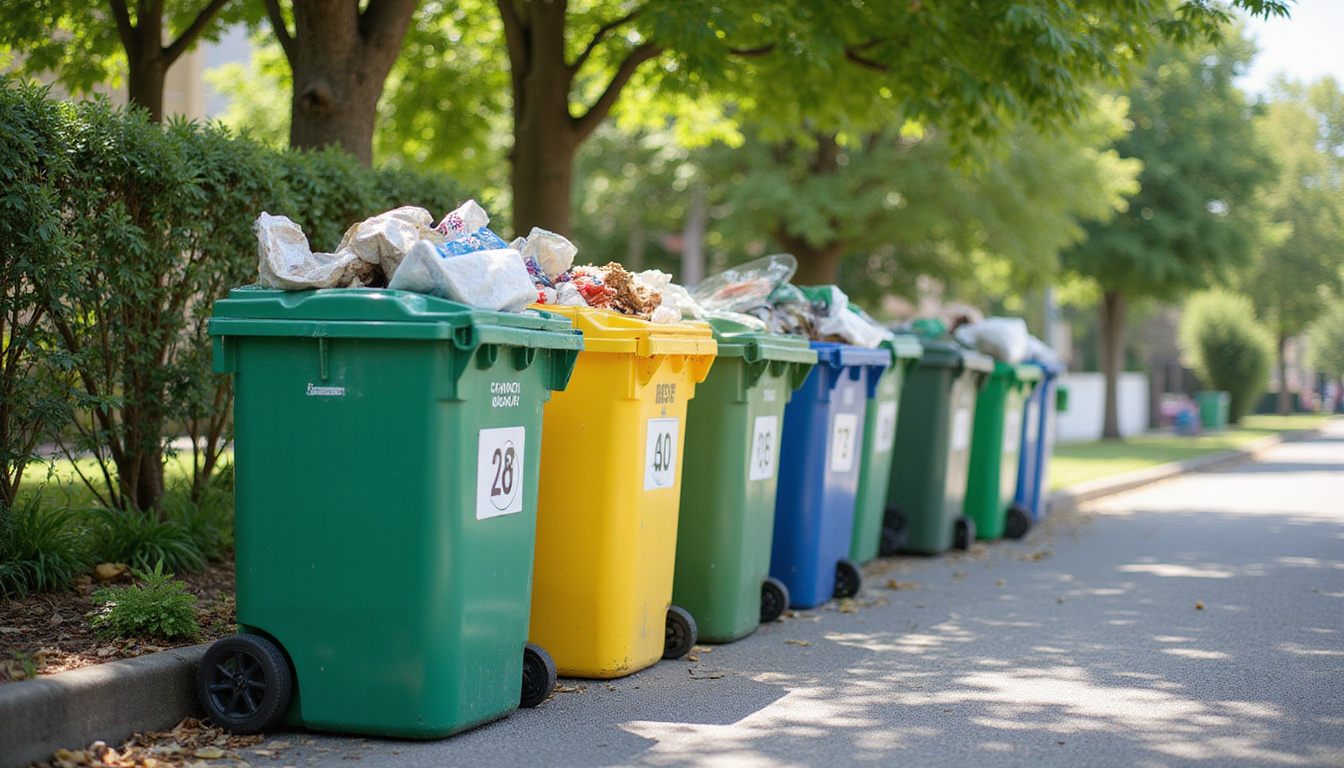
For longer-term or high-volume needs, you can also ask about:
- Multi-month or multi-site discounts
- Prepaid or auto-pay discounts
- Bundled recycling and waste services
8. Share a Dumpster to Split Costs
For residential projects or small contractors, one of the simplest ways to cut dumpster pickup costs is to share the bin.
Ways to do this:
- Neighbors doing cleanouts. Coordinate with friends or neighbors who also have clutter to clear. Split the rental and pickup costs.
- Multi-unit properties. Landlords can schedule one larger shared dumpster rather than multiple small ones.
- Small contractors on the same street. If two or three crews are working nearby, one shared construction dumpster with an extra pickup can be cheaper than separate rentals.
If you share, set clear rules about:
- What can and cannot go into the dumpster
- When the dumpster pickup will occur
- How overages or extra fees will be divided
9. Use Recycling and Donation to Shrink Your Load
Every item you don’t put in the dumpster is something you’re not paying to haul and dump.
Before you fill the bin:
- Donate usable items. Furniture, appliances, clothing, and tools may be accepted by local nonprofits or thrift stores.
- Use local recycling programs. Many municipalities provide separate collection for electronics, metals, cardboard, and yard waste at low cost (source: U.S. EPA).
- Sell or give away online. Platforms like Facebook Marketplace or local “Buy Nothing” groups can help rehome bulky items.
By diverting even 10–20% of your debris through donation and recycling, you can step down a size or avoid an overweight fee on your dumpster pickup.
10. For Businesses: Optimize Pickup Frequency and Container Mix
If you’re managing waste for a business, multifamily property, or construction site, recurring dumpster pickup can be a major operating expense. A few tweaks can deliver long-term savings.
Audit Your Service
- Are containers constantly overflowing before pickup?
- Or are they leaving half-empty most weeks?
You might need:
- Larger containers with fewer pickups, or
- Smaller containers with more targeted pickup days
Consider a Mixed Strategy
- A permanent front-load dumpster for everyday waste
- Temporary roll-offs during peak seasons, moves, or renovations
Track your waste volume and weight for a month or two, then adjust your dumpster pickup schedule based on real data, not guesswork.
11. Know Your Local Rules and Permit Requirements
In many cities, placing a dumpster on a public street or sidewalk requires a permit. Failing to secure one can mean fines or forced removal, plus another dumpster pickup fee when you have to move or replace it.
Before delivery:
- Ask your hauler if a permit is required for your location.
- Check your city or county website for “temporary dumpster,” “roll-off container,” or “street use” permits.
- Factor permit cost and processing time into your schedule.
Following local rules may add a small upfront cost but prevents much larger penalties and delays.
12. Simple Checklist to Lower Your dumpster pickup Costs
Use this short list as a practical guide before you book:
- Define your debris types and rough volume.
- Right-size the dumpster with help from your provider.
- Separate heavy materials (ask about clean-load pricing).
- Confirm included weight, rental days, and all fees.
- Plan tight delivery and dumpster pickup dates around your project.
- Keep out prohibited items and liquids.
- Level the load and avoid overfilling.
- Explore sharing the dumpster with neighbors or partners.
- Divert reusable and recyclable items first.
- Revisit pickup frequency and container mix if you’re a business.
FAQ: dumpster pickup and Cost-Saving Tips
Q1: How much does dumpster pickup usually cost?
Costs vary widely by region and dumpster size, but for a typical 10–20-yard residential dumpster with a one-time pickup, you might see ranges from $300 to $600 including delivery, rental, and disposal. For commercial containers with scheduled dumpster pick up service, businesses generally pay a monthly rate based on container size and pickup frequency.
Q2: What affects the price of residential dumpster pick-up the most?
The three biggest cost drivers for residential dumpster pickup are dumpster size, weight of the debris, and your distance to the landfill or transfer station. Overweight charges and extra rental days are two of the most common ways homeowners accidentally overspend.
Q3: Can I schedule same-day dumpster pick up and still save money?
Same-day or emergency dumpster pick up is possible in many areas, but it often comes with premium pricing. To save money, schedule at least a few days in advance, be flexible on delivery times, and consider mid-week service when demand is lower.
Final Thoughts: Take Control of Your dumpster pickup Costs
You don’t need to be a waste management expert to save real money on dumpster pickup—you just need to plan ahead, ask the right questions, and be intentional about what goes in the bin. By right-sizing your container, avoiding hidden fees, and timing your pickup well, you can keep your project clean and on schedule without overspending.
If you’re ready to put these tips into action, start by listing your debris and requesting a detailed, transparent quote from a reputable local hauler. Ask them to walk through size, weight limits, and all potential fees up front. With a smart plan and the right partner, your next dumpster pickup can be simple, stress-free, and far more affordable than you thought.
Junk Guys San Diego
Phone: 619-597-2299
Website: www.junkguyssd.com
Email: junkguyssd619@gmail.com