
Getting rid of clutter and doing good at the same time is a satisfying win — especially when a smooth donation pickup turns a tedious chore into a quick, meaningful action. Whether you’re clearing out a closet, staging a home, or simply making room, smart donation pickup planning helps you maximize the value of your items and minimize the effort required.
Why donation pickup matters
Donation pickup saves time, prevents back-and-forth trips to drop-off centers, and helps charities accept larger donations — furniture, appliances, and bulk boxes — that would otherwise be wasted. When done right, it also increases tax benefits and ensures your items go to people or programs that need them most.
Choose the right organization
Not all charities operate the same way. Some focus on clothing and small household items, others accept furniture and appliances, and a few provide pick-up only for certain neighborhoods or donation sizes. Before scheduling a donation pickup:
- Confirm what the organization accepts.
- Ask whether they provide a receipt for tax purposes.
- Check whether pick-up is curbside or in-home (some offer heavy-lift teams).
Major national nonprofits such as Goodwill and The Salvation Army frequently offer scheduled donation pickup in many cities; local charities, religious organizations, and community reuse centers may also provide convenient options.
Prepare items to maximize value
Simple preparation increases the likelihood your items will be accepted and resold rather than recycled or discarded. Clean clothing, test electronics, and repair minor issues if cost-effective. For tax deductions, make a list of major items, and keep the pick-up receipt for your records (see IRS guidance for donated property valuation) (https://www.irs.gov/publications/p561).
7-step checklist to prepare for donation pickup
- Sort and separate: Create piles for keep, donate, recycle, and trash.
- Inspect and clean: Launder clothing, dust furniture, and wipe down appliances.
- Test electronics: Plug them in and confirm they work; include chargers and remotes.
- Disassemble if needed: Remove legs from tables or detach shelves for safer transport.
- Photograph big-ticket items: Take photos for both the charity and your records.
- Document and value: Note approximate value of major items for tax purposes.
- Confirm logistics: Reconfirm pick-up time, location (curbside vs. indoor), and contact number.
Maximize tax and resale value
To maximize value, donate items that are clean and in good, usable condition. For tax deductions, the IRS allows you to deduct the fair market value of items donated to qualified charities. If you donate valuable items — antiques, high-end furniture, or designer clothing — consider getting an appraisal. Always get a written receipt from the charity for donations over $250 and keep good records. For official valuation guidance, see IRS Publication 561 (https://www.irs.gov/publications/p561).
Safety and timing considerations
Schedule donation pickup during daylight hours when possible, and clearly mark or group items to make pick-up smooth. If the charity is doing curbside pickup, place items at the curb only at the agreed time to avoid theft or weather damage. For bulky items that require in-home pickup, confirm the organization’s heavy-lift policy and whether staff will enter your home or request that items remain just inside the doorway.
Eco-friendly tips
When charities can’t take certain items, look for reuse or recycling options first. Electronics and mattresses often require special handling; many municipalities or retailers have recycling programs. Don’t put hazardous materials in donation piles — items like paint, chemicals, and car parts should go to appropriate disposal facilities.
How to choose between free pickup services and paid haulers
Many charities offer free donation pickup, but availability varies. Free pickups are ideal for high-volume donations and support nonprofit revenue streams. Paid pickup services (for-profit haulers or junk removal) may accept a wider variety of items, including damaged goods, but proceeds don’t support charity missions. If supporting a nonprofit is important, prioritize charities with reliable donation pickup services, even if scheduling takes a little longer.
What to do with items that are not accepted
If an organization declines certain items at pickup, have a backup plan:
- Recycle electronics and batteries at designated drop-off centers.
- Use online marketplaces to sell gently used high-value items.
- Contact specialized charities for items like medical equipment or building materials.
Communicating clearly with the pickup team
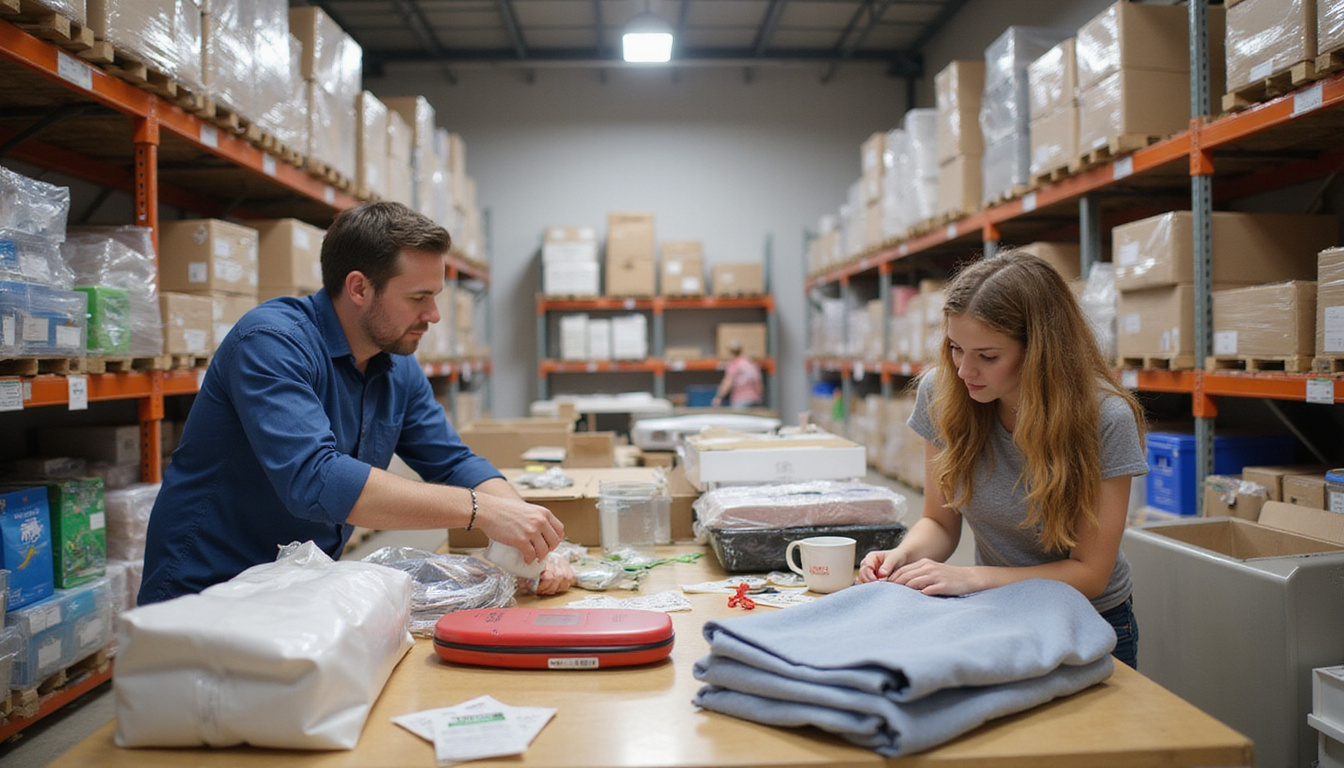
Clear labeling and communication reduce disputes and make the process faster. Label large items with sticky notes that list the item and whether it’s assembly-required or needs a donation receipt. Provide clear directions to your home if it’s in a tricky location, and be ready with ID or authorization if the charity requests it.
Tracking and follow-up
After the pickup, check that you received a donation receipt. Take photos of the items in place before pickup for your records and for tax documentation. If you’re claiming a deduction, keep all documentation for at least three years in case of audit.
Common mistakes to avoid
- Donating items in poor condition that charities will throw away — this wastes their resources.
- Forgetting to get a receipt for large donations.
- Not confirming what’s allowed in your neighborhood’s donation pickup program.
FAQ — quick answers about donation pickup
Q: How do I schedule a donation pickup?
A: Many charities have an online scheduling form or phone line; locate the “donation pickup” page on the nonprofit’s website, fill in details about what you’re donating, and choose a time. Drop-off options are often available if pickup dates are limited.
Q: What’s the difference between donation pickup and donation drop-off?
A: Donation pickup means the organization collects items from your home (curbside or in-home), while donation drop-off requires you to transport items to a donation center. Pickup saves time but may have size or location limits.
Q: Can I get a tax receipt from a donation pickup service?
A: Yes, reputable charities provide donation pickup receipts. For noncash gifts above $250, you must get a written acknowledgment from the charity to claim a deduction; keep photos and a list of items too.
Choosing the right charity for maximum impact
If maximizing the social benefit of your donation is a goal, research charities’ missions and how they use donated goods. Some organizations prioritize low-income families, job training programs, or local disaster relief. Others resell items to fund community services. Reading annual reports or asking the charity directly how they allocate proceeds can help you decide where to schedule a donation pickup.
Making pickup day painless
On the day of pickup, have a path cleared from the donation location to the curb and make sure pets are secured. If you can’t be present, designate an agent and notify the charity. Be available by phone in case the pickup team encounters an issue. If a charity needs to reschedule, try to be flexible but set a new date within a week to avoid logistics falling through.
Final checklist before you call for pickup
- Items sorted, cleaned, and labeled
- Photos taken for records
- Receipt or acknowledgment requested
- Pick-up location and time confirmed
One authoritative resource to learn more about the tax rules for donated property is IRS Publication 561, which explains how to determine and document the fair market value of donated items (https://www.irs.gov/publications/p561).
Ready to make the most of your next donation pickup?
Donating doesn’t have to be a burden. With a little prep — cleaning, documenting, and choosing the right organization — donation pickup can be a fast, effective way to clear clutter, support a cause, and potentially lower your tax bill. Schedule your donation pickup with a reputable charity today, and turn things you no longer need into meaningful help for others.
Call to action
Have items ready to donate? Find a local charity offering donation pickup now and book a convenient slot. If you need help deciding what to donate or how to document items for tax purposes, contact your chosen charity’s pickup coordinator for a quick consultation and make your next donation pickup the easiest one yet.
Junk Guys San Diego
Phone: 619-597-2299
Website: www.junkguyssd.com
Email: junkguyssd619@gmail.com