
Sauna removal might not be the first thing that comes to mind when you think about increasing your property’s value, but for many homeowners, it’s a surprisingly effective strategy. Whether you inherited an outdated basement sauna, bought a home with a clunky garage steam room, or built one years ago that no longer fits your lifestyle, removing it can unlock hidden space, improve functionality, and make your home more attractive to today’s buyers.
Below are 10 smart, value-focused ways to approach sauna removal so you boost both livability and resale potential.
1. Start With a Realistic Value vs. Use Assessment
Before taking on sauna removal, step back and evaluate whether the sauna is actually hurting or helping your home’s value.
Ask:
- Do we (or future buyers) realistically use this sauna more than a few times a year?
- Is the sauna taking up prime real estate (e.g., a large bathroom, a spacious walk-in closet, or part of a finished basement)?
- Does it look dated, worn, or DIY in a way that might concern buyers?
- Would this square footage be more marketable as something else (home office, storage, extra bedroom)?
In some high-end or cold-climate markets, a modern, well-maintained sauna can be a selling point. However, in many average suburban homes, buyers see an old sauna as wasted space or a renovation project they don’t want to fund. If the answers above lean negative, sauna removal can position your home more competitively.
2. Get a Professional Evaluation Before Demolition
Sauna removal is rarely just a matter of ripping out benches and calling it a day. Saunas often involve:
- Dedicated electrical circuits (especially for electric heaters)
- Moisture barriers and specialized insulation
- Ventilation systems
- Plumbing (for steam generators or nearby showers)
Hire a licensed electrician and, if applicable, a plumber or contractor to:
- Inspect the sauna’s wiring and breaker connections.
- Identify any moisture or mold issues behind wall panels.
- Confirm whether any structural elements are integrated into sauna framing.
- Provide removal and remediation cost estimates.
This step ensures you avoid safety hazards and unexpected costs—and it gives you documentation you can use later to reassure buyers that any former sauna space is now properly converted and safe.
3. Remove the Heater and Utilities First (Safely)
Once you decide on sauna removal, the utilities are the first and most critical piece:
- Electric heater: Have an electrician disconnect and remove the sauna heater from the dedicated circuit, cap wires safely, and update your electrical panel labels.
- Steam or gas units: If it’s a steam or gas-based system, you’ll need a qualified HVAC or plumbing pro to disconnect and cap lines properly.
- Controls and thermostats: Remove wall-mounted controls and related wiring, patching and insulating where necessary.
Taking care of utilities first eliminates risk during physical demolition and helps you plan future uses of that electrical capacity—such as adding more outlets or lighting in your newly reclaimed space.
4. Tackle Panels, Benches, and Insulation Methodically
After utilities are safely disconnected, the rest of the sauna removal process becomes more like a standard interior demo project:
- Take out benches and supports: Start by removing all seating, support braces, and any removable wood elements.
- Disassemble wall and ceiling panels: Carefully pry off tongue-and-groove panels to check the condition of studs and insulation behind them.
- Inspect for moisture damage: Look for dark staining, soft wood, or mold on studs or insulation. These issues must be addressed before you convert the space.
- Remove specialized insulation/vapor barriers: Saunas typically use foil or specialized vapor barriers. Removing or adapting these properly is crucial to prevent condensation problems in the new room.
Label and store any wood that’s still in good condition—you may be able to reuse cedar or hemlock for other projects like accent walls, shelves, or outdoor planters.
5. Address Moisture and Ventilation to Protect Long-Term Value
Proper moisture remediation is one of the most important steps in sauna removal if you want your upgrade to add—not subtract—value.
Key actions:
- Dry everything thoroughly: Use fans and a dehumidifier to fully dry the space once panels are removed.
- Treat mold or mildew: If you see any signs of mold, use professional remediation or follow EPA guidelines for safe cleanup (source: U.S. EPA Mold Resources).
- Re-think ventilation: Decide whether existing vents should be sealed, repurposed, or upgraded to suit the new room’s purpose.
Creating a dry, well-ventilated space reduces the risk of future problems that could alarm home inspectors and turn off buyers.
6. Choose a High-ROI New Purpose for the Space
The real value in sauna removal comes from what you do next. Transforming a specialized, low-use room into broadly appealing living space is where you gain equity.
High-ROI conversions include:
- Home office: Strongly in demand, especially in remote-work eras.
- Walk-in closet or dressing room: Especially valuable near a primary bedroom.
- Expanded bathroom: Turn a cramped bath into a spa-like retreat without the high operational cost of a sauna.
- Fitness or yoga room: A small but dedicated workout space resonates with many buyers.
- Storage or pantry: In smaller homes, extra organized storage is a big win.
Your choice should match neighborhood expectations. In a modest 3-bedroom, making a fourth bedroom often adds more value than a niche relaxation area.
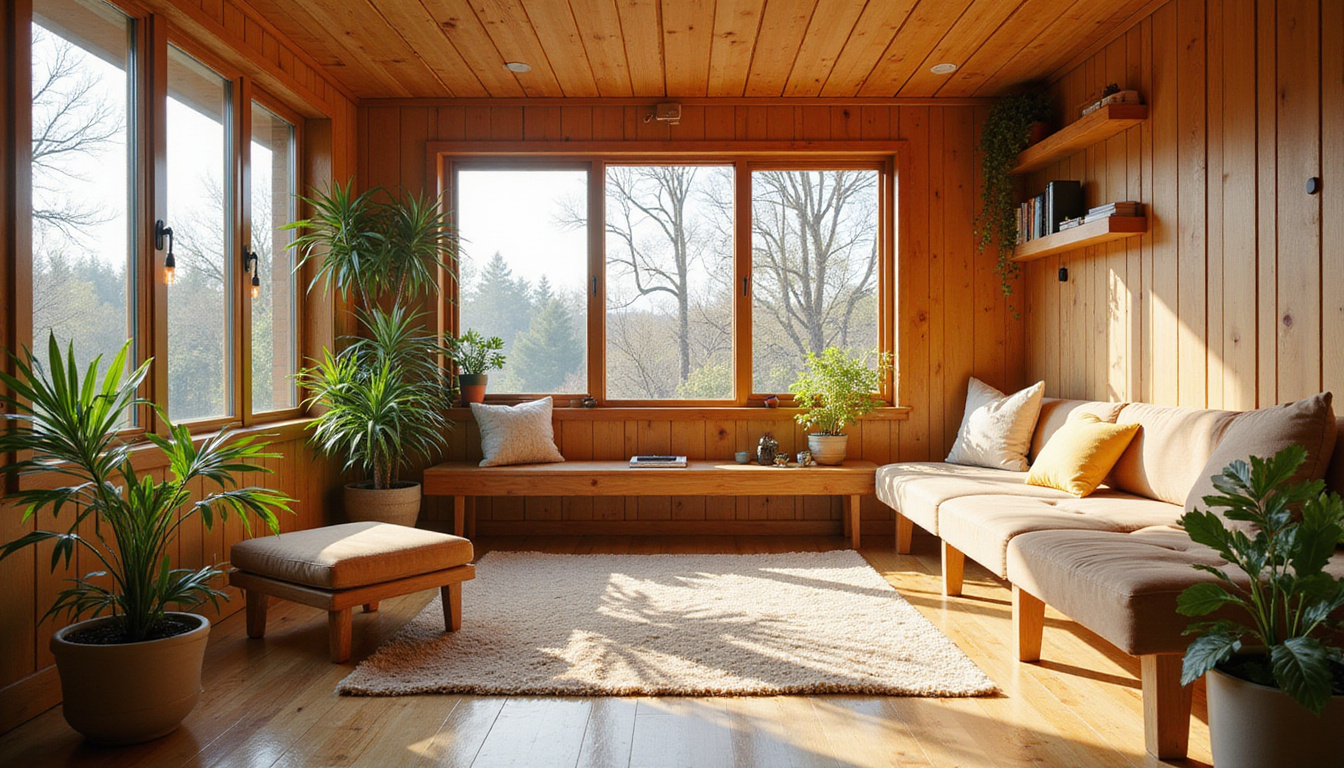
7. Upgrade Surfaces for a Modern, Neutral Look
Once the sauna is gone and the space is dry and insulated correctly, focus on finishes that appeal to the widest audience:
- Walls: Install drywall, prime, and paint in neutral tones (soft white, greige, light beige).
- Floors: Choose durable materials appropriate to the room’s purpose—LVP, tile, or quality carpet.
- Lighting: Replace dim sauna lights with brighter, modern fixtures; add recessed lighting or task lighting as needed.
- Doors and trim: Update doors, casings, and baseboards to match the rest of the house, erasing any “converted sauna” feel.
A cohesive finish that makes the room look original to the home—not like an obvious conversion—does more for value than high-end but mismatched materials.
8. Document the Sauna Removal for Future Buyers
Transparency builds trust. Keep a clear record of the sauna removal and conversion process:
- Before-and-after photos
- Contractor invoices and permits, if applicable
- Notes on electrical/plumbing changes
- Mold or moisture tests, if performed
- Material warranties (flooring, paint, windows, etc.)
When it’s time to sell, your agent can use this documentation to:
- Reassure buyers that the previous sauna space was professionally addressed
- Provide proof that any past moisture risk is resolved
- Highlight the newly usable square footage as a recent upgrade
Well-documented improvements often pass home inspections more smoothly and can support a higher asking price.
9. Decide Whether Any Sauna Elements Are Worth Saving
Full sauna removal isn’t always all-or-nothing. Sometimes, selectively preserving or repurposing elements can create unique appeal:
- Partial spa feel: In a bathroom, you might keep a small bench or accent wall of cedar to retain a spa-like ambience.
- Outdoor relocation: If buyers in your area value saunas, consider relocating the heater and some wood to create a compact, modern outdoor sauna instead.
- Design accents: Reuse high-quality sauna wood for shelving, feature walls, or custom storage.
This approach works best when the original sauna materials are high quality and in good condition, and when the design integrates seamlessly with the rest of the room.
10. Work With an Agent Who Understands Local Buyer Priorities
Real estate value is hyper-local. Before (or after) sauna removal, consult a local real estate professional who knows what buyers in your area actually want.
Ask them:
- Are buyers here excited about saunas or do they see them as dated?
- What room types (office, bedroom, bigger bath) bring the biggest price bump in our neighborhood?
- How should we stage and describe the converted space in listings?
An experienced agent may recommend:
- Highlighting the “flex space” aspect (e.g., “ideal for office, fitness, or nursery”)
- Pricing strategically to reflect newly finished or reconfigured square footage
- Emphasizing low-maintenance living versus the upkeep and energy use of a sauna
Aligning your sauna removal and conversion with real market demand is how you translate a demo project into actual dollars.
Step-by-Step Sauna Removal Checklist
Use this quick checklist to keep your sauna removal project on track:
- Evaluate whether the sauna adds or subtracts value in your market.
- Get professional inspections (electrical, plumbing, moisture).
- Safely disconnect and remove the heater and any steam/gas units.
- Remove benches, panels, and specialized insulation.
- Inspect and remediate any moisture or mold issues.
- Update insulation, drywall, and ventilation as needed.
- Choose a new room function aligned with buyer demand.
- Install neutral, cohesive finishes and modern lighting.
- Document all work and keep receipts and photos.
- Stage and market the new space as a value-added feature.
FAQ About Sauna Removal and Home Value
1. Does sauna removal increase home value?
Sauna removal can increase perceived and actual home value when the freed space becomes something more universally desirable, like an office, extra bedroom, or larger bathroom. In many mainstream markets, buyers prefer flexible, daily-use spaces over a rarely used sauna.
2. How much does it cost to remove a built-in sauna?
Sauna removal costs vary widely based on size, utilities, and condition. A simple electric sauna with no moisture damage might cost a few hundred to a couple of thousand dollars to demo and convert. If you uncover mold, structural issues, or complex plumbing, costs rise—but so does the importance of addressing those issues before you sell.
3. Should I keep my sauna or convert it before selling my house?
If your sauna is modern, in excellent condition, and located in a market where spa amenities are prized, keeping it may help. However, if it looks dated, takes up valuable space, or concerns buyers about maintenance, sauna removal and conversion to a more functional room usually makes your home easier to sell and more broadly appealing.
Reclaiming a sauna from a one-note luxury into a flexible, modern space is one of those under-the-radar upgrades that can quietly transform how your home feels—and how it performs on the market. If you’re staring at an outdated sauna and wondering what to do next, now is the time to act: consult with a local agent, line up the right pros, and plan a smart sauna removal that unlocks the full potential of your square footage. Your future buyers—and your property value—will thank you.
Junk Guys San Diego
Phone: 619-597-2299
Website: www.junkguyssd.com
Email: junkguyssd619@gmail.com