
If you’ve ever stared at a dead fridge or rusty washing machine and thought, “This is just trash,” you’re leaving money on the table. Appliance scrapping is the process of breaking down old appliances and selling the valuable metals and components inside. Done the right way, it can turn “junk” into a steady side income—and for some people, even a full‑time business.
This guide walks you through how appliance scrapping works, what makes money, how to do it safely and legally, and how to maximize your profits without wasting time.
What Is Appliance Scrapping?
Appliance scrapping means:
- Collecting old or broken household and commercial appliances
- Disassembling them into parts and materials
- Selling metals (steel, copper, aluminum, brass) and sometimes electronics for cash at scrap yards or to specialized buyers
Common appliances for scrapping include:
- Refrigerators and freezers
- Washers and dryers
- Dishwashers
- Ovens and stoves
- Microwaves
- Air conditioners and dehumidifiers
- Water heaters
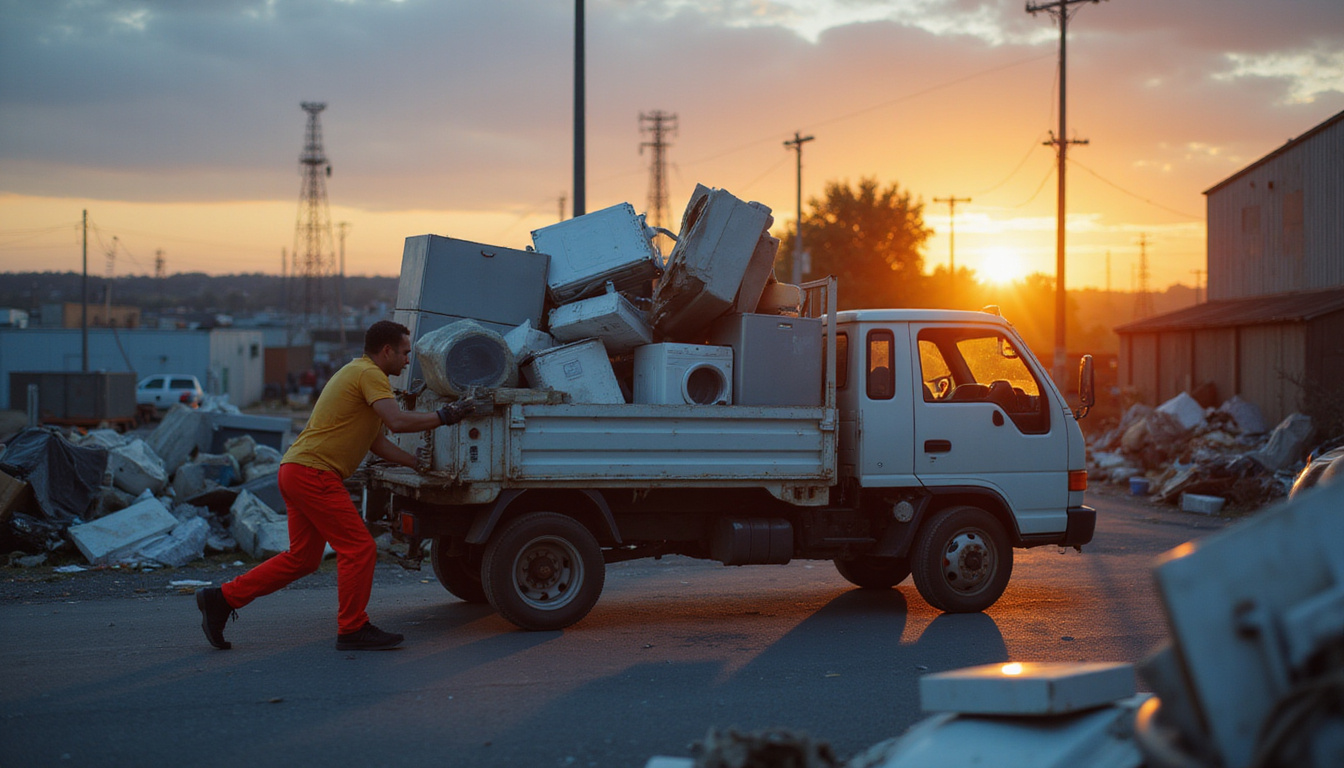
Many people just drop these items off at the dump or pay someone to haul them away. Appliance scrappers do the opposite: they get paid to pick them up, then earn again by selling the materials.
Why Appliance Scrapping Can Be Very Profitable
You won’t get rich from a single washing machine—but with volume and a system, appliance scrapping can be serious money.
Multiple Income Streams
You can earn from:
- Haul-away fees – Charge customers a small fee to remove their old appliances.
- Scrap metal value – Sell steel, copper, aluminum, and brass to scrap yards.
- Resale or refurbishing – Fix or part-out working components and sell them online.
- Bulk deals – Contract with landlords, property managers, or small businesses.
High Supply, Low Competition
Appliances are everywhere, and people constantly upgrade or replace them. Many:
- Don’t know where to dispose of them
- Don’t own a truck
- Don’t realize the items are valuable
That creates an opportunity for anyone willing to do the labor and learn the basics of appliance scrapping.
Know What’s Inside: Metals That Make You Money
Understanding what’s inside each appliance is the difference between earning pocket change and earning real money.
High-Value Metals
- Copper – The most valuable common metal you’ll see. Found in:
- Motors and compressors
- Power cords and wiring
- Coils (especially in AC units, fridges, and dehumidifiers)
- Aluminum – Lighter and less valuable than copper but still worth pulling:
- Some coils and radiators
- Frames, panels, and some drums
- Brass – Typically in:
- Valves and fittings
- Some water heater components
Lower-Value but High-Volume Metal
- Steel (and tin) – Major component of:
- Washers, dryers, ovens, and dishwashers
- Refrigerator and freezer cabinets
Steel pays less per pound than copper or aluminum, but appliances are heavy. A few units can mean a sizable weight—and a decent payout.
Scrap prices change daily. Check local scrap yard prices or online pricing trackers before you sell (source: USGS – Mineral Commodity Summaries).
Best Appliances to Scrap (Ranked by Potential)
Not all appliances are equal. Some are worth the extra effort; some are only good as bulk steel.
1. Refrigerators, Freezers & AC Units
Pros:
- Contain a compressor with copper windings
- Often have copper/aluminum coils
- Heavy: lots of steel
Cons:
- Contain refrigerant that must be removed by a certified tech
- Can be a pain to move
These are top targets for appliance scrapping, but you must handle them legally and safely (more on that below).
2. Washers & Dryers
Pros:
- Common and easy to find free
- Contain electric motor(s) with copper
- Thick steel cabinets
Cons:
- Fewer high-value components than fridges/ACs
- Takes time to strip if you’re only chasing copper
Great for beginners. You can scrap them as-is for volume weight or break them down for extra copper.
3. Dishwashers
Pros:
- Usually have a motor and pump assembly
- Stainless steel interiors in many models
- Often free on curbs or from installers
Cons:
- Lower total weight
- Not as much copper as other units
Worth grabbing when they’re easy to pick up, especially if you’re already on a route.
4. Ovens & Stoves
Pros:
- Heavy steel
- Sometimes contain copper wiring and brass fittings
Cons:
- Not as much non-ferrous metal
- Can be dirty/greasy to work with
Electric ranges often contain more copper wiring than gas models.
5. Microwaves & Small Appliances
Pros:
- Contain a transformer and sometimes decent copper
- Easy to store until you have a bulk quantity
Cons:
- Time-consuming to strip individually
- Lower payoff per unit
These are best broken down in bulk once you’ve collected a sizable pile.
Tools You Need to Start Appliance Scrapping
You don’t need a full shop to begin—just some basics.
Essential tools:
- Pickup truck, trailer, or van
- Work gloves and safety glasses
- Basic tool set (screwdrivers, sockets, wrenches)
- Heavy-duty wire cutters and pliers
- Magnet (to test for ferrous vs. non-ferrous metal)
Nice-to-have upgrades:
- Dolly or hand truck for moving heavy appliances
- Reciprocating saw or angle grinder for fast cutting
- Cordless impact driver to speed up disassembly
- Workbench or sturdy table
Start with what you have, then reinvest profits into better tools to make each job faster and safer.
Safety and Legal Rules You Cannot Ignore
Appliance scrapping can be dirty, sharp, and sometimes toxic work. Protect yourself and stay within the law.
Personal Safety
- Wear gloves – Metal edges and glass can cut deeply.
- Eye protection – Metal shards, dust, and debris fly during disassembly.
- Steel-toe boots – Appliances are heavy and can shift suddenly.
- Lift carefully – Use a dolly or get help; don’t wreck your back for a $30 fridge.
Never plug in unknown appliances, especially those with damaged cords or visible leaks.
Legal & Environmental Rules
Some appliances contain regulated materials:
- Refrigerant (freon and other gases) in fridges, freezers, AC units, and dehumidifiers
- Oil in compressors
- Mercury switches in some older models
You must:
- Never vent refrigerant into the air – It’s illegal and environmentally harmful. Use an HVAC tech or a scrap yard that accepts sealed units and does recovery.
- Follow local disposal regulations – Many cities require special handling or proof of refrigerant removal.
- Check licensing rules – Some areas require a scrap peddler’s license or business registration if you scrap regularly.
Call your local scrap yard and waste management authority to learn the exact rules where you live before scaling up.
How to Get a Constant Flow of Free Appliances
The biggest key to making real money from appliance scrapping is consistent supply. Here’s how to find it.
1. Residential Pickups
Offer free or low-cost appliance removal. Advertise on:
- Local Facebook groups
- Craigslist / classified sites
- Community bulletin boards
- Nextdoor and neighborhood apps
Position yourself as:
- “Fast, friendly appliance removal”
- “Cheaper than the junk guys”
- “Eco-friendly metal recycling”
You can decide whether to charge a small pickup fee, work for free and profit only from scrap, or combine both depending on distance and difficulty.
2. Relationships With Installers and Stores
Appliance stores and independent installers constantly replace units and need old ones gone.
Offer:
- Regular pickup schedule
- Clear rules (you’ll handle recycling, no extra work for them)
- Maybe a small referral fee for high-volume partners
One good relationship can supply more appliances than you can handle alone.
3. Property Managers and Landlords
Every move-out and renovation generates junk appliances.
Reach out directly:
- Apartment complexes
- Property management firms
- “We buy houses” investors and flippers
Offer on-call or scheduled bulk pickups—this can be a cornerstone of a profitable appliance scrapping operation.
4. Curbside Hunting (With Respect for the Rules)
Many cities have “bulk trash days” when people put big items at the curb.
Make sure:
- It’s legal to pick up discarded items in your area
- You avoid blocking traffic or damaging property
- You leave the area clean (no loose parts or mess)
A single weekend route on bulk trash days can load a truck.
Breaking Down an Appliance: Step-by-Step Basics
You don’t have to fully strip every unit. Often, maximizing profit means knowing how far to go before the extra labor isn’t worth it.
General Process
- Remove the power cord
- Cut it off cleanly; cords usually contain copper.
- Scan for easy-access copper and motors
- Motors, compressors, thick wires, and coils.
- Separate metals
- Use a magnet to sort ferrous (magnetic) vs. non-ferrous (non-magnetic) metals.
- Sort into categories
- Steel/tin
- Copper wire (by grade if your yard pays differently)
- Motors
- Aluminum
- Brass
Time vs. Money: When to Strip Further
As a rule:
- Strip high-value components (motors, compressors, thick copper wire)
- Don’t waste 30 minutes chasing every tiny piece of metal
Track your time and payouts for a few weeks. If breaking down a washer from 10 minutes to 30 minutes only adds $3 of value, the extra 20 minutes is probably not worth it at scale.
How to Maximize Profit at the Scrap Yard
What you do at the yard matters almost as much as what you do in your workshop.
Separate and Label Materials
Scrap yards pay more for sorted, “clean” loads. Before you go:
- Have separate bins/bags for:
- Shreddable steel
- #1 copper (clean, no coating)
- #2 copper (painted, slightly dirty)
- Insulated copper wire (by grade if you know it)
- Aluminum
- Brass
- Motors
Ask your yard:
- What categories they use
- How they define “clean” vs. “dirty” material
- If they pay extra for removing steel from copper/aluminum coils
Weigh Your Loads When Possible
Use a basic scale for smaller items, so you:
- Know roughly what to expect in payment
- Detect obvious under-weighing issues (rare but possible)
Over time, you’ll learn roughly how much each type of appliance yields, helping you decide what’s worth picking up.
Basic Business Tips for Appliance Scrapping
Treating appliance scrapping like a small business can massively improve your income.
- Track your numbers – Income from scrap + pickups vs. fuel, tools, and time.
- Plan efficient routes – Group pickups and scrap yard runs geographically.
- Maintain your vehicle – Breakdowns are expensive and kill your earnings.
- Build a reputation – Show up on time, be polite, and leave areas clean. Word-of-mouth is powerful.
- Stay organized – Clear designations for where each appliance type and metal goes in your workspace.
If you’re serious, consider a simple spreadsheet or tracking app for profits and expenses.
FAQ About Appliance Scrapping
Q1: Is appliance scrapping really worth it compared to other types of scrapping?
Yes—appliance scrapping combines high availability with relatively low competition. While some e-waste or auto parts may pay more per pound, appliances are easier to find for free, and you can earn from both haul-away fees and scrap value. With a steady supply and smart processes, it’s very competitive as a side hustle.
Q2: Do I need any certification for scrapping appliances with refrigerant?
You don’t need to be personally certified if you’re not removing the refrigerant yourself. However, you must not vent refrigerant. Either:
- Take sealed units to a scrap yard or recycler that handles recovery, or
- Partner with an HVAC technician or company that can legally remove it.
Regulations vary locally, so always confirm with your municipal waste authority.
Q3: How much can I realistically make from appliance scrapping per month?
Income depends on scrap prices, how many appliances you collect, and how efficiently you work. As a rough range:
- Casual scrappers might earn $100–$300/month
- Focused side hustlers can reach $500–$1,500/month
- Full-timers with routes and business relationships can exceed that, especially when combining scrap with haul-away fees and resales.
Turn Junk Into a Steady Income
Old appliances are not trash; they’re a mix of steel, copper, aluminum, and parts that people will pay you to remove and pay you again to recycle. If you’re willing to learn, stay safe, and build steady supply channels, appliance scrapping can become a reliable income stream with room to grow.
Start today by lining up your first free pickup, gathering basic tools, and visiting your local scrap yard to learn their prices and categories. With consistent effort and smart systems, you can turn dead fridges, washers, and AC units into real cash—one “worthless” appliance at a time.
Junk Guys San Diego
Phone: 619-597-2299
Website: www.junkguyssd.com
Email: junkguyssd619@gmail.com