
Landfill diversion is no longer just a “nice-to-have” sustainability initiative; it’s a strategic business decision that can dramatically cut operating costs, reduce regulatory risk, and strengthen your brand. Whether you manage a manufacturing plant, an office campus, or a retail chain, the right landfill diversion strategies can help you send less material to the dump and more value back into your operations.
Below is a practical, people-focused guide to building or improving a landfill diversion program that actually works—and pays for itself.
What is landfill diversion?
Landfill diversion is the practice of redirecting waste away from landfills to better uses such as reuse, recycling, composting, and energy recovery. Instead of treating everything as “trash,” a diversion program separates materials so they can become:
- New products (via recycling)
- Soil amendments (via composting)
- Feedstock for energy (via anaerobic digestion, waste-to-energy)
- Inputs for other processes (via industrial symbiosis or reuse)
Organizations often measure landfill diversion as a percentage:
Diversion rate = (Total non-landfill materials) ÷ (Total waste generated)
Many companies set goals like “70% landfill diversion by 2028” or even “zero waste to landfill” for specific sites.
Why landfill diversion saves serious money
Landfill diversion is often framed only as an environmental win, but the financial benefits can be just as compelling.
1. Lower disposal and hauling costs
Landfill tipping fees and hauling charges add up quickly, especially for large facilities. By diverting recyclables and organics, you:
- Reduce overall tonnage sent to landfills
- Cut frequency of pickups for the most expensive waste streams
- Potentially downsize dumpster capacity or number of containers
In regions with high landfill fees or disposal taxes, these savings can be substantial.
2. Generate revenue from recyclables
Many recyclables have market value, especially when clean and well-sorted:
- Cardboard and mixed paper
- Metals (aluminum, steel)
- Certain plastics
- Electronics and scrap materials
In some cases, organizations move from paying to get rid of material to being paid for it, turning a cost center into a small revenue stream.
3. Avoid future regulatory and reputational risk
Landfill diversion also helps mitigate risks:
- Stricter regulations on organics disposal and extended producer responsibility are growing in many regions (source: U.S. EPA – Sustainable Materials Management).
- Public and investor scrutiny of waste and climate impacts is growing.
- Supply chain partners increasingly request data on waste, diversion, and emissions.
A robust diversion program keeps you ahead of the curve.
4. Operational efficiencies and culture benefits
When you systematically rethink waste, you often discover:
- Packaging reduction opportunities
- Process improvements that reduce scrap
- Better inventory management to avoid obsolescence
Plus, employees like working for organizations that “walk the talk” on sustainability, improving engagement and retention.
Step 1: Conduct a waste audit to find diversion opportunities
You can’t improve what you don’t measure. Any effective landfill diversion strategy starts with a clear picture of what you’re throwing away.
How to run a basic waste audit
-
Define your scope
Select a facility or business unit and a defined time period (e.g., one week). -
Collect representative waste
Work with your hauler to set aside waste from different areas: production, offices, kitchens, warehouses, public areas. -
Sort waste by category
Separate into streams like:- Organics/food
- Cardboard and paper
- Plastics (by type where possible)
- Metals
- Glass
- Textiles
- E-waste
- Hazardous/special wastes
- Residual trash
-
Weigh and record
Track the weight and volume of each category, and note contamination issues (e.g., food stuck on recyclables). -
Identify “quick win” streams
Look for large, clean, and easily divertible materials, such as:- Cardboard from shipping
- Pallets and wood
- Production off-cuts
- Pre-consumer food waste
- Office paper
The audit results become your roadmap for targeted landfill diversion strategies.
Step 2: Build a hierarchy of diversion strategies
Not all diversion methods are equal. A smart landfill diversion program follows a hierarchy, maximizing value and environmental benefits.
The landfill diversion hierarchy
-
Source reduction (use less, waste less)
- Optimize purchasing and packaging
- Redesign products and processes to minimize scrap
-
Reuse and repair
- Reuse pallets, containers, and packaging
- Repair or refurbish equipment and components
-
Recycling and material recovery
- Paper, cardboard, metals, plastics, glass
- Specialty recycling (e-waste, textiles, film plastics)
-
Organics recovery (composting, anaerobic digestion)
- Food scraps, yard waste, certain compostable packaging
- Biosolids and agricultural residues
-
Energy recovery (where appropriate)
- Waste-to-energy facilities for non-recyclable residuals
- Co-processing in cement kilns or industrial furnaces
-
Landfill (last resort)
- Only what cannot be reasonably reduced, reused, recycled, or recovered
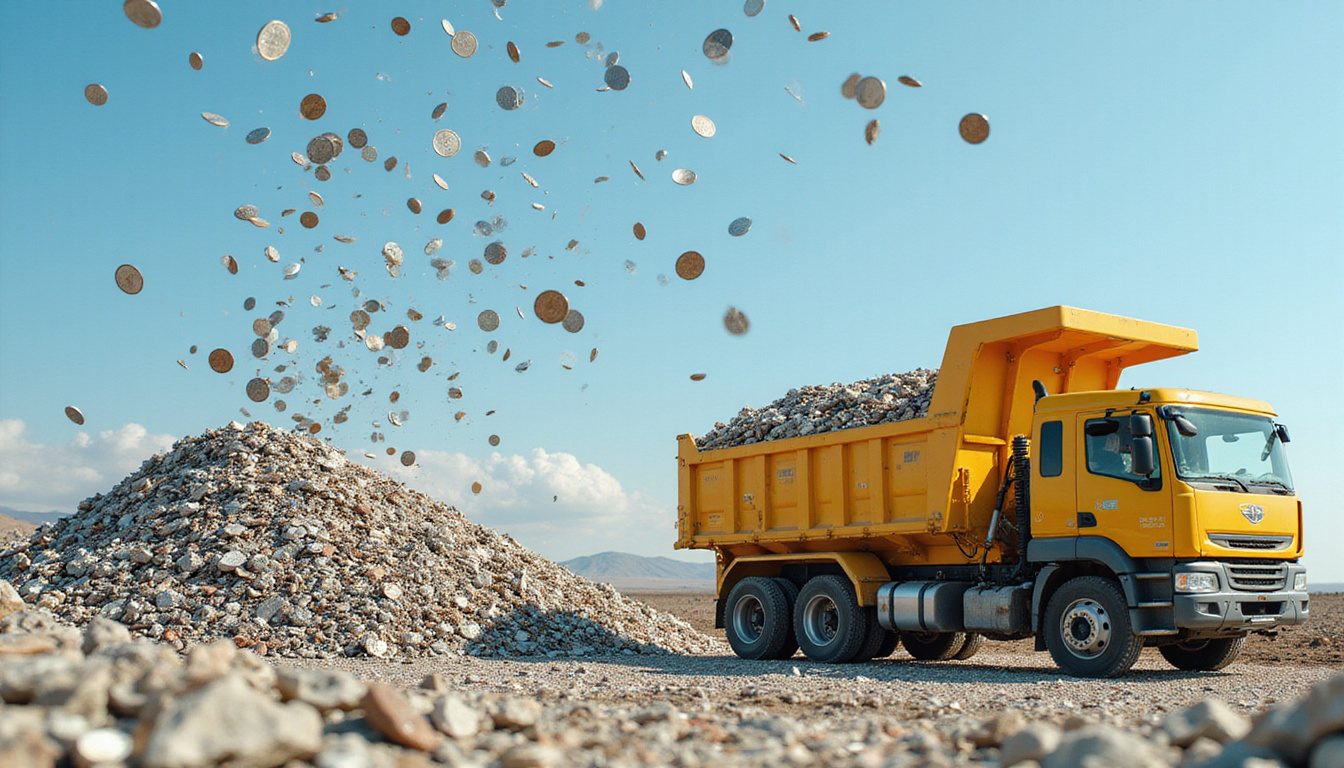
Designing your program around this hierarchy ensures that “landfill diversion” isn’t just shifting waste from one problem bin to another, but actually improving material use.
Step 3: Design effective collection and sorting systems
Even the best plan fails if day-to-day collection doesn’t work. The key is to make the desired behavior the easiest behavior.
Align bins with your main waste streams
Based on your waste audit, deploy clearly labeled containers for:
- Mixed recycling (or separated streams if your hauler requires it)
- Cardboard-only in shipping/receiving
- Organics/food scraps in kitchens and cafes
- Specialty streams (e-waste, batteries, PPE) where applicable
- Landfill/trash as a smaller or less convenient option
Make signage unmissable and intuitive
- Use images of actual items from your workplace.
- Keep instructions simple (“Food only,” “Empty and rinse”).
- Color-code bins consistently across all locations.
Coordinate with your hauler and processors
Landfill diversion lives or dies on downstream partners:
- Confirm exactly which materials they accept and how.
- Align your bin setup with their sorting requirements.
- Negotiate pricing or rebates for high-quality, uncontaminated loads.
Step 4: Engage employees and stakeholders
Landfill diversion is as much about people as it is about bins and contracts. Engagement is essential for reducing contamination and reaching ambitious diversion rates.
Key engagement tactics
- Kickoff training: Short, focused sessions on what goes where, why it matters, and what goals you’re targeting.
- Onboarding integration: Make waste sorting part of standard new hire training.
- Visual cues on site: Posters near bins, floor markings, and periodic reminders.
- Feedback loops: Share monthly diversion rates, successes, and problem areas.
- Incentives and recognition: Recognize teams that improve diversion or reduce contamination.
Include frontline staff in designing and improving the system; they often know where waste is created and what’s realistic on the ground.
Step 5: Track, report, and optimize your diversion program
Once your landfill diversion system is in place, you’ll need to measure performance and adjust over time.
What to measure
- Total waste generated (by weight or volume)
- Tons or cubic yards diverted by stream (recycling, organics, reuse)
- Landfill diversion rate (%)
- Contamination rates in recycling and organics
- Cost per ton of disposal vs. diversion
- Revenue from recyclables, if applicable
Many haulers can provide regular diversion reports, and some facilities add internal weighing systems for more accuracy.
How to use the data
- Identify low-performing areas or high-contamination zones.
- Target training and signage updates where confusion is highest.
- Test pilot changes (e.g., different bin placement, smaller trash cans) and compare results.
- Build business cases for further investments in equipment (balers, compactors, dishwashers to eliminate disposables).
Continuous improvement keeps your landfill diversion program from stagnating.
Advanced landfill diversion strategies for larger organizations
For companies with multiple sites or complex waste streams, more advanced strategies can unlock bigger cost and diversion gains.
1. Centralized resource recovery hubs
- Collect specific materials from several sites.
- Process or consolidate them centrally (e.g., bale cardboard, sort plastics).
- Negotiate better contracts based on higher volumes and quality.
2. Supplier and packaging redesign
- Work with vendors to switch to:
- Reusable shipping containers
- Easily recyclable mono-material packaging
- Reduced or right-sized packaging
- Include diversion and recyclability requirements in procurement specs.
3. Industrial symbiosis and by-product reuse
- Partner with nearby businesses that can use your by-products as inputs:
- Food manufacturing waste to animal feed or anaerobic digestion
- Wood scraps to mulch or composite products
- Certain plastics or textiles to specialty recyclers
4. Zero waste to landfill certifications
- Pursue third-party certifications that verify high landfill diversion rates (often 90%+).
- Use certification to demonstrate leadership to customers, investors, and regulators.
Common pitfalls to avoid in landfill diversion programs
Landfill diversion is highly achievable, but a few common issues can derail progress:
- Overcomplicated bin systems: Too many categories can confuse users and increase contamination.
- Lack of hauler alignment: Assuming materials are being recycled without verifying downstream processing.
- Ignoring contamination: High contamination can cause entire loads to be landfilled.
- One-time training: Initial enthusiasm fades without ongoing communication and reinforcement.
- Chasing diversion at any cost: Some diversion options may be uneconomical or have questionable environmental value; balance is key.
Design your program with simplicity, verification, and economics in mind.
FAQ: Landfill diversion questions answered
1. What is an example of a landfill diversion program?
A typical landfill diversion program might include:
- Separate bins for recycling, compost, and landfill in offices and cafeterias
- Cardboard-only dumpsters at loading docks
- Contracts with recyclers for metals and e-waste
- Food scrap collection for composting or anaerobic digestion
- Employee training and monthly reporting of diversion rates
The goal is to capture as much material as possible before it becomes landfill-bound trash.
2. Why is landfill diversion important for businesses?
Landfill diversion helps businesses:
- Cut disposal and hauling costs
- Avoid future regulatory pressures
- Improve environmental performance and climate goals
- Strengthen brand reputation with customers and employees
- Discover process efficiencies and material savings
For many organizations, a strong landfill diversion strategy is also a key part of broader ESG and sustainability commitments.
3. How can I increase my company’s landfill diversion rate quickly?
To boost landfill diversion in the short term, focus on:
- Conducting a quick waste assessment to find your biggest, cleanest streams (often cardboard, metals, and pre-consumer organics).
- Installing or improving dedicated bins and signage for those streams.
- Working with your hauler to ensure proper recycling and reporting.
- Running a short, focused awareness campaign with employees.
- Monitoring contamination and providing immediate feedback.
These steps often deliver visible gains within a few months.
Take the next step: Turn your trash into a strategic asset
Landfill diversion doesn’t have to be complicated, and it doesn’t have to be expensive. By understanding your waste, prioritizing the most impactful streams, engaging your people, and partnering with the right haulers and recyclers, you can slash waste volumes, cut disposal costs, and demonstrate real environmental leadership.
If you’re ready to move from ad-hoc recycling bins to a structured landfill diversion strategy that saves money and supports your sustainability goals, start now: schedule a waste audit, assemble a small cross-functional team, and set a clear diversion target for the year ahead. The sooner you act, the faster you’ll see both financial and environmental returns.
Junk Guys San Diego
Phone: 619-597-2299
Website: www.junkguyssd.com
Email: junkguyssd619@gmail.com