
Debris Box Rental Tips to Slash Cleanup Costs and Hassle
If you’re planning a remodel, major cleanout, or jobsite project, the right debris box rental can make the difference between a smooth, affordable cleanup and an expensive, stressful mess. Yet many homeowners and contractors overpay or run into headaches simply because they don’t know how debris box services work, what size they really need, or how to avoid hidden fees.
This guide walks you step-by-step through choosing and using a debris box efficiently so you can cut costs and reduce hassle from day one.
What Is a Debris Box Rental and When Do You Need One?
A debris box rental (also called a roll-off dumpster, debris container, or construction box) is a large metal container delivered to your property or jobsite so you can load it with waste. When it’s full—or your project is done—the company hauls it away for dumping, recycling, or sorting.
Typical situations where a debris box rental makes life much easier:
- Home remodeling or additions
- Roof tear-offs and re-roofing projects
- Garage, attic, or estate cleanouts
- Landscaping overhauls or tree removal
- Concrete, brick, or asphalt demolition
- Commercial tenant improvements and office cleanouts
If your project will fill more than a pickup or two with debris, a debris box is often cheaper, faster, and safer than multiple trips to the dump.
Step 1: Right-Size Your Debris Box (The #1 Cost Mistake)
Choosing the wrong size debris box rental is the most common (and costly) error. Too small and you pay for extra hauls; too large and you pay for unused capacity.
Common roll-off / debris box sizes
Exact sizes and names vary by provider, but these are typical:
- 10-yard box – ~10 ft x 7 ft x 3–4 ft
- Good for: Small bathroom remodels, minor cleanouts, yard waste
- 20-yard box – ~20 ft x 7 ft x 3.5–4 ft
- Good for: Medium remodels, roofing for smaller houses, full-room cleanouts
- 30-yard box – ~22 ft x 7 ft x 5–6 ft
- Good for: Large remodels, estate cleanouts, multi-room projects
- 40-yard box – ~22 ft x 7 ft x 7–8 ft
- Good for: Major construction, commercial projects, large demolitions
How to estimate volume realistically
To avoid over- or under-sizing:
-
List your materials
- Construction debris (drywall, lumber, flooring, cabinets)
- Household junk (furniture, boxes, electronics)
- Heavy stuff (dirt, concrete, brick, roofing tiles, asphalt)
-
Convert “pickup loads” to yards
A leveled full-size pickup bed is roughly 2–3 cubic yards.- 4 pickup loads ≈ 10-yard debris box
- 7–10 pickup loads ≈ 20-yard debris box
- 12–15 pickup loads ≈ 30-yard debris box
-
Adjust for heavy materials and weight limits
Heavier materials often have stricter weight limits. A 10-yard box filled with concrete may hit the max legal weight, while a 20-yard might be forbidden for that use. Ask specifically:- “What’s the weight limit for this size?”
- “Is this size allowed for concrete, dirt, or roofing shingles?”
Spending an extra 10 minutes planning volume can save you hundreds in extra trips and overage fees.
Step 2: Compare Pricing Models (and Spot Hidden Fees)
Not all debris box rental quotes are created equal. To truly compare apples to apples, you need to understand how each hauler structures pricing.
Common pricing structures
- Flat-rate (all-in)
One price for delivery, pickup, disposal, and a set weight (e.g., up to 2 tons). - Base rate + tipping fee
Lower upfront cost, then disposal charged per ton at the landfill or transfer station. - Time-based rentals
Price based on number of days or weeks, plus potential per-day extension fees.
When you collect quotes, always ask these questions:
-
What exactly is included in the debris box rental price?
- Delivery, pickup, disposal, fuel, environmental fees?
-
What are the weight limits and overage charges?
- “What’s the cost per ton over the limit?”
- “How do you calculate weight?” (scale tickets, estimates, etc.)
-
Are there location or access surcharges?
- Extra costs for steep driveways, long distances, city permits, or challenging access?
-
What about extra days?
- How many days are included?
- What’s the daily extension fee?
Many surprises show up in fine print. A “cheap” debris box rental can become expensive fast if you exceed weight limits or need extra days.
Step 3: Time Your Rental Strategically
The longer you keep the box, the more you’re likely to pay—or stress—about deadlines. Smart scheduling cuts both cost and hassle.
Tips for ideal timing
-
Do prep work before delivery
- Pile debris in a staging area so you can load fast once the box arrives.
- Break down large items (furniture, cabinets) in advance.
-
Align with project milestones
- For remodeling, have the debris box delivered just before demolition starts.
- For cleanouts, schedule it for the main “purge” day when helpers are available.
-
Avoid weekend delays
- Some haulers don’t pick up or drop off on weekends or holidays.
- Clarify their schedule so full boxes aren’t sitting longer than you want.
-
Book early in peak seasons
Spring and summer are busy for construction and cleanups. Reserve your debris box rental several days (or weeks) in advance to secure the size and schedule you need.
Step 4: Load the Debris Box Efficiently to Maximize Space
How you load your debris box directly affects how much you can fit—and whether you risk penalties for unsafe or overfilled containers.
Smart loading strategies
-
Load large, flat items first
Doors, plywood, countertops, and flattened boxes go on the bottom to create a level base. -
Break down bulky items
Disassemble furniture, cabinets, and shelving. Remove legs, doors, and drawers to avoid wasted airspace. -
Distribute weight evenly
Place heavy materials (concrete, dirt, shingles) at the bottom and spread them out so the box is balanced. -
Fill gaps with smaller debris
Toss in smaller pieces between large items to pack more into the same space. -
Do not overfill above the rim
Most debris box rental agreements prohibit filling above the side walls. Overfilled boxes can’t be tarped safely and may incur “dig-out” or extra trip fees.
Some providers share packing tips on their websites; it’s worth checking, as they know what works best for their specific box sizes and local rules.
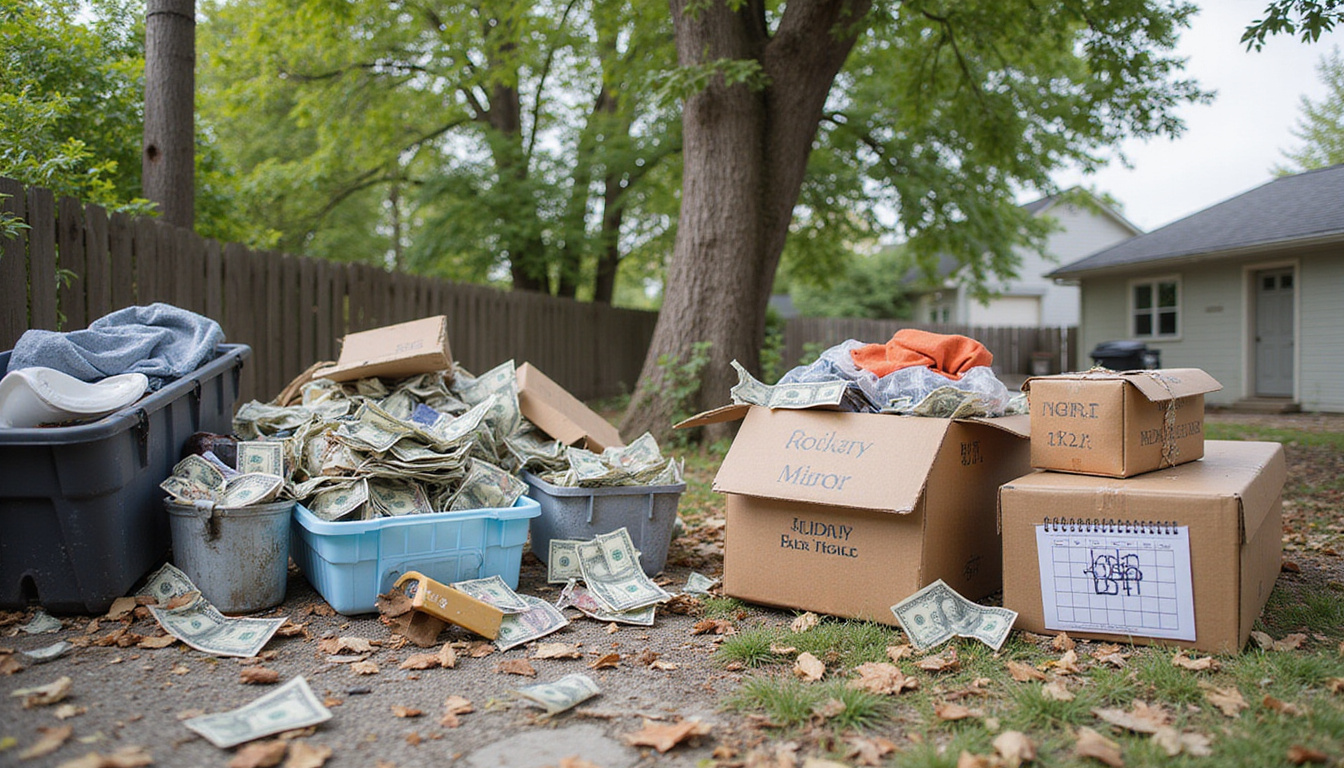
Step 5: Know What You Can (and Can’t) Put in Your Debris Box
Disposal regulations vary by city and state, but every debris box rental has restrictions that, if ignored, can trigger fines or rejected loads.
Typically allowed (always confirm locally)
- Construction & demolition debris: drywall, lumber, flooring, roofing, siding
- Household junk: furniture, toys, clothing, non-refrigerated appliances
- Yard waste: branches, leaves, grass, shrubs
- Inert materials: brick, concrete, asphalt (sometimes require dedicated “clean load” boxes)
Commonly restricted or prohibited
- Hazardous waste: paints, stains, solvents, pesticides, automotive fluids
- Electronics: TVs, computers, monitors (often e-waste rules apply)
- Refrigerators and AC units (contain refrigerants)
- Tires, batteries, fluorescent bulbs
- Large amounts of dirt, rock, or concrete in general mixed loads
Regulations for hazardous and special waste are strict and vary by jurisdiction (source: U.S. EPA – Household Hazardous Waste). To avoid trouble, ask your provider for a written list of prohibited items and recommended drop-off sites for those materials.
Step 6: Avoid Permits, Fines, and Neighbor Complaints
Where you place your debris box rental matters for both legality and neighborhood goodwill.
Private property vs. street placement
-
On your driveway or private lot
- Usually no municipal permit required.
- Check your HOA or landlord rules.
-
On the street or sidewalk
- Often requires a city permit and sometimes safety measures (cones, reflectors).
- Ask your hauler if they obtain permits or if you must do it yourself.
Driveway and property protection
- Request wood planks under the wheels or rails to reduce scratching or cracking.
- Ensure overhead clearance from power lines, eaves, and tree branches.
- Mark sprinkler heads or delicate landscaping that trucks should avoid.
Be a good neighbor
- Warn neighbors about the delivery date and approximate duration.
- Ask the hauler to position the debris box to minimize blocking views, driveways, or parking.
- Keep debris inside the box and tarp if it will be there for more than a few days to prevent windblown litter.
Little communication goes a long way toward avoiding complaints and potential city involvement.
Step 7: Choose a Reputable Provider (Not Just the Lowest Bid)
Price matters, but reliability, safety, and transparency matter more. A failed delivery or delayed pickup can disrupt your entire project.
What to ask before you commit
-
Are you licensed and insured?
- Especially important for larger boxes and commercial jobs.
-
How long have you operated in this area?
- Local experience means better knowledge of city rules and disposal options.
-
What’s your typical delivery and pickup window?
- Same-day, next-day, or 2–3 days?
- Do they offer scheduled time windows?
-
Do you recycle or divert materials from the landfill?
- Some companies sort and recycle construction debris, which can be more environmentally friendly and sometimes cheaper.
-
Can I see your terms in writing?
- Review cancellation policies, damage clauses, and all potential fees.
Check online reviews with a focus on punctuality, billing transparency, and how the company responds to issues.
Quick Checklist: How to Save the Most on Debris Box Rental
Use this list as you plan your cleanup or project:
-
Estimate volume accurately
- Choose the right size box (10-, 20-, 30-, or 40-yard) based on realistic debris estimates.
-
Get multiple quotes and compare fully
- Ask detailed questions about weight limits, extra days, and surcharges.
-
Time delivery smartly
- Have debris ready to go so you don’t pay for unused days.
-
Load efficiently and safely
- Break down items, distribute weight, and never overfill.
-
Respect material restrictions
- Keep hazardous items out to avoid fines and rejected loads.
-
Plan placement and permits in advance
- Avoid last-minute surprises from your city or HOA.
-
Choose a reputable, transparent hauler
- Prioritize reliability and clear communication.
FAQs About Debris Box Rentals and Cleanup
1. How much does a debris box rental usually cost?
Costs vary by region, size, and weight, but typical residential debris box rentals range from about $250 to $600 for a 10- or 20-yard box for a standard rental period. Heavier loads (like roofing, dirt, or concrete) and larger sizes can cost more, especially if you exceed included weight limits. Always ask for an all-in estimate that includes delivery, pickup, disposal, and taxes so you can compare offers accurately.
2. What size debris container rental do I need for a home remodel?
For a single-room or small bathroom remodel, a 10-yard debris container rental is often sufficient. For a kitchen remodel, medium-sized roof job, or multi-room cleanout, a 20-yard box is usually the sweet spot. Major renovations or whole-house cleanouts may justify a 30-yard (or in some markets, 40-yard) debris box. If you’re on the fence between two sizes, ask the provider which size most customers with your type of project choose.
3. Can I use a construction debris box rental for yard waste or concrete?
Yes, but you may need a dedicated load. Many providers offer specific construction debris box rentals for heavy materials like concrete, brick, or asphalt with strict weight limits and sometimes smaller box sizes. For yard waste, some companies have green waste-only boxes that may be cheaper if you keep the load clean (no trash mixed in). Always tell the rental company exactly what you plan to dispose of so they can recommend the right type of box and avoid disposal issues.
A well-planned debris box rental doesn’t just save money—it frees your time and energy so you can focus on the project itself instead of endless dump runs. By choosing the right size, loading strategically, following material rules, and working with a reliable local provider, you can simplify cleanup and keep your budget in check.
If you’re ready to clear out clutter or kick off your next renovation, reach out to a trusted debris box rental company in your area today. Ask the questions in this guide, compare a few quotes, and schedule your box so it arrives exactly when you need it. With a bit of upfront planning, your cleanup can be faster, cleaner, and far less stressful than you ever expected.
Junk Guys San Diego
Phone: 619-597-2299
Website: www.junkguyssd.com
Email: junkguyssd619@gmail.com