
Construction waste recycling is no longer a “nice to have” add-on to projects—it’s becoming a core strategy for cutting costs, winning bids, and meeting tightening sustainability standards. Whether you’re a general contractor, developer, or facilities manager, how you handle job-site debris can directly impact your bottom line and reputation.
This guide breaks down how to turn construction and demolition (C&D) waste from a liability into a valuable resource, with practical steps you can start applying on your next project.
Why Construction Waste Recycling Matters Now
Construction and demolition activities generate hundreds of millions of tons of debris every year. In many regions, C&D materials are the single largest contributor to landfill volume. That’s a problem for three reasons:
- Rising costs – Landfill tipping fees, fuel, and transportation costs keep climbing.
- Regulations – More jurisdictions are banning or restricting landfilling of certain materials.
- Client expectations – Public and private owners increasingly require sustainable construction practices, certifications, and diversion targets.
According to the U.S. Environmental Protection Agency, C&D debris accounts for more than double the amount of municipal solid waste generated annually (source). That scale is why construction waste recycling has become such a powerful lever for cost control and environmental performance.
The True Cost of Ignoring Construction Waste
Many contractors still treat waste management as an afterthought—something to address after the job starts. That approach creates hidden costs:
- Multiple hauls of half-full dumpsters due to poor planning and mixed materials
- High contamination in recyclables, leading to rejection or higher processing fees
- Lost revenue from salvageable materials like metals, brick, or fixtures
- Penalty fees for non-compliance with local ordinances or project specifications
- Reduced competitiveness if you can’t meet diversion or sustainability requirements in RFPs
In contrast, building construction waste recycling into your project plan from day one helps you control these variables and unlock savings.
What Materials Can Be Recycled from Construction Sites?
Most construction and demolition projects produce a predictable mix of materials, many of which can be efficiently recycled or reused:
- Concrete and masonry – Crushed for use as aggregate, road base, or fill
- Asphalt – Recycled into new asphalt or used as base material
- Metals – Steel, aluminum, copper, and brass are highly recyclable and often profitable
- Wood – Reused as lumber, processed into mulch, engineered wood, or biomass fuel
- Gypsum drywall – Reprocessed into new drywall or used as a soil amendment (where permitted)
- Cardboard and paper – Recycled into packaging and paper products
- Plastics – Certain types (e.g., clean film, rigid plastics) can be recycled
- Glass – Recycled into new glass, fiberglass, or aggregate applications
- Architectural salvage – Doors, fixtures, cabinets, flooring, and structural elements
Not all markets can handle all materials, but even limited construction waste recycling can substantially reduce disposal tonnage and fees.
How Recycling Construction Waste Cuts Project Costs
Recycling isn’t just about “doing the right thing.” It can directly reduce project costs in several ways.
1. Lower Disposal and Hauling Costs
Landfill tipping fees are typically charged by weight or volume. When you divert heavy materials—like concrete, brick, and metals—from the waste stream:
- Total tonnage going to landfill drops
- You may qualify for lower-cost recycling rates vs. disposal fees
- Fewer dumpster pulls and truck trips are needed
In many markets, recycling concrete and metals is significantly cheaper than landfilling them, even after accounting for sorting and handling.
2. Revenue from Recyclables and Salvage
Some materials, especially metals, carry positive market value. With a well organized construction waste recycling program, you can:
- Sell scrap metal directly to recyclers
- Negotiate revenue-sharing agreements with C&D processors
- Salvage high-value items like hardwood flooring, antique fixtures, or structural timbers
While this rarely covers the full cost of waste handling, it can offset a meaningful portion.
3. Avoided Fines and Change Orders
Owners and governments are imposing stricter requirements on construction waste:
- Mandatory recycling percentages (e.g., 50%, 75%)
- Ban of certain materials from landfill
- Requirements tied to green building certifications
Failing to meet these can trigger fines, forced rework (e.g., sorting mixed loads), or penalties under contract. Planning recycling into your project protects you from these headaches.
4. Competitive Advantage in Bids
Public agencies, universities, corporate campuses, and institutional clients often:
- Require waste management plans in RFP responses
- Set minimum diversion thresholds (e.g., LEED, BREEAM, or local standards)
- Ask for environmental performance metrics
Contractors who can clearly demonstrate effective construction waste recycling often win tie-breakers in competitive bid situations and build long-term client trust.
Planning an Effective Construction Waste Recycling Strategy
The most cost-effective recycling programs are designed before the first dumpster hits the site. Key steps:
1. Conduct a Pre-Construction Waste Audit
Before mobilization:
- Review drawings, specifications, and schedules
- Identify major material streams by volume and timing (concrete, framing, finishes, etc.)
- Note any owner or regulatory recycling/diversion requirements
- Assess local recycling and disposal options, including facility capabilities
This pre-planning lets you right-size containers, schedule pickups efficiently, and avoid last-minute changes.
2. Choose the Right Collection Approach: Source-Separated vs. Mixed
You’ll typically choose between:
-
Source-separated recycling – Different containers for different materials (e.g., metals, clean wood, concrete, cardboard).
- Pros: Higher material value, lower contamination, better diversion rates
- Cons: Requires more space and on-site labor discipline
-
Mixed C&D recycling – One dumpster for mixed construction waste, sorted later at a processing facility.
- Pros: Easier on crowded sites, less time training crews on sorting
- Cons: Higher contamination risk, sometimes lower diversion rates or higher processing fees
Many projects use a hybrid approach: source-separate high-volume, high-value materials (e.g., concrete, metals, cardboard) and send the rest as mixed C&D.
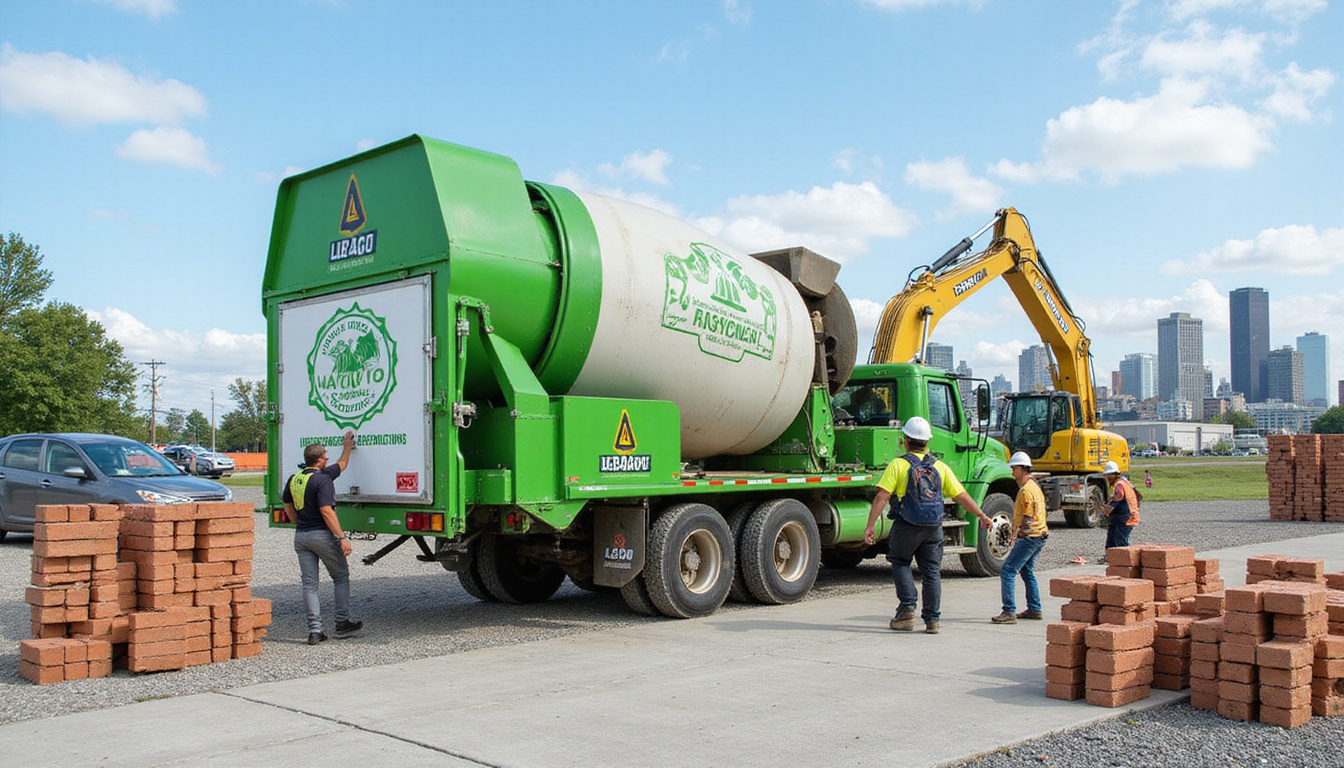
3. Select Reliable Recycling and Disposal Partners
Not all haulers and processors are equal. When evaluating partners:
- Confirm which materials they actually recycle (not just claim to)
- Ask for typical diversion rates for similar projects
- Request documentation capabilities (tickets, weight reports, monthly summaries)
- Check if they’re certified or audited by local authorities or industry groups
- Clarify fees for contamination and rejected loads
Strong partners can also advise on container placement, signage, and training.
On-Site Best Practices to Improve Recycling Rates
Even with good planning, execution on-site determines the success of construction waste recycling. A few practical techniques make a big difference.
1. Train and Motivate Your Crew
- Include waste management expectations in orientations and toolbox talks
- Explain how recycling impacts project costs and profitability
- Clearly assign responsibility (e.g., foreman, superintendent, specific laborers)
- Recognize crews who meet or exceed waste goals
When workers understand that better sorting keeps costs down—and maybe even protects margins and bonuses—they’re more likely to participate.
2. Use Clear Signage and Consistent Containers
Visual communication is crucial:
- Use large, color-coded signs and labels on all dumpsters and bins
- Include photos or icons of accepted materials
- Place containers close to where materials are generated (e.g., cardboard near staging areas, metal near fabrication zones)
- Keep recycling containers just as accessible as trash (or more)
Confusion leads to contamination, which undermines your recycling efforts.
3. Keep Recyclables Clean and Separate
Contaminated materials often end up being landfilled. Simple practices help:
- Avoid throwing food waste, liquids, or hazardous materials into construction recycling bins
- Keep clean wood separate from painted or treated wood when possible
- Cover containers in wet weather to reduce weight and contamination
- Establish a dedicated area for salvageable items to prevent damage
Simple Steps to Start (or Improve) Construction Waste Recycling
If you’re new to structured recycling or want to upgrade your current approach, start with a few high-impact moves:
- Set clear diversion goals (e.g., “divert 60% of C&D waste by weight”).
- Identify 3–5 target materials that are abundant and easy to recycle (typically concrete, metal, cardboard, clean wood, and drywall).
- Select a trusted C&D recycling facility and coordinate containers and pickup schedule.
- Create a one-page waste management plan summarizing materials, container locations, and responsible parties.
- Launch a brief training for site supervisors and subs so everyone understands expectations.
- Track progress via hauler tickets and simple monthly summaries.
- Adjust container counts and locations as work phases change (demolition, framing, finishes).
You don’t need a perfect, complex system from day one. Incremental improvements in construction waste recycling can still yield significant cost and sustainability gains.
Measuring the Impact: Data and Reporting
To prove value—to owners, regulators, and your own leadership—you’ll need data. At a minimum, track:
- Total tons or cubic yards generated
- Tons diverted vs. landfilled
- Diversion rate (%)
- Costs for hauling, disposal, and recycling
- Revenue from recycled or salvaged materials
Many haulers and C&D facilities provide digital reporting and diversion summaries. Use these to:
- Document compliance with project requirements
- Support green building certifications (e.g., LEED Materials and Resources credits)
- Improve estimating for future jobs
- Market your firm’s sustainability performance in proposals and marketing materials
Common Mistakes to Avoid
To maximize benefits from construction waste recycling, steer clear of these pitfalls:
- Waiting until mid-project to plan your waste strategy
- Using too few or poorly labeled containers, encouraging “throw it all in” behavior
- Failing to coordinate with subcontractors, who often generate the bulk of waste
- Ignoring contamination issues, which can turn recyclables into expensive trash
- Not tracking costs and diversion data, making it harder to justify efforts internally
Anticipating these challenges lets you design a smoother, more profitable recycling program.
FAQ: Construction Waste Recycling and Cost-Saving Strategies
1. How does recycling construction rubbish reduce overall project costs?
Recycling construction rubbish reduces landfill tonnage, which cuts tipping fees and hauling costs. Many recyclable materials—especially metals and concrete—can be processed at lower cost than standard disposal. You may also recover value from scrap and salvage, and avoid penalties for missing waste diversion requirements, all of which lower total project costs.
2. What are the best materials to focus on for construction waste reuse and recycling?
Start with high-volume, high-value materials: concrete and asphalt (for aggregate), metals (for scrap markets), clean wood (for reuse or biomass), drywall (where local recyclers exist), and cardboard. These streams usually offer the greatest return and fastest setup for construction waste reuse and recycling on most projects.
3. How can contractors prove their building site waste recycling performance to clients?
Work with haulers and processors who provide detailed weight tickets and diversion reports. Aggregate these into simple monthly or project-end summaries showing total waste, recycled tonnage, and diversion rates. These documents demonstrate building site waste recycling performance, support green certifications, and strengthen your position in future bids.
Turn Your Job-Site Waste into an Advantage
Every project generates debris—but not every project turns that debris into savings and competitive advantage. By planning construction waste recycling from the outset, training your team, and partnering with the right haulers and processors, you can:
- Cut disposal and hauling costs
- Unlock value from scrap and salvage
- Meet or exceed regulatory and owner requirements
- Strengthen your sustainability story and win more work
If you’re ready to turn waste from a problem into a performance asset, start by assessing your current practices on your next job and setting clear recycling goals. Then, build a tailored construction waste recycling plan with your team and local partners. The earlier you begin, the faster you’ll see the cost savings and sustainability benefits add up.
Junk Guys San Diego
Phone: 619-597-2299
Website: www.junkguyssd.com
Email: junkguyssd619@gmail.com