
Managing old furniture, broken appliances, and overstuffed garage junk doesn’t have to be stressful or expensive. With the right plan, bulky waste pickup can be fast, efficient, and even eco‑friendly. Whether you’re clearing out a single room or prepping an entire home for sale, a smart approach will save you time, money, and headaches.
Below you’ll find practical strategies—from sorting and scheduling to loading and donation—that professionals use to make bulky item removal smooth and simple.
What Counts as Bulky Waste?
Before you schedule any bulky waste pickup, it helps to know what typically qualifies as “bulky” or “large-item” trash in most cities.
Common examples include:
- Sofas, recliners, and sectionals
- Mattresses and box springs
- Dressers, wardrobes, and bookcases
- Tables, desks, and office furniture
- Large rugs and carpets
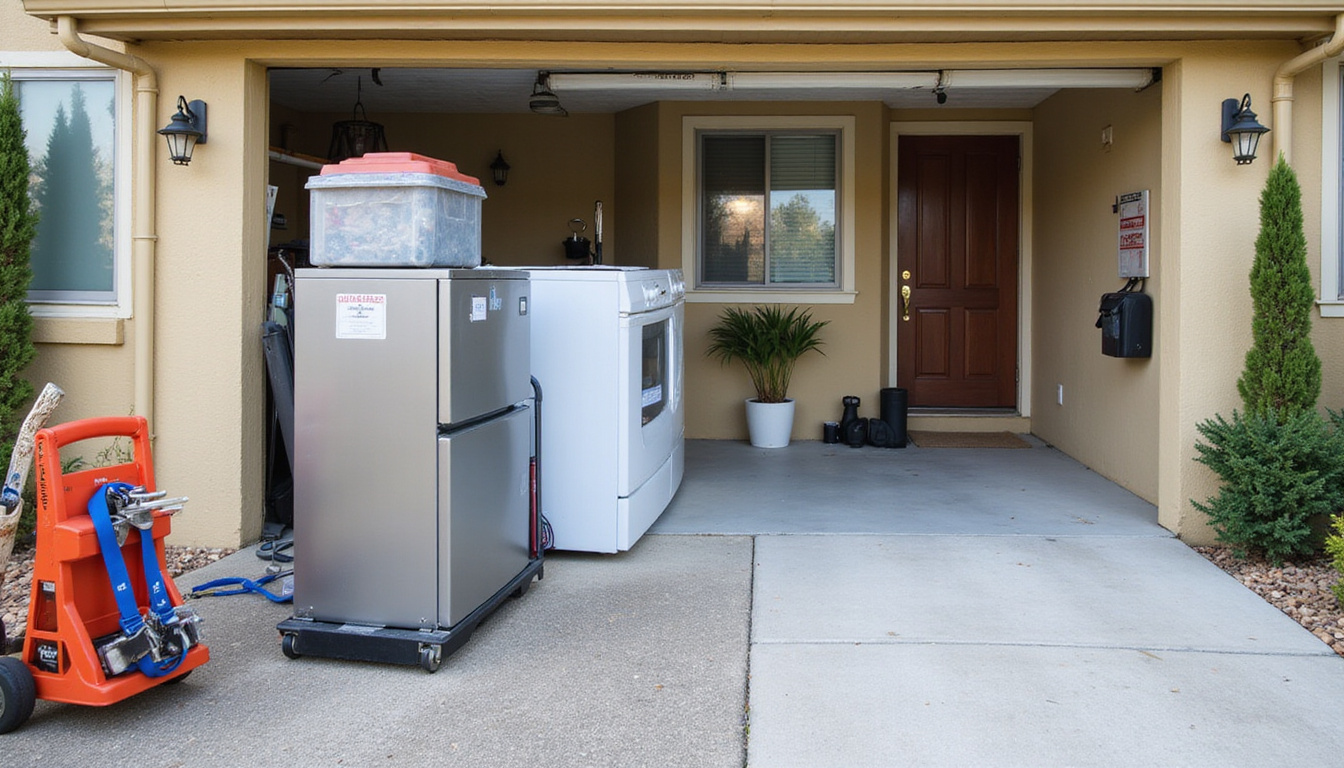
- Appliances (fridges, stoves, washers, dryers)
- Outdoor furniture and grills
- Large electronics (TVs, monitors, stereo systems)
Each municipality sets its own rules. Many regular trash services do not accept these items in standard bins, which is why special bulky waste pickup programs, private haulers, and donation services exist.
Step 1: Plan Your Bulky Waste Pickup Like a Pro
Rushed decluttering leads to missed items, extra fees, and avoidable stress. A quick plan makes all the difference.
1. Take Inventory of All Large Items
Walk through every room, attic, basement, garage, and outdoor area. Write down anything you want gone in the next 30–60 days. Be specific:
- “King mattress + box spring”
- “Two 3‑seater sofas”
- “Broken chest freezer – heavy”
This inventory helps you:
- Get accurate quotes
- Decide between city pickup, junk removal, and self‑haul
- Avoid multiple trips or extra service calls
2. Group Items by Destination
Not everything belongs in the landfill. Sort into four categories:
- Donate – Clean, usable furniture and working items
- Sell – Higher‑value pieces that are still in demand
- Recycle – Metals, some appliances, and electronics
- Trash – Broken, stained, or unsafe items
This single step can drastically reduce the volume you need to send through bulky waste pickup, which often lowers costs and environmental impact.
Step 2: Compare Your Bulky Waste Removal Options
You typically have three main paths: city services, private junk removal, or DIY hauling. The best choice depends on your volume, budget, time, and physical ability.
Option A: Municipal Bulky Waste Pickup
Most cities offer some form of large‑item collection:
- On scheduled “heavy trash” days
- By appointment
- With annual limits (e.g., two free pickups per year)
Pros
- Often free or low-cost
- Convenient curbside pickup
- Integrated into existing trash service
Cons
- Limited items per pickup
- Strict rules on size, weight, and preparation
- Fewer options for same‑week service
Check your city or county website for specific rules. For example, many municipalities require mattresses to be bagged, doors removed from refrigerators, and items placed curbside by a certain time (source: U.S. EPA – Household Waste).
Option B: Professional Junk Removal Services
These companies specialize in bulky waste pickup and whole‑house cleanouts.
Pros
- Fast—often same or next day
- They do the lifting and loading
- They sort for donation and recycling
- Can handle heavy, awkward items safely
Cons
- More expensive than city pickup
- Pricing can be confusing without clear estimates
Look for companies that offer:
- Free, no‑obligation estimates
- Transparent volume‑based or item‑based pricing
- Proof of insurance and licensing
- Clear donation/recycling policies
Option C: DIY Hauling to the Landfill or Transfer Station
If you have a truck, trailer, or a friend who does, DIY can work for smaller loads.
Pros
- Control over timing
- Potentially cheaper, especially for small loads
- You decide exactly how items are sorted and disposed of
Cons
- Heavy lifting and risk of injury
- Fuel and disposal fees
- Multiple trips if you underestimate volume
Always check your local facility’s rules for:
- Minimum fees
- Material bans (tires, certain electronics, hazardous waste)
- Requirements for securing loads
Step 3: Prep Items for Fast, Easy Pickup
Proper preparation is the single biggest time‑saver in bulky waste pickup. It speeds up loading, prevents disputes with haulers, and keeps you compliant with city regulations.
Disassemble Large Furniture
Whenever possible, break items down into manageable pieces:
- Remove table legs and bed frames
- Take apart sectional sofas
- Detach mirrors from dressers
- Flatten cardboard and take off hardware
Keep screws and brackets in a labeled bag if you plan to donate or sell.
Secure and Contain Loose Materials
Bulky pickup often goes wrong when small or sharp items are loose. To avoid that:
- Wrap broken furniture pieces with tape or shrink‑wrap
- Bag cushions, linens, or small components
- Tape shut drawers and doors on cabinets
- Secure glass panels or wrap in blankets and mark as “GLASS”
This makes it faster and safer for workers to move items, which can reduce loading fees for private services.
Prepare Appliances Safely
Most cities and junk haulers have extra rules for appliances:
- Refrigerators & freezers: Empty, defrost, and remove doors
- Washers & dishwashers: Disconnect water and drain lines
- Gas stoves or dryers: Have them disconnected by a professional
If your municipality requires a CFC removal tag for fridges and A/C units, get that handled before scheduling pickup.
Step 4: Time Your Bulky Waste Pickup Strategically
When and how you schedule pickup can be just as important as who you hire.
Combine Projects to Save Money
Whenever possible, bundle:
- Furniture you’re replacing
- Seasonal cleanouts
- Pre‑move or pre‑listing decluttering
Most junk removal companies and some cities price by volume or trip. One well‑planned bulky waste pickup usually costs less than several separate ones.
Avoid Last-Minute Rush Fees
If you’re moving out, renovating, or facing a deadline (like a landlord inspection), schedule at least 1–2 weeks in advance. This helps you:
- Get better appointment slots
- Avoid emergency or after‑hours fees
- Leave room for unexpected extra items
If you do need same‑day service, have everything staged and ready to go to minimize on‑site time.
Step 5: Make Pickup Day Run Like Clockwork
When the truck shows up—city or private—being ready can shorten the process by half.
Stage Items for Easy Access
- Place bulky items as close to the curb, driveway, or access point as rules allow
- Clear pathways of clutter, rugs, or snow/ice
- Move cars to leave room for the truck
If items are inside and you’re using a junk removal company, open doors, move small obstacles, and secure pets.
Be Present If Possible
Being on-site lets you:
- Confirm which items go and which stay
- Approve any price changes if volume is higher than estimated
- Ask for receipts for donation or disposal
Take quick photos before and after, especially if you’re a renter needing proof of condition.
Eco-Friendly Alternatives to Standard Bulky Waste Pickup
Not everything should go in the trash, and in many areas, it’s not even legal to toss certain items with regular bulky waste.
Donate Usable Items
Many organizations accept large donations:
- Thrift stores and charity shops
- Habitat for Humanity ReStores
- Local shelters and community centers
- “Buy Nothing” and neighborhood groups
Call ahead to confirm they can handle large pieces and whether they offer free pickup.
Recycle Metals and Electronics
Separate out:
- Scrap metal bed frames and appliances
- Old electronics (TVs, monitors, computers)
- Certain mattress components
Check your local recycling center or electronics collection events. Some retailers also run take‑back programs for appliances and TVs.
Upcycle or Repurpose
Creative options include:
- Turning a dresser into a bathroom vanity
- Reupholstering a frame instead of discarding
- Using pallets or wood pieces for DIY projects
Even if you don’t want to do these projects yourself, listing items as “free for upcycling” can attract hobbyists and reduce your bulky load.
Cost Factors in Bulky Waste Pickup
Understanding the main cost drivers helps you avoid surprise charges and choose the right option.
Key factors include:
- Volume – How much space your items take in a truck
- Weight – Especially for concrete, pianos, safes, or large appliances
- Location – Curbside vs. basement or upstairs
- Accessibility – Narrow stairwells, long carries, or no parking nearby
- Special handling – Refrigerants, electronics, or hazardous components
When comparing quotes:
- Ask if labor, fuel, and disposal fees are included
- Get estimates in writing (email or text is fine)
- Confirm any surcharges for heavy or specialty items
Quick Checklist for Fast, Stress-Free Bulky Waste Pickup
Use this short checklist to streamline your process:
- Make a full list of all bulky items to remove.
- Sort everything into donate / sell / recycle / trash piles.
- Check your city’s rules and free bulky waste options.
- Get 2–3 quotes from junk removal companies if needed.
- Disassemble large furniture and prep appliances.
- Stage items by the curb, driveway, or nearest access point.
- Confirm appointment date, time window, and pricing.
- Be on-site (or reachable by phone) during pickup.
- Save any donation receipts for tax purposes.
- Do a final walkthrough to catch any missed items.
FAQ: Bulky Waste Pickup and Large Item Disposal
Q1: How do I schedule bulky item pickup with my city?
Most municipalities let you request bulky item pickup online or by phone. Visit your city’s solid waste or public works website, search for “bulky waste” or “large item collection,” and follow their scheduling instructions. Have a list of items ready—many systems require you to specify what you’re putting out and may limit the number of items per pickup.
Q2: What is the cheapest way to get rid of large household items?
The cheapest option is usually your city’s bulk trash pickup service, if available. If you can’t wait for their schedule, the next most affordable choice is often DIY hauling to a landfill or transfer station, especially for smaller loads. Private junk removal costs more but saves time and physical effort, and can be cost‑effective when you have a lot to remove at once.
Q3: Can bulky waste removal companies donate or recycle items for me?
Many bulky waste removal services will separate out reusable items for donation and recyclable materials like metals or electronics. When getting quotes, ask each company about their donation and recycling policies, what percentage of items they typically divert from landfills, and whether you can receive donation receipts for tax purposes.
Make Your Next Bulky Waste Pickup the Easiest One Yet
You don’t have to live with unwanted sofas, broken appliances, or overflowing storage spaces. With a clear plan, smart sorting, and the right partner, bulky waste pickup becomes a quick, predictable process instead of an exhausting chore.
Start by listing your large items, checking your local bulky waste rules, and deciding whether city pickup, DIY hauling, or a professional junk removal service fits your situation best. Then schedule your pickup, prep your items, and take back your space.
If you’re ready to clear out the clutter without the heavy lifting, reach out to a reputable local bulky waste pickup or junk removal company today. One well‑planned visit can transform your home, free your garage, and give you a fresh start—faster than you think.
Junk Guys San Diego
Phone: 619-597-2299
Website: www.junkguyssd.com
Email: junkguyssd619@gmail.com