
Dumpster Service Secrets Every Homeowner Needs for Hassle Free Cleanouts
Planning a big cleanout can be exciting—until you’re surrounded by piles of junk and no clear plan to get it all hauled away. That’s where the right dumpster service turns chaos into a smooth, hassle‑free project. Whether you’re decluttering, renovating, or tackling a yard overhaul, knowing a few insider tips can save you serious time, money, and stress.
Below are the key dumpster rental secrets every homeowner should know before they schedule that bin in the driveway.
1. Know When a Dumpster Service Beats DIY Hauling
Many homeowners assume a pickup truck and a few dump runs will be cheaper than renting a dumpster. Often, the opposite is true.
A dumpster service is usually the better choice when:
- You’ll generate more than a pickup truck or two of debris
- Your project will last several days or weeks
- You’re disposing of bulky, heavy, or awkward items
- You want everything gone at once, not trip by trip
DIY hauling means fuel costs, dump fees, time spent loading and unloading, vehicle wear and tear, and possibly multiple helpers. A dumpster, on the other hand, consolidates everything into a single flat‑rate (or predictable) cost and one removal.
2. Choose the Right Dumpster Size the First Time
One of the biggest secrets: picking the right size dumpster service can make or break your budget. Too small, and you’ll pay for extra hauls. Too big, and you’re paying for unused capacity.
Common residential dumpster sizes:
-
10-yard dumpster
Ideal for: small cleanouts, single-room decluttering, minor landscaping.
Approx. capacity: 3 pickup truck loads. -
15-yard dumpster
Ideal for: medium cleanouts, small remodeling jobs, flooring removal.
Approx. capacity: 4.5 pickup truck loads. -
20-yard dumpster
Ideal for: whole‑home cleanouts, kitchen or bathroom remodels.
Approx. capacity: 6 pickup truck loads. -
30-yard dumpster
Ideal for: major renovations, estate cleanouts, large moves.
Approx. capacity: 9 pickup truck loads.
When in doubt between two sizes, homeowners usually save money (and frustration) by going one size up. Ask the rental company to walk through your project details—they’ve seen hundreds of jobs like yours and can recommend the best fit.
3. Understand How Pricing Actually Works
Dumpster service pricing can feel confusing until you know what drives the cost. The real “secret” is that most providers build their rates around a few key factors:
- Size of the dumpster – Bigger bins cost more.
- Weight limit – Rentals include a certain tonnage; going over adds fees.
- Rental period – Standard terms are often 7 days, with daily charges for extra time.
- Location – Distance to the landfill and local disposal fees matter.
- Type of debris – Construction debris, yard waste, and household junk may be priced differently.
To avoid surprises, always ask:
- Is this a flat rate or variable rate?
- What weight is included, and what is the cost per extra ton?
- Are delivery, pickup, fuel, and taxes included?
- Are there any additional “environmental” or “administrative” fees?
Get your quote in writing (email or text is fine), and compare at least two companies in your area.
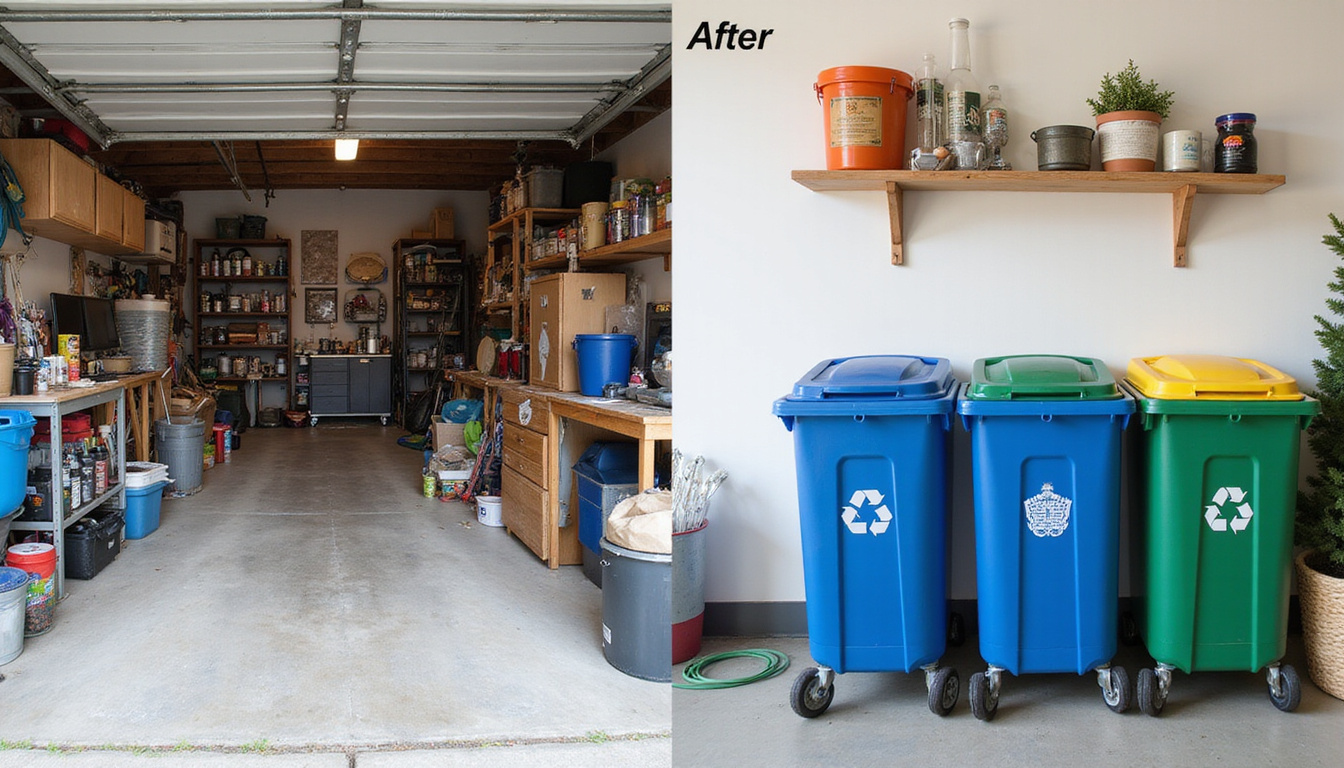
4. Plan Your Drop-Off Location Strategically
Where your dumpster lands can make your cleanout dramatically easier—or a constant headache.
Consider:
-
Driveway vs. street
- Driveway placement is usually easiest and avoids street permits.
- Street placement may require a permit from your city, especially in urban or HOA‑regulated areas.
-
Access for loading
- Position the dumpster as close as possible to the main exit where debris will come out.
- Make sure doors can swing open fully for easy walk‑in loading.
-
Protecting your property
- Ask the dumpster service if they use boards or pads under the wheels to protect your driveway.
- Move vehicles, kids’ toys, and lawn decor out of the way before delivery.
A two‑minute planning conversation with the dispatcher before delivery can save you from having a giant metal box in the wrong spot for a week.
5. Know What You Can (and Cannot) Throw Away
A reliable dumpster service will clearly explain what’s allowed, but it helps to know the common rules in advance. Municipal and federal regulations often prohibit certain items from landfills or require special handling.
Typical allowed items:
- General household junk and clutter
- Furniture and mattresses (check local rules)
- Construction debris (drywall, lumber, tiles)
- Yard waste (branches, leaves, shrubs)
- Non‑hazardous appliances (without refrigerants)
Commonly restricted or prohibited items:
- Paints, stains, and solvents
- Tires and car batteries
- Refrigerators, freezers, and AC units (refrigerants)
- Electronics (TVs, computers, monitors) in some areas
- Chemicals, pesticides, and cleaning agents
- Asbestos, medical waste, and fuels
Improper disposal of hazardous materials can lead to additional charges or legal issues. When in doubt, ask your provider or check local guidelines (for example, the U.S. EPA offers household hazardous waste guidance – source).
6. Load Your Dumpster Like a Pro (and Avoid Overages)
How you load your dumpster directly affects whether you stay within your weight and safety limits. A few on‑the‑ground tricks go a long way.
Smart loading tips:
-
Start with flat, heavy items on the bottom
Place doors, boards, and heavy furniture first to create a stable base. -
Break down everything you can
Disassemble furniture, cut branches, and flatten boxes to save space. -
Fill in gaps as you go
Toss smaller items into open spaces to prevent wasted air pockets. -
Keep weight distributed evenly
Avoid piling everything on one side; this can cause hauling issues or extra fees. -
Mind the “fill line”
Debris must not extend above the dumpster walls. Overfilled containers often cannot be safely hauled and may require you to remove items or pay extra.
A well‑loaded bin can hold significantly more material, meaning fewer hauls and lower total cost.
7. Time Your Dumpster Rental Around Your Project
Another overlooked secret: the timing of your dumpster service can make your cleanout feel effortless versus stressful.
Consider this approach:
-
Phase 1: Prep and sort (before delivery)
- Bag small items.
- Create “keep, donate, trash” zones.
- Disassemble large items you know are going.
-
Phase 2: Delivery day
- Start loading largest and heaviest items first.
- Keep pathways clear for safe carrying.
-
Phase 3: Mid‑rental check-in
- Assess remaining space vs. remaining debris.
- Adjust your pace or request an early pickup / swap‑out if needed.
-
Phase 4: Final sweep
- Do a quick walkthrough of your home, garage, basement, and yard to catch last‑minute items.
- Load these during the final day so you’re not left with random leftovers.
If you’re coordinating a remodel, try to have the dumpster arrive the day demolition begins and picked up shortly after the messiest stages are done.
8. Watch for Hidden Fees and Red Flags
Not all dumpster rental providers are created equal. Knowing what to watch for helps you choose a trustworthy dumpster service and avoid nasty surprises.
Potential red flags:
- Vague quotes with no clear weight limit or rental period
- No written terms or confirmation
- Refusal to explain fees for extra days or overweight loads
- Poor communication about prohibited items
- Consistently negative local reviews or no online presence at all
Good signs of a reputable company:
- Clear, written pricing with included weight and time
- Friendly, straightforward answers to your questions
- On-time delivery and competitive rates
- Flexible scheduling and simple pickup process
- Willingness to help you choose the right size and avoid extra costs
Spend a few minutes checking reviews and verifying the business’s local license or registration. That small effort can prevent a lot of headaches later.
9. Coordinate Permits, HOAs, and Neighbors
Depending on where you live, there may be rules about where a dumpster can go and how long it can stay.
-
City or town permits
- Street placement often requires a temporary right‑of‑way or street occupancy permit.
- Your dumpster provider may handle this for you, or you may need to apply yourself.
-
HOA regulations
- Some homeowners’ associations limit dumpster size, placement, and time on site.
- Inform your HOA in advance to avoid fines or forced removal.
-
Neighbor relations
- If the dumpster will be close to another driveway or property line, a quick heads‑up can prevent conflicts.
- Keep the area tidy and schedule pickup promptly after your project ends.
A few proactive calls can keep your cleanout smooth and drama‑free.
10. Compare Dumpster Service Types for Special Projects
Not every project needs a standard roll‑off dumpster. Ask your provider about service options that may be a better fit:
-
Single‑material dumpsters
- For clean concrete, dirt, or yard waste only.
- Often cheaper per ton because disposal is more straightforward.
-
Short‑term “weekend warrior” rentals
- Ideal for 1–3‑day cleanouts or moves.
- Some companies offer discounted short‑term rates.
-
Junk removal vs. self‑load dumpster
- Full‑service junk removal: crew loads everything for you, usually priced by volume.
- Self‑load dumpster: cheaper if you’re willing and able to do the loading yourself.
Tailoring the dumpster service to your specific job helps you get exactly what you need without overpaying.
Quick Checklist: Before You Book a Dumpster
Use this short list to make sure you’re truly ready:
- [ ] Estimate the volume and type of debris
- [ ] Decide on an appropriate dumpster size
- [ ] Confirm what materials are allowed and prohibited
- [ ] Choose your ideal drop‑off location
- [ ] Check permit and HOA requirements
- [ ] Get at least two written quotes with clear terms
- [ ] Schedule delivery and pickup dates around your project
- [ ] Prep items and clear a path before delivery day
Following these steps will help you get maximum value and minimum hassle from your rental.
FAQ: Common Questions About Dumpster Services
1. How much does a dumpster service cost for a home cleanout?
Costs vary by region, size, and debris, but many residential rentals fall in the range of a few hundred dollars for a 7‑day period, including delivery, pickup, and a set weight limit. The best way to get an accurate number is to request a written quote from local providers and compare.
2. What size dumpster do I need for a whole‑house junk removal?
For an average‑sized home cleanout, a 20‑yard or 30‑yard dumpster rental service is often ideal. A 20‑yard bin is usually enough for decluttering a typical 2–3‑bedroom home, while a 30‑yard is better for hoarding situations, estate cleanouts, or large homes with lots of furniture and stored items.
3. Can a residential dumpster rental handle construction debris?
Yes, most residential roll‑off dumpster services accept construction and renovation debris such as drywall, lumber, flooring, and fixtures. However, materials like concrete, bricks, and roofing shingles can be very heavy; you may need a specific size or a special “heavy debris” dumpster with different weight limits and pricing.
A well‑planned dumpster service can turn a stressful cleanout into a fast, satisfying project—with your space transformed and everything unwanted gone in one shot. If you’re staring down a cluttered garage, a major remodel, or a move on the horizon, now is the perfect time to reserve the right dumpster and take control of the mess.
Reach out to a reputable local dumpster rental company today, walk them through your project, and lock in the size and schedule that fits your needs. With the right partner and a bit of planning, your cleanout really can be hassle free.
Junk Guys San Diego
Phone: 619-597-2299
Website: www.junkguyssd.com
Email: junkguyssd619@gmail.com