
Lot Clearing Secrets: Transform Your Property Fast and Affordably
If you’ve ever dreamed of turning a rough, overgrown piece of land into a usable yard, buildable site, or investment opportunity, lot clearing is the crucial first step. Done right, lot clearing can dramatically increase your property’s value, boost curb appeal, and unlock new possibilities—without draining your bank account. Done wrong, it can become a costly, slow, and even dangerous headache.
This guide breaks down the real-world secrets contractors use to clear land quickly, safely, and affordably, so you can approach your next project with confidence.
What Is Lot Clearing (and Why It Matters So Much)?
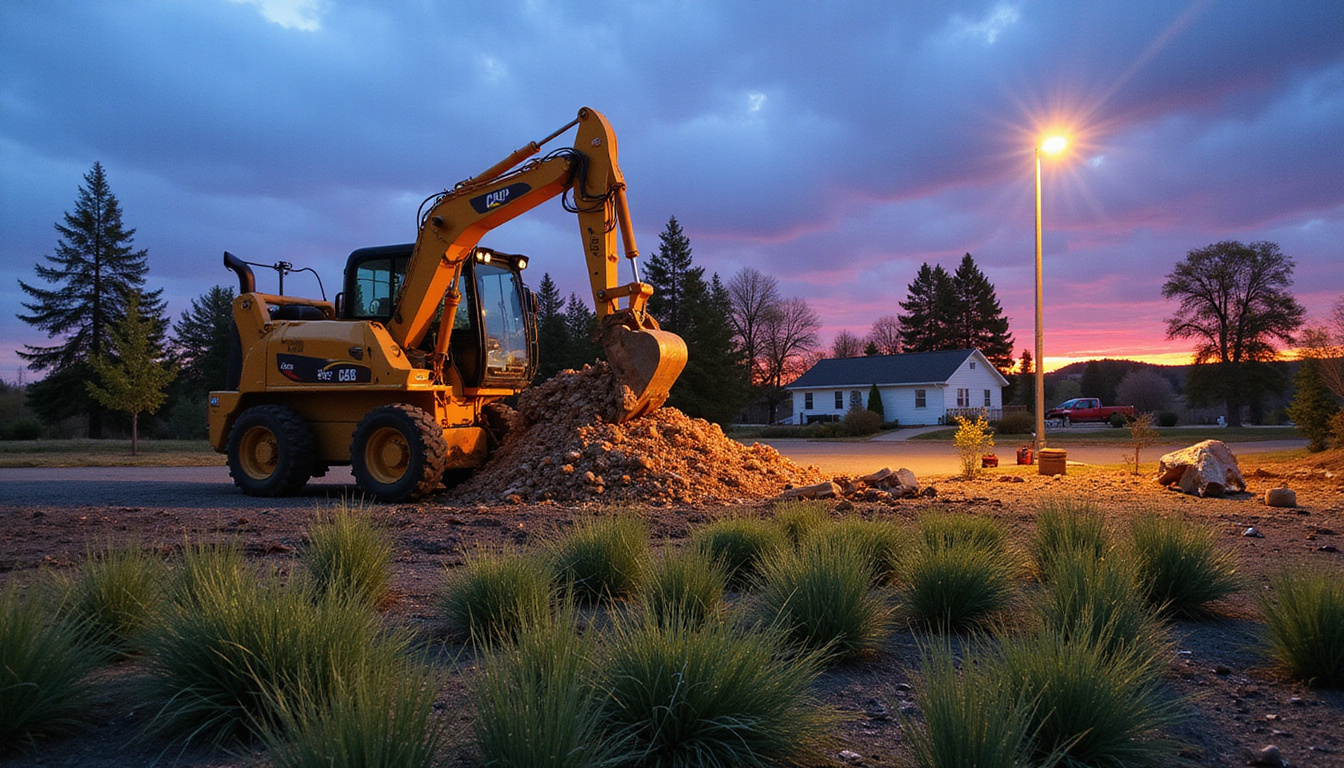
Lot clearing is the process of removing trees, brush, stumps, debris, and obstacles from a piece of land to prepare it for a new use—such as building a home, expanding a yard, installing a driveway, or improving drainage.
Effective lot clearing matters because it:
- Sets the foundation for all future work (grading, utilities, building)
- Prevents damage to structures, vehicles, and underground utilities
- Reduces fire risk and pest habitats
- Improves drainage and erosion control
- Immediately improves appearance and market value
Think of lot clearing as “resetting” your property: stripping away what’s in the way so your plans can actually happen.
Step One: Define Your Goal Before You Remove a Single Tree
The biggest money-waster in lot clearing is removing more than you need—or removing the wrong things. Before calling in a contractor or renting equipment, get specific about your end goal.
Ask yourself:
- Are you preparing for a house, garage, or shop?
- Do you want a manicured lawn, a natural wooded lot, or something in between?
- Do you need room for a driveway, parking, or future outbuildings?
- Are you solving a problem (poor drainage, fire risk, safety issues)?
Draw a simple sketch of your property with:
- Areas that must stay clear (house pad, driveway, septic field)
- Trees or features you definitely want to keep (shade trees, view buffers)
- Problem spots (dense brush, low wet areas, leaning trees)
Bringing this plan to anyone quoting your lot clearing will speed up the process and reduce “change orders” that inflate the final bill.
Permits, Rules, and Hidden Restrictions
Before you start cutting, check local regulations. Many cities, counties, and HOAs have rules about lot clearing, including:
- Tree preservation ordinances (especially for large or heritage trees)
- Wetland and stream buffer protections
- Erosion-control requirements on slopes
- Burn bans or rules on open burning of brush
- Required permits for large-scale clearing or grading
Start by:
- Calling your local building or planning department.
- Asking if you need permits for tree removal or grading.
- Confirming any restrictions related to waterways, wetlands, or steep slopes.
Ignoring this step can lead to fines, mandatory replanting, or project delays. It’s cheaper and faster to do it right the first time.
DIY vs. Hiring a Pro: How to Decide
Not all lot clearing is created equal. Sometimes a homeowner with a chainsaw and a weekend can handle it; other times, you absolutely want a professional crew with heavy equipment.
DIY Lot Clearing Is Reasonable When:
- The area is small (e.g., under ¼ acre of light brush)
- Trees are small and not near structures or power lines
- You have basic equipment (chainsaw, brush cutter)
- You’re comfortable with physical labor and safety practices
Hire a Professional When:
- There are large trees, dead/hanging limbs, or storm-damaged timber
- Trees are close to buildings, fences, or power lines
- The terrain is steep, rocky, or wet
- You’re under time pressure (new build schedule, sale closing)
- You need grading, stump removal, or hauling as part of the job
Tree work is one of the most dangerous occupations (source: Bureau of Labor Statistics); trying to fell large trees without training or proper gear is a common cause of serious injury and property damage.
A smart hybrid strategy: handle simple brush clearing yourself, and hire a pro for big trees, stumps, and grading.
What Really Drives the Cost of Lot Clearing?
Understanding what affects the price of lot clearing helps you control costs and evaluate quotes fairly.
Major cost drivers include:
-
Size of the lot and area to be cleared
- More acreage = more time, fuel, and labor.
- But larger projects sometimes benefit from better per-acre pricing.
-
Density and type of vegetation
- Light brush and saplings are cheaper than thick woods or mature trees.
- Hardwoods (oak, maple) can be tougher and slower to remove than softwoods (pine).
-
Stumps and root systems
- Grinding stumps is often cheaper than full extraction.
- Large root balls in clay or rocky soil can increase costs.
-
Terrain and access
- Steep slopes, wetlands, or poor access for machinery = higher cost.
- Tight city lots can be more expensive than open rural land.
-
Debris handling
- Piling and leaving on-site is cheapest.
- Hauling to a landfill or chip yard adds dumping fees and labor.
- Mulching on-site with a forestry mulcher can be cost-effective.
-
Local labor and disposal rates
- Urban markets and areas with high dump fees tend to be pricier.
Typical cost ranges vary widely, but many homeowners see estimates anywhere from a few hundred dollars for light brush to tens of thousands for multi-acre, heavily wooded clearing with grading. Multiple detailed quotes are essential.
Insider Tricks to Cut Lot Clearing Costs
Seasoned contractors use a few predictable strategies to keep lot clearing affordable. You can, too.
1. Be Selective: Clear Only What You Must
Don’t pay to remove trees or vegetation that don’t interfere with your plans. Selective lot clearing can:
- Preserve natural shade and privacy
- Reduce erosion risk
- Cut clearing costs significantly
Mark trees to keep with bright tape before any work starts.
2. Time Your Project Strategically
In some regions, you can save money by scheduling lot clearing:
- In slower seasons for contractors (often late fall or winter)
- When the ground is frozen or firm, reducing ruts and access issues
- Before leaf-out, so visibility is better and brush density is reduced
Ask contractors if their rates vary by season or if they offer off-peak discounts.
3. Handle Some Labor Yourself
You might:
- Cut and stack small brush and limbs
- Remove old fencing, junk, and surface debris in advance
- Flag property lines and “keep” trees clearly
This can reduce the time a professional crew spends onsite, trimming your bill.
4. Turn Debris into Value
Instead of paying to haul everything away, consider:
- Chipping brush on-site for use as garden mulch or erosion control
- Milling large logs into lumber if you have valuable species and access to a portable sawmill
- Cutting firewood from downed trees for personal use or sale
Let your contractor know in advance if you want logs or chips left on-site.
5. Bundle Work for Better Pricing
If neighbors also need lot clearing or tree work, you may be able to negotiate a better rate by:
- Combining projects so equipment only mobilizes once
- Asking for a reduced “per tree” or “per acre” rate for larger volumes
Contractors often appreciate efficient scheduling and may pass savings along.
The Lot Clearing Process: What to Expect Step by Step
A professional lot clearing project typically follows this sequence:
-
Site walk-through and plan
- You walk the property with the contractor.
- You mark boundaries, “keep” trees, and any underground utilities.
-
Permits and approvals
- Either you or the contractor obtains required permits.
- Erosion-control measures may be installed if required.
-
Felling trees and removal of brush
- Trees are felled safely, usually away from structures.
- Brush is cut, piled, chipped, or mulched.
-
Stump handling
- Stumps are ground flush or removed entirely, depending on your plan.
- Root balls from key areas (building pads, driveways) are extracted.
-
Debris management
- Logs and brush are either hauled away, chipped, burned (where legal), or stacked.
-
Rough grading and cleanup
- The ground is leveled roughly to remove large bumps and holes.
- Major ruts from equipment are filled.
- Final walk-through ensures scope is complete.
Knowing this flow helps you ask better questions and avoid miscommunication, such as assuming grading or debris hauling is included when it’s not.
Choosing the Right Lot Clearing Contractor
Not all contractors who own a chainsaw and skid steer are equal. To find a reliable pro:
-
Check licensing and insurance
- Confirm they carry general liability and workers’ compensation coverage.
- Ask for proof, not just a verbal assurance.
-
Ask about relevant experience
- “How many similar lot clearing projects have you done in the last year?”
- Experience with your terrain and project type matters.
-
Request a written, itemized quote
- Separate line items for tree removal, stump handling, debris disposal, and grading.
- Clarify what happens if they encounter unexpected conditions (e.g., buried junk).
-
Get references or local reviews
- Online reviews and photos of past jobs can be revealing.
- If possible, drive by a completed project.
-
Compare more than price
- Consider communication, clarity of scope, safety practices, and timeline.
A slightly higher bid from a thorough, well-reviewed contractor is often cheaper in the long run than a low bid that leads to change orders or poor-quality work.
Safety First: Non-Negotiables in Lot Clearing
Whether you’re doing part of the work yourself or supervising a crew, safety must be at the top of the list.
Key safety practices include:
- Calling utility locators before digging or stump removal
- Wearing proper PPE (helmet, eye and ear protection, chainsaw chaps, gloves)
- Maintaining safe distances from active machinery
- Keeping children and pets away from the work zone
- Never operating chainsaws or equipment beyond your skill level
Shortcuts in lot clearing can end in injuries, fires, or expensive property damage. If a task feels beyond your comfort zone, hire it out.
FAQs About Lot Clearing and Land Preparation
1. How long does lot clearing usually take for a residential property?
For a typical residential lot with moderate trees and brush, professional lot clearing often takes 1–3 days, depending on site access, debris handling, and whether grading and stump removal are included. Larger or heavily wooded properties can take a week or more.
2. What’s the difference between lot clearing and forestry mulching?
Forestry mulching is a specific lot clearing method where a machine grinds trees and brush into mulch on-site, without the need for hauling or burning. It’s efficient for clearing underbrush and small trees while leaving the soil structure mostly intact, but it may not be ideal if you need stumps completely removed for building or paving.
3. Can I finance lot clearing costs or roll them into construction?
Many new-home builds roll land clearing and site prep into the overall construction budget. Some contractors offering land clearing services may provide payment plans or work with lenders. If you’re preparing raw land for a future build, ask your builder or lender whether lot clearing costs can be included in your construction loan.
Transforming an overgrown lot into a clean, usable space doesn’t have to be overwhelming or unaffordable. With a clear plan, a basic understanding of what drives cost, and the right combination of DIY effort and professional help, lot clearing can quickly turn your property from “untouchable” to “full of potential.”
If you’re ready to see what your land could really become, start today: sketch your ideal layout, walk your property with fresh eyes, and reach out to reputable local lot clearing professionals for quotes. Every day you wait is another day your property sits underused—take the first step now and unlock the full value of your land.
Junk Guys San Diego
Phone: 619-597-2299
Website: www.junkguyssd.com
Email: junkguyssd619@gmail.com