Choosing what to give—and where to give it—can dramatically increase the impact of your generosity. Not all donations are equally useful, and not every donation center is designed to handle the same types of items. Understanding those differences helps your gifts actually reach people who need them most, instead of ending up in a landfill or on a clearance rack.
This guide walks you through what to donate, where it should go, and how to make smarter, more strategic giving decisions that truly help.
How Donation Centers Really Work (Behind the Scenes)
Most people picture a donation center as a place where items go straight from your trunk to someone in need. In reality, there are several types of centers with different missions and processes:
-
Thrift-store donation centers
These accept items, sort them, price them, and sell them to fund programs (job training, shelters, addiction recovery, etc.). Unsellable items may be recycled or sent to secondary markets. -
Nonprofit direct-service centers
Food pantries, homeless shelters, refugee resettlement agencies, crisis pregnancy centers, and domestic violence shelters often maintain small, targeted donation rooms. Items usually go straight to clients at no cost. -
Specialized recycling or reuse centers
Electronics recycling facilities, textile recyclers, building material reuse centers, and medical equipment banks take specific categories of goods and keep them out of landfills. -
Faith-based and community-run donation centers
Often attached to churches, community centers, or neighborhood nonprofits, these tend to serve a hyper-local population with a curated list of needs.
Knowing the type of donation center you’re dealing with helps you donate items that they can actually use or sell effectively.
What to Donate: Items That Almost Always Help
Some items are consistently in high demand across multiple types of donation centers. When in doubt, these categories are a safe bet—provided they’re clean, working, and in good condition.
1. Clothing (the Right Kind)
Clothing is the most commonly donated category—and also among the most mis-donated. The best items:
- In-season, gently used or new
- Clean and free of stains, tears, and strong odors
- Practical for everyday wear
Most needed clothing items typically include:
- Sturdy coats and jackets
- Work-appropriate attire (button-ups, blouses, slacks)
- Children’s clothing in good condition
- New socks and underwear (used undergarments are almost never accepted)
- Shoes in wearable condition
Professional clothing, in particular, is invaluable for programs helping people reenter the workforce.
2. Household Essentials
Basic household items can transform life for people moving out of shelters, setting up a first apartment, or rebuilding after a crisis:
- Pots and pans
- Dishes, bowls, cups, and silverware
- Bed linens and blankets (often must be in excellent or new condition)
- Towels and washcloths
- Small appliances (toasters, microwaves, coffee makers) in working order
Shelters, refugee agencies, and housing nonprofits often maintain lists of exactly what household items they need most.
3. Non-Perishable Food
Food-focused donation centers and pantries depend on ongoing community support. Most-requested items include:
- Canned protein: tuna, chicken, salmon, beans
- Shelf-stable milk or milk alternatives
- Peanut butter and other nut butters
- Rice, pasta, and whole grains
- Canned vegetables and fruit (in water or juice rather than syrup)
- Healthy snacks for kids (granola bars, applesauce pouches)
Always check expiration dates and avoid glass containers if the center asks.
4. Hygiene and Personal Care Products
Hygiene items are frequently overlooked but profoundly important to dignity and health:
- Toothpaste, toothbrushes, floss
- Soap, body wash, shampoo, conditioner
- Deodorant
- Menstrual products (pads, tampons, menstrual cups)
- Diapers and baby wipes
- Adult incontinence products
Many shelters and community donation centers list these as their top needs.
5. Furniture and Large Items
When accepted, larger items can significantly change a family’s quality of life:
- Beds and bed frames (especially twin and full)
- Dressers and nightstands
- Kitchen tables and chairs
- Sofas in good, clean condition
- Desks and bookshelves
Not every donation center can store large items, so always call ahead or check online guidelines. Some will offer pickup for furniture that meets their standards.
What Not to Donate: Common Problem Items
Even the most generous donations can create problems if the items are unusable or inappropriate for a particular donation center. Common “no” items include:
- Broken electronics or appliances
- Torn, stained, or excessively worn clothing
- Mattresses and box springs (many centers cannot accept these for health and safety reasons)
- Cribs, car seats, and certain baby items that may no longer meet safety standards
- Open or expired food, vitamins, or medications
- Hazardous materials (paint, chemicals, motor oil)
- Items with strong smells (mold, smoke, heavy perfume)
Many centers end up paying to dispose of unusable donations—diverting money away from services. When in doubt, ask yourself: Would I feel good about giving this to a friend? If not, it likely doesn’t belong at a donation center.
Matching the Right Items to the Right Donation Center
To maximize impact, think strategically about where you donate specific categories of items.
Clothing and Accessories
- Best for: Thrift-store donation centers, clothing closets, refugee and resettlement agencies, school clothing banks
- Tip: Split donations: high-quality workwear to workforce programs, children’s clothing to family shelters, casual items to general thrift stores.
Food and Groceries
- Best for: Local food pantries, community fridges, mutual aid groups, church-run food banks
- Tip: Call ahead to see if they accept fresh produce or frozen items; some can handle these, others cannot.
Electronics and Tech
- Best for: Certified e-waste/recycling centers, refurbishing nonprofits that supply low-cost tech to students or low-income households
- Tip: Always wipe personal data and include chargers if possible.
Furniture and Household Goods
- Best for: Habitat ReStores, housing nonprofits, refugee agencies, some thrift chains with furniture sections
- Tip: Many organizations post photos and condition guidelines online so you can self-screen before donating.
Books, Toys, and School Supplies
- Best for: Libraries, literacy nonprofits, schools, after-school programs, children’s hospitals, and youth shelters
- Tip: Prioritize gently used, age-appropriate, and non-violent toys and books.
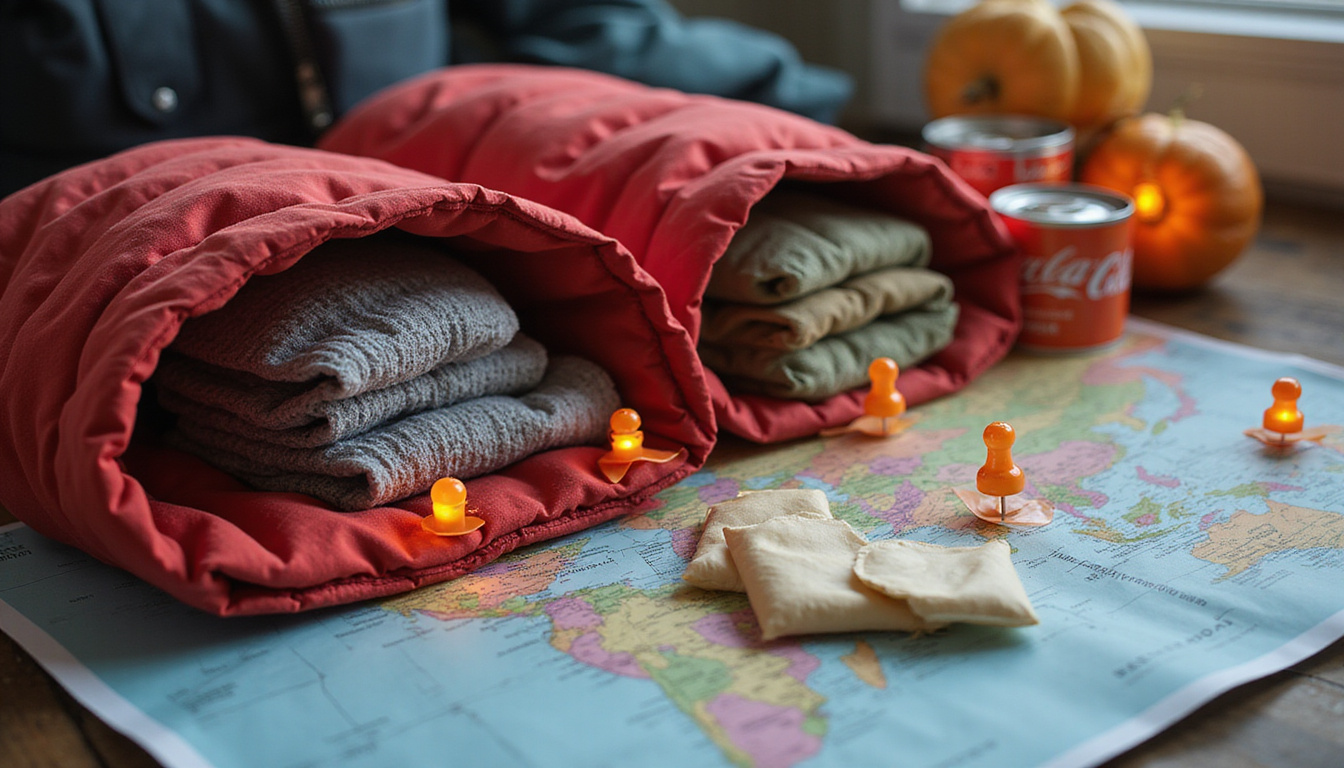
How to Prepare Your Donations So They Actually Get Used
Thoughtful preparation can be the difference between your items being immediately helpful or going straight into a discard bin.
-
Clean thoroughly
Wash clothing and linens, wipe down hard goods, and empty crumbs from appliances. -
Sort and label
- Group similar items together (baby clothes, kitchenware, office supplies).
- Label bags or boxes briefly (“Girls 4T–6X,” “Kitchen – pots and pans”).
-
Check quality and safety
Test electronics, count puzzle pieces if possible, and avoid donating anything broken or incomplete. -
Follow center-specific guidelines
Most organizations list their donation policies on their websites, including drop-off hours and banned items. -
Respect hours and staff capacity
Never leave donations outside a closed donation center; they can be damaged by weather and may create extra work or safety issues.
A bit of extra effort on your side significantly reduces labor for staff and volunteers and increases the chance your items go exactly where they’re needed.
Beyond “Stuff”: When Money May Help More
While physical donations are valuable, there are times when financial gifts have greater impact:
- Flexibility: Cash allows organizations to purchase high-need items in the exact sizes and quantities required.
- Bulk purchasing power: Nonprofits often get discounts or wholesale pricing that stretch your dollar further.
- Filling strategic gaps: Centers can cover rent, utilities, staffing, and logistics—things donated goods can’t pay for.
According to Feeding America, every dollar donated to their network helps secure at least 10 meals on average (source: Feeding America). That’s a level of efficiency most individuals can’t achieve on their own.
Consider a combined approach: donate quality items and include a monetary contribution, even a modest one, to help the donation center handle the costs of storage, sorting, and distribution.
A Simple Checklist Before You Head to the Donation Center
Use this quick list to make your next drop-off as effective as possible:
- [ ] Have I checked the donation guidelines for this specific center?
- [ ] Are all items clean, complete, and in working order?
- [ ] Would I feel comfortable giving each item to a friend or neighbor?
- [ ] Have I labeled boxes or bags to make sorting easier?
- [ ] Am I dropping off during official donation hours?
- [ ] Should I split my donations across more than one center to better match needs?
FAQs About Donation Centers and Smart Giving
1. What items do most donation centers need the most?
Most donation centers consistently need:
- In-season clothing in good condition
- Non-perishable food items (protein and staple foods)
- Hygiene items (especially menstrual products, diapers, and soap)
- Household basics like dishes, pots, and linens
However, needs change, so it’s wise to check each organization’s “current needs” list online or by phone.
2. Where can I donate items so they help people in my local community?
To keep your donations local, look for:
- Community-run thrift stores and church-based clothing closets
- Food pantries and community fridges in your neighborhood
- Shelters, refugee agencies, and youth programs nearby
Many cities have online directories where you can search “donation center near me” along with item types (e.g., “furniture,” “electronics,” “baby items”) to find the best local fit.
3. How do I know if a donation drop-off center is reputable?
Signs of a reputable donation drop off center include:
- Clear information about their mission and how donations are used
- Transparent financials or annual reports for nonprofits
- Detailed donation guidelines and hours posted online or on-site
- Staff or volunteers available to answer questions
When possible, look up reviews, check their website, or verify nonprofit status through databases like GuideStar or your country’s charity registry.
Turn Your Next Donation Drop-Off into Real Impact
What you give—and where you give it—matters. By matching your items to the right donation center, focusing on high-need categories, and taking a few extra minutes to clean and sort, you transform “getting rid of stuff” into meaningful support for your community.
Before your next closet clean-out or move, pause and plan your giving. Look up a few local centers, check their wish lists, and prepare your donations thoughtfully. Your effort can help a parent furnish a new home, a job-seeker dress for an interview, or a family put dinner on the table.
Start today: pick one area of your home—your pantry, closet, or garage—gather items in good condition, and choose a donation center where they’ll do the most good. Your small steps add up to big change for someone else’s life.
Junk Guys San Diego
Phone: 619-597-2299
Website: www.junkguyssd.com
Email: junkguyssd619@gmail.com