
Household Hazardous Waste Safety Tips to Protect Your Home
Household hazardous waste is more common than most people realize. From old paint and cleaners to pesticides and batteries, nearly every home has products that can harm your health or the environment if they’re stored, used, or discarded improperly. Knowing how to manage household hazardous waste safely is one of the simplest and most effective ways to protect your family, your pets, and your home.
This guide walks you through practical, easy-to-follow household hazardous waste safety tips, so you can stay safe without overhauling your entire lifestyle.
What Is Household Hazardous Waste?
Before you can manage it, you need to know what it is.
Household hazardous waste (HHW) includes common household products that exhibit one or more of the following characteristics:
- Flammable – easily ignites (e.g., gasoline, solvents, some aerosols)
- Corrosive – can burn skin or corrode metals (e.g., oven cleaner, drain openers)
- Reactive – can explode or produce toxic fumes when mixed (e.g., some pool chemicals)
- Toxic – harmful or fatal if swallowed, inhaled, or absorbed (e.g., pesticides, some cleaners)
Typical examples include:
- Paints, stains, and paint thinners
- Automotive fluids (motor oil, antifreeze, brake fluid, gasoline)
- Household cleaners and disinfectants
- Pesticides, herbicides, and fertilizers
- Pool and spa chemicals
- Aerosol sprays
- Batteries (especially rechargeable and button batteries)
- Fluorescent bulbs and some electronics
These products are useful when handled correctly—but dangerous when misused, stored improperly, or poured down the drain or into the trash.
Step 1: Identify Household Hazardous Waste in Your Home
Start by finding out exactly what you have. A quick sweep of your home can reveal more than you expect.
Check These Common Areas
- Garage or shed – paints, automotive fluids, pesticides, fuel
- Kitchen – oven cleaner, drain cleaner, bleach, degreasers
- Bathroom – nail polish remover, hair dye, rubbing alcohol, aerosols
- Laundry room – bleach, stain removers, solvents
- Basement/utility room – cleaners, pool chemicals, old electronics
Read the Labels
Look for warning words such as:
- “Danger,” “Warning,” “Caution”
- “Corrosive,” “Flammable,” “Toxic,” “Poison”
- Pictograms (flame, skull and crossbones, exploding bomb, etc.)
Anything with these warnings is likely a type of household hazardous waste and should be treated with extra care.
Step 2: Safe Storage Practices to Prevent Accidents
Storing household hazardous waste correctly is one of the best ways to prevent fires, poisonings, and chemical reactions.
General Storage Rules
- Keep products in their original containers. The original label has critical safety and first-aid information.
- Ensure lids are tightly closed. Prevents leaks, spills, and evaporation of fumes.
- Store out of reach of children and pets. Use locked cabinets or high shelves.
- Separate incompatible materials.
- Keep bleach away from ammonia and acids.
- Store pool chemicals separately from anything organic or flammable.
- Keep fuels and solvents far from heat or ignition sources.
Choose the Right Location
- Cool, dry, well-ventilated areas are best.
- Avoid direct sunlight and temperature extremes (no attics or car trunks).
- Store flammables (gasoline, paint thinner) in approved containers in a detached shed or garage if possible.
- Never store chemicals near food, animal feed, or drinking water.
Label and Date Everything
If labels are worn or hard to read:
- Add your own clear label with the product name and date purchased or opened.
- Mark products that are nearly empty or clearly old so you can prioritize them for disposal.
Step 3: Use Hazardous Products Safely
Household hazardous waste often starts as a useful product. Safe use can prevent injuries and reduce leftover waste.
Follow Label Directions Every Time
- Use only as directed (e.g., never mix cleaners unless the label specifically says it’s safe).
- Use the smallest effective amount to finish the job.
- Never remove or defeat safety features like child-resistant caps.
Ensure Good Ventilation
- Open windows and doors when using strong cleaners, paints, or solvents.
- Use exhaust fans in bathrooms and kitchens.
- Take projects like spray painting or staining outdoors when possible.
Protect Yourself
Wear appropriate protective gear:
- Chemical-resistant gloves
- Eye protection (goggles or safety glasses)
- A mask or respirator if the product label recommends it
- Old clothing that covers skin
Wash hands thoroughly after use and avoid touching your face while working.
Step 4: What Not to Do with Household Hazardous Waste
Improper disposal is one of the biggest problems with household hazardous waste. Certain habits are especially risky.
Never Do the Following
-
Never pour HHW down the drain or toilet.
It can damage plumbing, harm septic systems, and contaminate waterways. -
Never put liquid hazardous waste in the regular trash.
It can leak, react with other materials, or endanger sanitation workers. -
Never burn household hazardous waste.
Burning can create toxic fumes and air pollutants. -
Never mix different chemicals together.
You risk chemical reactions, explosions, or poisonous gases. -
Never dump HHW on the ground or in storm drains.
It can contaminate soil, groundwater, and local ecosystems.
According to the U.S. Environmental Protection Agency, improper handling and disposal of hazardous household products can contribute to serious environmental contamination and health risks (source: EPA Household Hazardous Waste).
Step 5: Safer Disposal Options for Household Hazardous Waste
To keep your home and community safe, dispose of household hazardous waste using local programs and designated facilities.
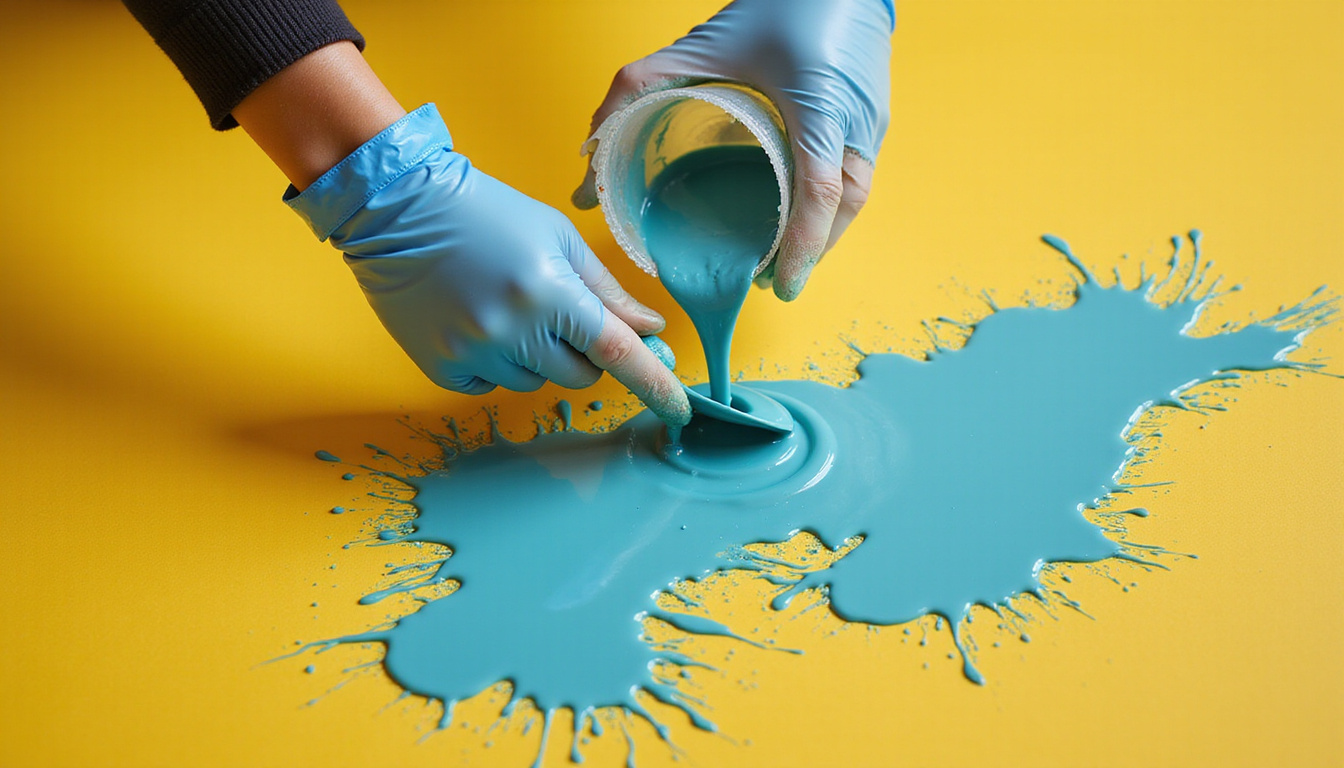
Use Local HHW Collection Programs
Most communities offer:
- HHW collection days or events – scheduled times when residents can drop off items like paint, batteries, and chemicals.
- Permanent HHW facilities – year-round drop-off sites operated by your city or county.
Check your local government or waste management website for schedules, accepted items, and any fees.
Retail Take-Back Programs
Some retailers accept specific types of household hazardous waste:
- Home improvement stores – may take back fluorescent bulbs, rechargeable batteries, and some paints.
- Auto parts stores – often accept used motor oil, oil filters, and car batteries.
- Electronics stores – may recycle old electronics and certain batteries.
Call ahead or check online to confirm what your local stores accept.
Handling Specific Items
-
Paint and stains:
- If usable, consider donating to schools, community centers, or neighbors.
- Many areas offer special paint recycling programs.
-
Used motor oil and antifreeze:
- Store in tightly sealed, clearly labeled containers.
- Take to a certified collection center or auto shop that accepts them.
-
Batteries:
- Recycle rechargeable and button batteries at designated locations.
- Follow local guidelines for single-use batteries; some areas require recycling.
-
Medications:
- Use pharmacy take-back programs or authorized drop boxes.
- If no program is available, follow FDA or local guidance—never flush unless the label specifically says it is safe.
Step 6: Reduce Future Household Hazardous Waste
The easiest waste to manage is the waste you never create. Small changes in purchasing and habits can significantly cut down on household hazardous waste.
Shop Smarter
- Buy only what you need. Avoid large “just in case” quantities of paints, pesticides, and chemicals.
- Choose safer or “green” alternatives when they’re effective—such as vinegar-based cleaners or low-VOC paints.
- Opt for pump sprays instead of aerosols when possible.
Use Up Products Completely
- Plan projects to use all of a product.
- If you have leftover material, ask friends, family, or neighbors if they can use it.
- Use older products first and store them where you’ll remember them.
Consider Non-Chemical Alternatives
- Use manual tools (scrub brushes, plungers) before resorting to harsh drain openers.
- Try physical weed removal or mulching instead of routine pesticide use.
- Use traps or exclusion methods for pests before chemical treatments.
Reducing your reliance on hazardous products not only minimizes future waste but also creates a healthier indoor environment.
Step 7: Create a Simple Household Hazardous Waste Safety Plan
A basic plan keeps your efforts organized and makes it easier to maintain safe habits over time.
Suggested Action Checklist
- Inventory all household hazardous waste products in your home.
- Reorganize storage to keep items labeled, sealed, and out of reach of children and pets.
- Set aside products you no longer need in a clearly marked box or bin.
- Look up local HHW programs and schedule your next drop-off.
- Switch to safer alternatives when restocking cleaners, paints, or yard chemicals.
- Educate your family about basic safety, including what not to touch and how to respond to spills.
- Review annually to clear out old materials and refresh safe storage practices.
What to Do If There’s a Spill or Exposure
Even with precautions, accidents can happen. Knowing how to respond can prevent minor issues from becoming emergencies.
For Small Spills
- Ventilate the area immediately.
- Wear gloves and eye protection.
- Use absorbent materials (kitty litter, paper towels, rags) to contain and clean up.
- Place used cleanup materials in a sealed plastic bag or container and treat them as household hazardous waste.
- Wash the area thoroughly according to the product label.
For Skin or Eye Contact
- Follow the first-aid instructions on the label.
- Rinse skin or eyes with plenty of water for the time indicated.
- Remove contaminated clothing.
- Seek medical attention if irritation persists or if the product label instructs you to do so.
For Inhalation or Ingestion
- Move to fresh air immediately if fumes are inhaled.
- If swallowed, do not induce vomiting unless the label or a medical professional instructs you.
- Contact your local poison control center or emergency services right away and have the product container on hand.
FAQs About Household Hazardous Waste Safety
1. How do I know if something counts as household hazardous waste?
Look for labels that say “danger,” “warning,” “caution,” or terms like flammable, corrosive, or toxic. Products such as paint thinners, pesticides, strong cleaners, fuels, and some batteries are almost always considered household hazardous wastes and should be stored and disposed of carefully.
2. Can I put household hazardous materials in the trash if the container is empty?
If a container is truly empty—no liquid remaining and only a thin residue—it’s usually safe to dispose of in the regular trash, but rules vary by location. Containers that still have liquid or significant product inside should go to a household hazardous waste collection program or other approved facility.
3. What’s the best way to dispose of old household chemicals and cleaners?
The safest method is to use your community’s household hazardous waste disposal options, like special collection events or permanent drop-off sites. Do not pour chemicals down the drain or outside. Some items, like batteries and used oil, may be accepted at local retailers or recycling centers.
Managing household hazardous waste doesn’t have to be overwhelming. By identifying what you have, storing it safely, disposing of it properly, and gradually switching to safer alternatives, you dramatically reduce risks to your family, pets, and the environment.
Take 10 minutes today to do a quick inventory of hazardous products in your home, set aside what you no longer need, and look up your local HHW disposal options. Acting now will make your home safer, cleaner, and better prepared for the future.
Junk Guys San Diego
Phone: 619-597-2299
Website: www.junkguyssd.com
Email: junkguyssd619@gmail.com