A well-organized community cleanup can do far more than pick up trash. Across cities and towns, residents are turning abandoned, overgrown, or trash-filled lots into vibrant public spaces that support recreation, local food, and social connection. When neighbors roll up their sleeves together, they don’t just transform land—they transform how people feel about where they live.
This article explores how community cleanup efforts are reshaping neglected properties, what it takes to launch a successful project, and why these transformations matter for health, safety, and local pride.
Why Community Cleanup Matters More Than You Think
Neglected lots are more than an eyesore. They can:
- Attract illegal dumping and vandalism
- Lower nearby property values
- Make residents feel unsafe or unwelcome in their own neighborhood
A community cleanup initiative directly tackles these issues, visible and invisible. The simple act of organizing people to care for a space sends a strong signal: this neighborhood is cared for, and the people who live here deserve a clean, inviting environment.
Research supports what residents often feel intuitively. Studies have shown that greening vacant lots and cleaning up blighted areas can reduce crime, improve mental health, and foster stronger social ties among neighbors (source: U.S. Environmental Protection Agency).
From Abandoned Lot to Community Asset: The Transformation Journey
Turning a forgotten lot into a thriving public space doesn’t happen overnight, but the steps are more accessible than many communities realize. Most successful projects move through several stages.
1. Seeing Potential Where Others See Waste
Every transformation starts with a shift in mindset. Instead of walking past a vacant lot and thinking “eyesore,” community leaders and residents begin to ask:
- Could this be a playground or pocket park?
- Could we plant a community garden here?
- Could this be an outdoor classroom, art space, or gathering spot?
When people imagine what could be, they begin to rally support. Photos of the current condition, rough sketches of ideas, and examples from other cities help neighbors see the potential and get excited about a community cleanup.
2. Organizing Neighbors and Stakeholders
Next comes the organizing phase. This is where a community cleanup goes from idea to action. Key steps typically include:
- Form a small core team. Even 3–5 committed people can drive huge change.
- Engage nearby residents first. Knock on doors, share flyers, and listen to what locals actually want.
- Identify stakeholders. Schools, faith groups, local businesses, and neighborhood associations can provide volunteers, supplies, or funds.
- Clarify the vision. Is the lot becoming a garden, playground, dog park, or multi-use space? A clear purpose helps with planning and fundraising.
The more people who feel ownership over the project, the more likely the space will remain vibrant and well-maintained over time.
3. Getting Permission and Navigating Red Tape
Before any shovel hits the soil, you’ll need to address land ownership and local regulations. This can sound intimidating, but many municipalities now have programs specifically designed to support community cleanup and greening projects.
Typical actions include:
- Finding out who owns the lot (city, county, private owner, land bank)
- Securing written permission or a lease agreement
- Checking zoning requirements and any usage restrictions
- Confirming liability and, if needed, arranging insurance through a partner group
Local planning or parks departments, as well as nonprofit land trusts, can provide guidance and sometimes even templates for community-led projects.
Planning a Successful Community Cleanup Day
With the vision and permissions in place, it’s time to plan the core event: the community cleanup that will kick off the transformation.
Essential Planning Steps
- Set a clear date and time. Avoid major holidays and check the local event calendar.
- Define the scope. Will you simply remove trash and debris, or also do basic landscaping and planting?
- Create a checklist of needs. Tools, safety equipment, water, snacks, sign-in sheets, first-aid kit, and waste disposal plans.
- Recruit volunteers. Use social media, school announcements, faith communities, and local businesses to spread the word.
- Coordinate waste removal. Arrange for trash pickup with the city or a private hauler, and consider recycling and composting options.
Safety First
Even the most enthusiastic community cleanup must prioritize safety. Provide or ask volunteers to bring:
- Sturdy gloves
- Closed-toe shoes or boots
- Sunscreen and hats
- Reusable water bottles
If the lot has been heavily neglected, it may also be wise to contact the city about potential hazards (e.g., sharp debris, needles, unstable structures) and get guidance on safe removal or professional assistance where needed.
Designing Vibrant Public Spaces That Last
Once the site is cleared, the fun and creativity really begin. A former dumping ground or weed-filled lot can now be reimagined into something beautiful and functional.
Choosing the Right Use for Your Neighborhood
There’s no one-size-fits-all solution. The best designs emerge when neighbors decide together how they want to use the space. Common options include:
- Community gardens: Raised beds, fruit trees, herb plots, and composting areas
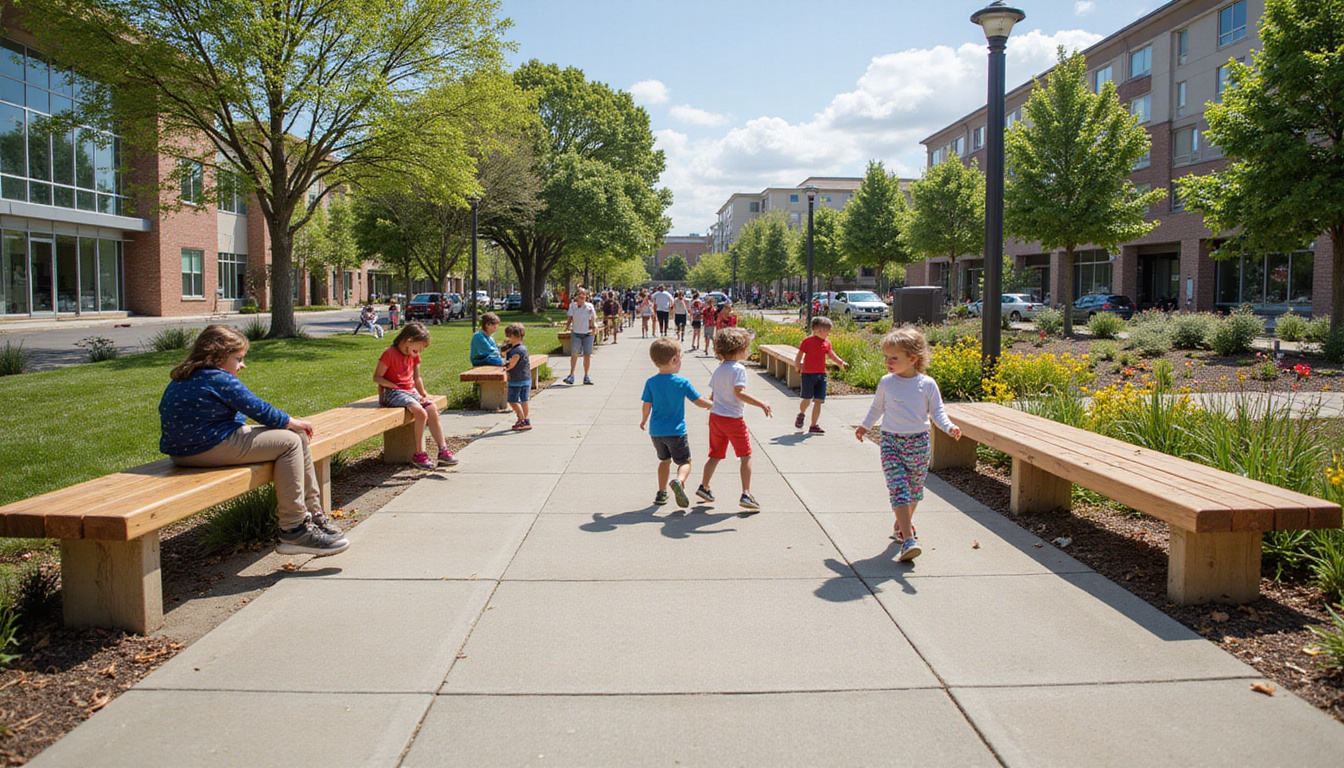
- Pocket parks: Benches, shade trees, native plants, and open lawn space
- Play areas: Natural play features, small playground equipment, or obstacle courses
- Outdoor art spaces: Murals, sculpture gardens, or performance areas
- Multi-use gathering spots: Picnic tables, grills, bulletin boards, and flexible open space
Listening sessions and simple surveys can help ensure that different age groups and interests are represented in the design.
Incorporating Green Infrastructure
Transforming neglected lots into green spaces can also help address environmental concerns. Thoughtful community cleanup projects may incorporate:
- Native plants that support pollinators
- Rain gardens or bioswales to absorb stormwater
- Shade trees to cool nearby streets and homes
- Permeable surfaces instead of concrete
These elements not only beautify the space but can also improve local air quality, reduce flooding, and support urban biodiversity.
How Community Cleanup Builds Social and Economic Value
The physical changes are only part of the story. When a community cleanup transforms neglected lots, the ripple effects touch nearly every aspect of neighborhood life.
Strengthening Social Connections
Working side by side on a shared project helps people get to know their neighbors. Over time, the new public space becomes a natural gathering point for:
- Block parties and cookouts
- Youth programs and outdoor classes
- Senior meetups and walking groups
- Cultural events and performances
These repeated, positive interactions build trust and social cohesion, which have been linked to better health and safety outcomes in communities.
Improving Health and Safety
A clean, active space changes how people use and move through a neighborhood. Benefits can include:
- More opportunities for physical activity
- Reduced stress and improved mental well-being
- Fewer incidents of illegal dumping or vandalism due to increased visibility and use
- A stronger sense of safety, especially at times of day when the area used to feel abandoned
Studies of greening initiatives have found that turning vacant lots into maintained green spaces is associated with reductions in gun violence and improved perceptions of safety among residents (source).
Boosting Local Pride and Property Values
When residents see a former problem lot become a source of pride, it changes how they talk about and invest in their neighborhood. Local pride can lead to:
- Increased volunteerism for other projects
- More support for small businesses and local initiatives
- Incremental improvements in nearby properties
While property values may rise over time, it’s important to consider and plan for equitable development so that long-time residents can stay and benefit from the improvements they helped create.
Keeping the Space Vibrant: Maintenance and Stewardship
The most successful community cleanup projects are the ones that plan for the day after the event—and the years after that.
Building a Stewardship Plan
To ensure the space stays clean, safe, and active, consider:
- Creating a rotating volunteer schedule for basic tasks
- Partnering with a local nonprofit, school, or faith group to adopt the site
- Establishing simple rules posted on a community board
- Organizing seasonal work days for bigger projects like planting or repairs
Clear roles and shared responsibility help avoid burnout and keep enthusiasm high.
Funding and Support Over Time
Small ongoing costs—soil, plants, tools, repairs—add up. Effective strategies include:
- Modest crowdfunding campaigns or neighborhood fundraisers
- Small grants from local foundations, city programs, or corporate social responsibility funds
- In-kind donations from hardware stores, nurseries, or landscaping companies
Transparent budgets and regular updates help maintain trust and keep supporters engaged.
Practical Tips to Start Your Own Community Cleanup
If you’re inspired to turn a neglected lot into a vibrant public space in your own area, here’s a simple roadmap to get started:
- Walk your neighborhood and list possible sites.
- Talk to nearby residents and ask what they’d like to see happen there.
- Form a small organizing team to share tasks.
- Contact your local government about land ownership, permissions, and any existing cleanup or vacant lot programs.
- Set a realistic first goal—for example, a single community cleanup day focused on trash removal and basic landscaping.
- Document your progress with photos and stories to inspire more participation.
- Celebrate milestones, even small ones, to keep momentum going.
Every transformation starts with a first step, often taken by just a handful of determined neighbors.
FAQ: Community Cleanup and Lot Transformation
Q1: How do I find support for a community cleanup project in my city?
Start with your city’s public works, parks and recreation, or neighborhood services department. Many municipalities offer tools, trash bags, and even staff support for a community cleanup. Local nonprofits focused on urban greening, housing, or youth programs can also be strong partners.
Q2: What are some creative ideas for a vacant lot community clean up?
Beyond trash removal, you can host a “planting day” to install native flowers, set up raised garden beds, paint murals on adjacent walls, build simple benches, or create a temporary pop-up park with borrowed furniture and games. These visible changes help residents see the space differently and encourage longer-term investment.
Q3: How can I keep volunteers engaged after the initial neighborhood cleanup?
Share clear next steps, such as monthly workdays or seasonal projects. Create a communication channel—email list, group chat, or social media group—to celebrate successes, post updates, and ask for input. Rotating leadership roles and inviting youth and elders into decision-making can keep your community cleanup effort vibrant and inclusive.
When residents come together for a community cleanup, they do much more than remove trash—they reclaim power over how their neighborhood looks, feels, and functions. A once-neglected lot can become a garden where children learn, a park where neighbors relax, or a gathering space where community identity is strengthened with every event.
If there’s an abandoned or forgotten space near you, consider this your invitation to act. Start talking to neighbors, sketch out a vision, and plan your first community cleanup day. With each bag of trash collected and each plant placed in the soil, you’ll be helping to transform not just a lot, but the future of your community.
Junk Guys San Diego
Phone: 619-597-2299
Website: www.junkguyssd.com
Email: junkguyssd619@gmail.com