
If you’ve ever wondered what really happens after your trash truck pulls away—or how to cut your own disposal costs—you’re in the right place. The local transfer station is the hidden hub of your area’s waste system, and understanding how it works can save you both money and time on every load you drop off.
Below, you’ll learn how transfer stations operate, how to use them strategically, and what “insider” tricks regulars use to avoid extra fees and long waits.
What Is a Transfer Station (And Why It Exists)?
A transfer station is a facility where municipal solid waste, recyclables, yard waste, and sometimes construction debris are:
- Collected and consolidated
- Sorted and sometimes pre-processed
- Loaded into larger vehicles for transport to landfills, recycling plants, or waste-to-energy facilities
Instead of every garbage truck driving long distances to a distant landfill, they drop their loads at the transfer station. Larger trucks—often semi-trailers—then haul consolidated loads to final disposal sites. This system:
- Cuts transportation costs
- Reduces traffic and emissions
- Makes local drop-off easier for residents and small contractors
In many towns, the transfer station is also your primary public drop-off point for bulky items, electronics, household hazardous waste days, and more.
How Transfer Stations Help You Save Money
Used strategically, your local transfer station can lower your disposal costs significantly compared to roll-off dumpsters or per-bag curbside fees. Here’s how.
1. Take Advantage of Volume Pricing
Most transfer station facilities charge by:
- Weight (per ton or per 100 pounds)
- Volume (per cubic yard or per truck type)
- Or flat fees for certain standard loads
If your station charges by weight, you can often save by:
- Combining multiple small jobs into one heavy load
- Sharing a trip with a neighbor or another contractor
- Avoiding multiple “minimum fee” charges
Example:
If the minimum fee is $20 for up to 200 pounds, making four 100-pound trips costs $80. But one 400-pound trip could still be close to the minimum or just slightly higher, saving you money overall.
2. Separate Materials to Reduce Fees
Many transfer stations offer lower or even free disposal for certain separated materials:
- Clean recyclables (cardboard, metal, certain plastics)
- Yard waste/brush
- Scrap metal
- Appliances without refrigerant
- Electronics (often on special collection days)
If you show up with a mixed load, you’re usually charged at the highest relevant rate. By sorting before you arrive, you may:
- Send recyclables to a free or discounted area
- Dump green waste in a cheaper section
- Pay the higher solid-waste rate only for what truly belongs there
This is one of the simplest “secrets” regular users rely on.
3. Use the Transfer Station Instead of a Dumpster (Sometimes)
Roll-off dumpsters are convenient for big projects—but you pay for:
- Delivery and pickup
- Rental days
- “All-in” tonnage that you might not fully use
- Overload or overage fees
If you have a pickup, trailer, or access to one, running debris directly to a transfer station can be less expensive for:
- Small remodels
- Garage cleanouts
- Yard projects
- Short, intense jobs you finish in a weekend
Run the numbers:
- Find your local per-ton tipping fee (listed on the transfer station’s website or posted at the gate)
- Estimate your load weight
- Compare that to the all-in cost of a dumpster rental
For many smaller jobs, DIY hauling wins.
Time-Saving Transfer Station Strategies
Money savings are great, but nobody wants to spend half a day in line or wrestling an unorganized truck bed. These tactics minimize your time on site.
1. Learn the Layout Before You Go
Most facilities have:
- A scale house and pay station
- A main tipping floor for mixed waste
- Separate areas for brush, metal, recycling, and sometimes household hazardous waste
Check your municipality’s website for a map or overview of your transfer station, or call and ask:
- Where do I enter and exit?
- Where do I dump construction debris vs. yard waste?
- Are there separate lines for commercial and residential vehicles?
Knowing this ahead of time can shave 20–30 minutes off your trip.
2. Avoid Peak Hours
Typical busiest times at a transfer station:
- Saturday mornings and early afternoons
- Right after opening on weekends
- Lunch hour on weekdays
- End-of-month weekends (moving and cleanouts)
If your schedule is flexible, aim for:
- Mid-morning or mid-afternoon on weekdays
- “Off” weekends like bad weather days
Some facilities share peak-time guidance online; others will tell you the best times if you simply ask at the scale house.
3. Load Your Vehicle in Dump-Order
How you load your truck or trailer can matter more than how strong you are. Save time by loading in the reverse order of where you’ll dump:
- Place recyclables and metal in one section (e.g., front of the bed or front of the trailer)
- Place yard waste in a separate area
- Put general trash/construction debris where it’s easiest to offload at the main tipping floor
Then, as you drive through the transfer station:
- Stop at the recycling area and unload only that section
- Move to the yard waste area, unload that section
- Finish at the main tipping floor with the rest
You avoid climbing over mixed piles or re-handling heavy items.
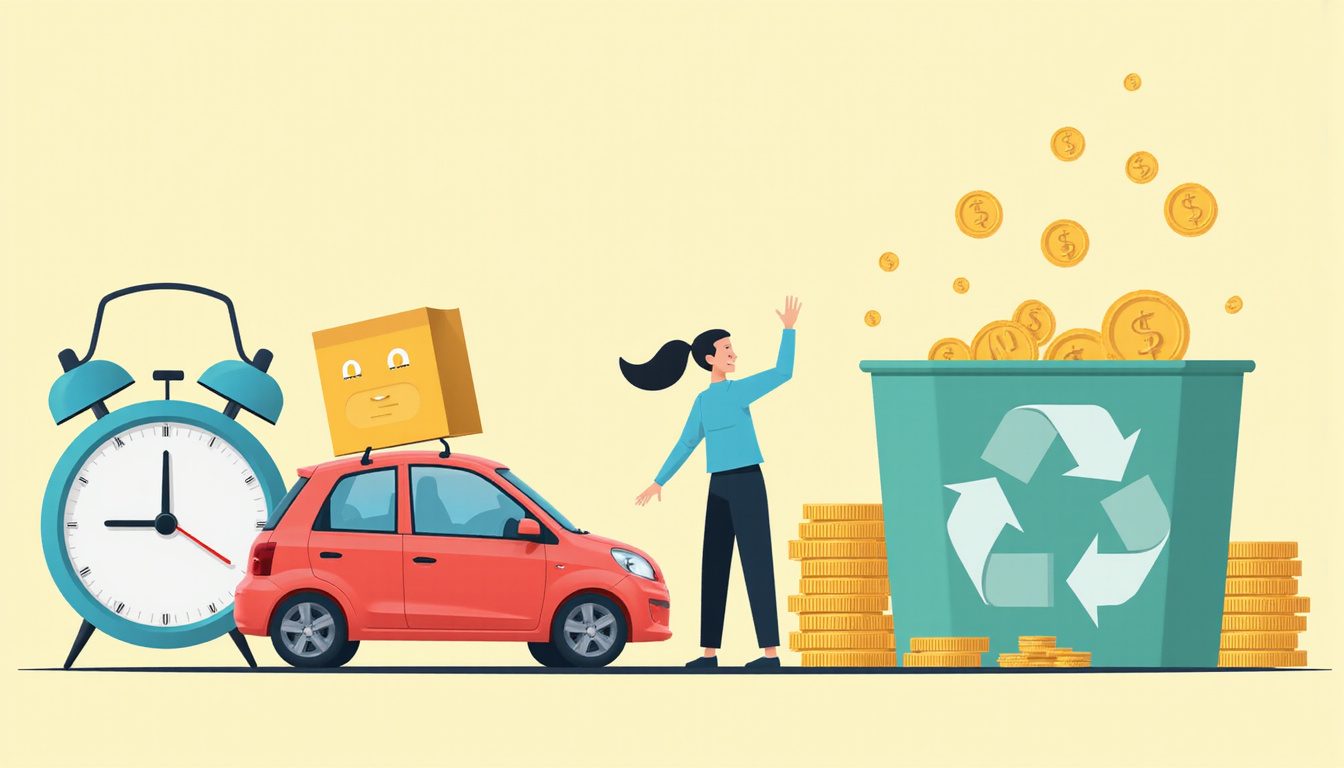
Understanding Transfer Station Rules (So You Don’t Get Fined)
Every transfer station has rules, and violating them can cost you money or even get you turned away.
Common Prohibited or Restricted Items
Most facilities strictly regulate:
- Tires
- Paints, solvents, and chemicals
- Batteries
- Motor oil and other automotive fluids
- Refrigerators, freezers, and A/C units (refrigerant rules)
- Propane tanks and pressurized cylinders
- Asbestos-containing materials
Some transfer stations accept these items only on designated days or at special rates. Always check your local guidelines; the U.S. EPA also provides general household hazardous waste guidance (see EPA Household Hazardous Waste – source).
Showing up with banned items can:
- Force you to take them back home
- Lead to surcharges
- Cost you extra time sorting at the site
Follow Safety and Cover-Load Requirements
Most transfer station rules include:
- Covered loads (tarps/straps) to prevent littering
- Speed limits and traffic directions
- No scavenging in the tipping area
- Hard hat or safety vest requirements for some commercial sites
Ignoring these can result in:
- Fines for unsecured loads
- Being turned away at the gate
- Delays while you fix issues in the parking lot
Covering your load with a simple tarp is usually cheaper than the unsecured-load ticket some municipalities now enforce.
How Contractors and Frequent Users Maximize Savings
If you’re a contractor, landscaper, or regular DIY renovator, your transfer station habits directly affect your bottom line. Here’s how pros treat it.
1. Get a Commercial Account or Permit
Many facilities offer:
- Commercial accounts for regular users
- Annual permits or passes
- Discounted per-ton rates above a certain volume
Benefits can include:
- Faster processing at the scale house
- Monthly billing (no paying each trip)
- Access to separate commercial lanes
Even small contractors can qualify and often recoup the admin hassle within a few months of use.
2. Track Your Ticket Stubs
Each time you use the transfer station, you usually receive a ticket with:
- Gross and tare weights
- Net tonnage
- Material type
- Date and time
Tracking this information helps you:
- Price future jobs accurately (you’ll know how many tons similar jobs generated)
- Identify which materials cost you the most
- Detect billing errors if tonnages suddenly spike
A simple spreadsheet or job-tracking app can turn this data into real savings.
3. Use the Station for Recycling Revenue
Some transfer station sites buy:
- Scrap metal
- Clean cardboard in bulk
- Certain high-value recyclables
While you won’t get rich, selling these instead of landfilling them can:
- Offset your tipping fees
- Help clients see you as more sustainable
- Reduce your main-load weight (and thus cost)
Ask if your transfer station has a scrap metal section that pays by the pound.
Environmental Benefits (That Also Save You Money Long-Term)
Using a transfer station efficiently isn’t just about your wallet. Better waste management has a ripple effect:
- Consolidated hauling reduces fuel use and emissions
- Proper hazardous waste handling prevents expensive cleanups and health risks
- Increased recycling can lower municipal disposal costs, often keeping local taxes or fees more stable
By separating materials and following guidelines, you support a more efficient system that tends to keep community-wide costs down over time.
Practical Checklist for Your Next Transfer Station Trip
Before you head out, run through this quick list to save money and time:
- Sort waste into categories: trash, recyclables, metal, yard waste, special items
- Remove obvious recyclables (cardboard, metals, clean plastics)
- Check your transfer station’s website for:
- Hours and holiday closures
- Fees and special-item rules
- Maps or layout diagrams
- Choose off-peak hours if possible
- Load your vehicle in the order you’ll unload
- Secure and cover your load (tarp/straps)
- Bring:
- ID or proof of residency (if required)
- Payment method (some are card-only or cash-only)
- Gloves and basic hand tools (shovel, rake, utility knife)
This small bit of prep work can turn an all-morning headache into a quick, efficient errand.
FAQ: Common Questions About Transfer Stations
1. Is a transfer station the same as a dump?
Not exactly. A trash transfer station is typically an intermediate site where waste is temporarily stored and consolidated before being transported to a landfill, recycling plant, or waste-to-energy facility. A traditional “dump” or landfill is the final disposal location where waste is buried or otherwise processed long-term.
2. Can I recycle at a local transfer station?
Most local transfer station facilities offer some level of recycling drop-off, including cardboard, metals, and often certain plastics and glass. Availability and rules vary widely, so check your municipality’s website or call ahead to see which materials are accepted and whether they’re free or fee-based.
3. How much does it cost to use a transfer station?
Municipal transfer station fees depend on your area and the materials you bring. Many charge by weight (for example, per ton, with a minimum fee), while others charge flat rates per car, SUV, or pickup load. Special items like tires, appliances with refrigerant, and hazardous waste often have separate fees or designated drop-off events.
Turn the Transfer Station Into Your Money-Saving Ally
Now that you understand how a transfer station works—and how fees, sorting, and timing interact—you can approach your next disposal run as a smart strategist instead of a frustrated driver in a long line.
- Sort and separate to access lower or free rates
- Plan your timing and loading order to get in and out quickly
- Learn your facility’s specific rules so you never pay unnecessary fines or surcharges
Don’t wait until your next chaotic cleanout to figure it all out on the fly. Visit your local transfer station’s website today, review their guidelines and fees, and plan your first “optimized” trip. With a bit of preparation, you’ll turn every drop-off into a faster, cheaper, and more efficient part of your project—saving both your weekend and your wallet.
Junk Guys San Diego
Phone: 619-597-2299
Website: www.junkguyssd.com
Email: junkguyssd619@gmail.com