
Small Load Hauling Made Simple: Save Time, Money, and Stress
Small load hauling doesn’t have to be a logistical headache or a budget-busting chore. Whether you’re moving a couch across town, clearing out a storage unit, picking up materials for a DIY project, or delivering products to customers, the right small load hauling solution can save you time, money, and a lot of stress.
This guide walks you through what small load hauling is, who it’s for, how to choose the right option, and practical tips to keep everything safe, legal, and affordable.
What Is Small Load Hauling?
Small load hauling generally refers to transporting loads that are too big for a regular car, but don’t require a full-size moving truck or freight shipment. Think:
- Furniture and appliances
- Mattresses and bed frames
- Small construction materials (lumber, drywall, tools)
- Yard waste or renovation debris
- Small business deliveries and local courier-style loads
Instead of overpaying for a large truck or arranging complex freight, small load hauling focuses on right-sizing the vehicle and service to the job at hand.
When Does Small Load Hauling Make Sense?
Not every move or delivery needs a 26-foot truck or a full-service moving crew. Small load hauling is ideal when:
-
You have a single item or a few bulky items.
For example, you’re buying a used washer and dryer from a marketplace or moving a sofa between apartments. -
You’re doing a mini-move.
College students, studio apartments, or partial moves (like taking essentials to a second home) are perfect use cases. -
You’re handling project-based hauling.
DIY home improvement projects, landscaping, or light construction often require multiple small trips for materials or debris removal. -
Your business makes local deliveries.
Small retailers, e-commerce sellers, and tradespeople frequently need local small load hauling for customer orders, supplies, or equipment.
Whenever the load is smaller, localized, and time-sensitive, small load hauling can be significantly more efficient than traditional moving or freight options.
Main Options for Small Load Hauling
You have several ways to move small loads. The right choice depends on your budget, how much time you have, and how hands-on you want to be.
1. Do-It-Yourself (DIY) Hauling
With DIY small load hauling, you move everything yourself using:
- Your own vehicle (SUV, minivan, pickup)
- A rented pickup truck or cargo van
- A small utility trailer (rented or owned)
Pros
- Often the lowest direct cost
- Full control over timing and handling
- Ideal for flexible schedules and short distances
Cons
- You do all the lifting and driving
- Risk of improper loading or damage
- May require extra trips if you misjudge capacity
DIY is a good fit if you’re physically able, have some basic loading skills, and want to keep cash outlay to a minimum.
2. On-Demand Small Load Hauling Services
On-demand platforms and local independent haulers specialize in small load hauling. You book via app, website, or phone, and a driver with a suitable vehicle shows up to move your items.
Pros
- Fast, flexible scheduling
- No need to rent, drive, or return a vehicle
- Many services include basic loading/unloading
Cons
- Costs more than pure DIY
- Quality varies between providers
- Limited help for extremely heavy or complex items
This is a strong choice if you want convenience, don’t want to drive a truck, or are short on time.
3. Traditional Movers for “Small Moves”
Some moving companies offer special “small move” or “single item” services. They send a crew and a smaller truck for brief local jobs.
Pros
- Professional packing and handling
- Ideal for fragile, high-value items (pianos, antiques)
- You can often add packing materials and protection
Cons
- Typically the priciest option for very small loads
- Minimum charges or hourly minimums may apply
- Scheduling can be less flexible than on-demand options
Traditional movers make the most sense when your items are heavy, delicate, or irreplaceable, and you value maximum protection over minimum price.
How to Choose the Right Small Load Hauling Option
Before you pick a service or decide to go DIY, answer these quick questions:
-
What exactly needs to be moved?
- Count items and note sizes, weights, and fragility.
- Take photos and measurements if you’ll get quotes.
-
How far is the haul?
- Short local trips may favor DIY or on-demand services.
- Longer distances may require a professional mover or specialized service.
-
What is your total budget?
- Remember to include fuel, rental fees, tolls, supplies, and your time.
-
How much time and energy do you have?
- Limited time or physical constraints often point to hiring help.
-
Do you need flexibility or a firm schedule?
- On-demand services are great for quick turnarounds.
- Movers are better for scheduled, coordinated moves.
Weighing these factors helps you match your needs to the right small load hauling solution without overspending.
Cost-Saving Tips for Small Load Hauling
You don’t have to choose between overspending and cutting corners. With a little planning, small load hauling can be both affordable and smooth.
1. Consolidate and Declutter
Every extra trip adds time and cost. Before hauling:
- Donate, sell, or recycle what you don’t need.
- Break down furniture that can be disassembled.
- Group items by destination so you can load more efficiently.
2. Compare Multiple Quotes
If you’re hiring help, don’t accept the first estimate:
- Get quotes from at least 2–3 providers.
- Ask about minimum charges, mileage, and extra fees (stairs, wait time, etc.).
- Clarify whether basic loading/unloading is included.
For a short local haul, a slightly higher hourly rate with no extra fees might end up cheaper than a low hourly rate with add-ons.
3. Choose the Right Day and Time
Demand for small load hauling often spikes on weekends, at the beginning and end of the month, and during peak moving seasons.
- If possible, schedule on weekdays or mid-month.
- Ask if off-peak discounts are available.
Flexibility can translate directly into savings.
4. Use the Smallest Practical Vehicle
Overkill costs money. A cargo van or mid-size pickup may be enough for:
- 1–2 large pieces of furniture
- Several boxes and small furniture
- A modest load of building supplies
Smaller vehicles are typically cheaper to rent and fuel and easier to park and maneuver in tight city streets.
Safety and Legal Considerations
Even for small load hauling, safety and compliance are non-negotiable.
Load Securement Basics
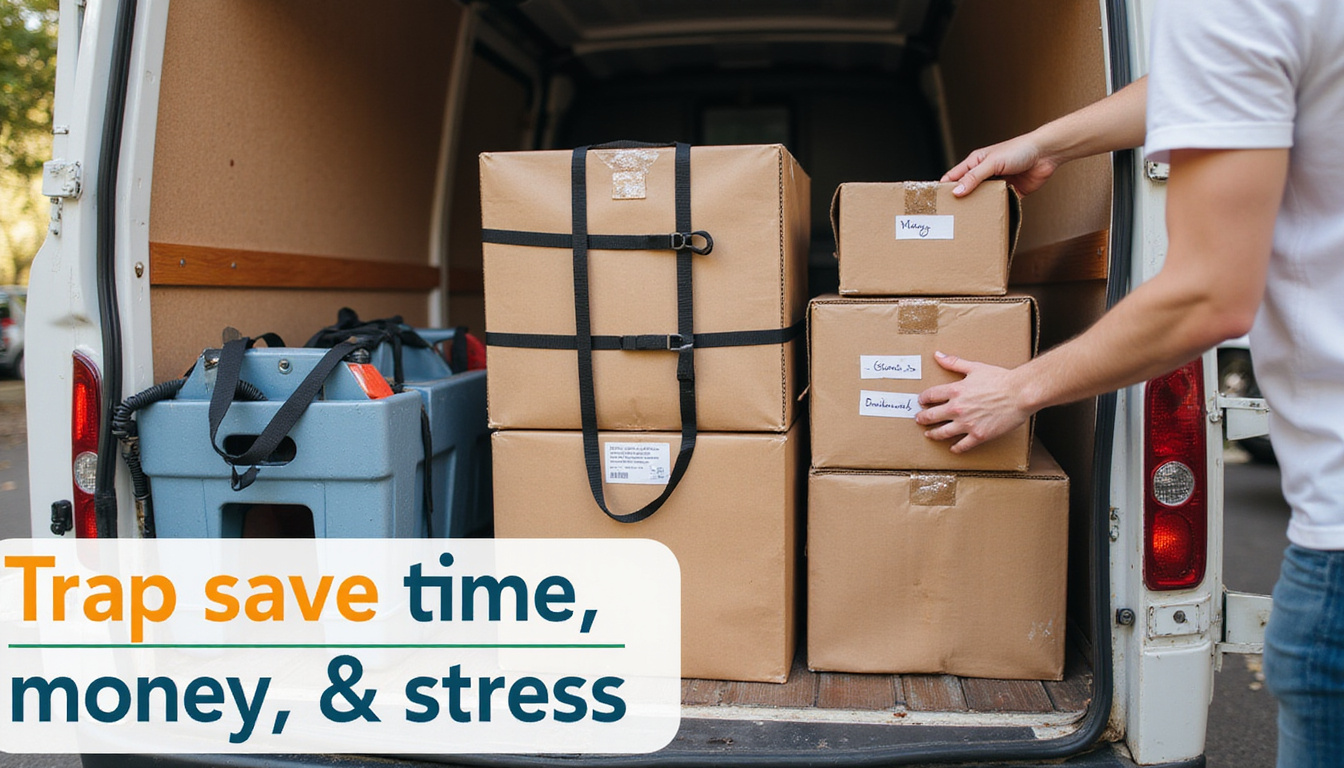
According to the U.S. Federal Motor Carrier Safety Administration, improperly secured cargo is a major cause of road accidents (source: FMCSA Cargo Securement). Even if you’re not a commercial driver, these best practices still apply:
- Use ratchet straps, not just rope or bungee cords.
- Distribute weight evenly to avoid tipping or fishtailing.
- Place the heaviest items low and against fixed surfaces.
- Cover loose loads (yard waste, debris) with a tarp and secure it.
Don’t Overload the Vehicle
Every vehicle has:
- A payload limit (how much weight it can safely carry)
- A towing capacity (how much it can tow, if using a trailer)
Check your owner’s manual or the sticker on the driver-side door. Exceeding these limits can damage the vehicle, reduce braking power, and be dangerous.
Mind Local Regulations
Depending on your location, you may need to consider:
- Landfill or transfer station rules for waste loads
- Road restrictions for trailers or certain roads
- Parking regulations while loading/unloading
If you’re hiring a service, confirm that they’re properly licensed and insured for the type of work they’re doing.
How to Prepare Your Items for Small Load Hauling
Good preparation minimizes damage and delays.
Protect and Pack Smart
- Disassemble beds, tables, and modular furniture when possible.
- Wrap furniture with blankets or moving pads, then secure with tape or stretch wrap.
- Box smaller items and label by room and fragility.
- Use original boxes for electronics when available, or double-box with padding.
Make Loading Easy
- Clear paths from each room to the exit.
- Reserve elevators or loading zones if needed.
- Pre-stage items near the entry point to minimize time and back-and-forth.
The more ready everything is when help arrives, the less you’ll pay for waiting, and the smoother the small load hauling process will be.
Small Load Hauling for Businesses
For small and mid-sized businesses, recurring small load hauling can be a hidden cost center—but also a big opportunity.
Common Business Uses
- Delivering products to local customers
- Transporting tools and materials between job sites
- Restocking satellite locations or pop-up shops
- Handling returns, recycling, or waste removal
Ways to Optimize
- Standardize loads. Use consistent containers or pallets where possible.
- Create a schedule. Batch deliveries or pickups on certain days to reduce trips.
- Track costs. Compare in-house hauling (staff + vehicle) vs. outsourced options.
- Build relationships. Regular use of a local hauler can yield better pricing and priority service.
A well-managed small load hauling strategy helps businesses improve reliability, reduce overhead, and offer better service to customers.
Quick Checklist: Making Small Load Hauling Simple
Use this checklist to plan your next small load haul from start to finish:
- List and measure all items to be moved.
- Decide on DIY, on-demand hauling, or traditional movers.
- Get 2–3 quotes (if hiring) and confirm what’s included.
- Choose off-peak timing if flexibility allows.
- Declutter and consolidate to cut trips and weight.
- Gather supplies: straps, blankets, boxes, tape, tarp.
- Disassemble and protect furniture and fragile items.
- Confirm access: parking, elevators, building rules.
- Load heavy items first and secure everything tightly.
- Drive cautiously and re-check straps at stops.
FAQ: Small Load Hauling Questions Answered
1. How much does small load hauling cost?
Pricing varies by distance, size, and service type, but many local small load hauling jobs fall in the $75–$300 range. Single-item moves or short local trips are usually on the lower end, while heavier items, stairs, waiting time, or special handling can increase the price.
2. Can I use small load moving services for just one piece of furniture?
Yes. Many providers offer single-item or small load moving specifically for items like couches, dressers, or appliances. This is often far cheaper and faster than booking a full-scale moving truck and crew.
3. What vehicle is best for small load transport?
For most small load transport needs, a cargo van or pickup truck works well. They offer more space and payload than a car, without the complexity of driving a large box truck. For very small jobs, a well-packed SUV or minivan may be enough.
Take the Stress Out of Your Next Small Load Haul
You don’t need a massive truck or a complicated moving plan to handle a few bulky items, a mini-move, or a local delivery. With the right approach, small load hauling becomes straightforward: choose the right service, plan ahead, secure your items properly, and keep an eye on costs.
If you’re planning a small move, a marketplace pickup, or a local delivery run, start by listing what you need to move and when—then explore your best-fit small load hauling options. A little preparation now will save you time, money, and stress when it matters most.
Junk Guys San Diego
Phone: 619-597-2299
Website: www.junkguyssd.com
Email: junkguyssd619@gmail.com