
When an accident, crime, or infectious spill leaves a space unsafe, understanding biohazard cleanup helps family members and property managers move from shock to action quickly. The goal of professional biohazard cleanup is simple: remove dangerous contaminants, stop cross-contamination, and restore a safe environment as fast as possible while protecting people and evidence. This article pulls back the curtain on the methods experts use so you can make safer, faster decisions when time and health matter.
Why professional biohazard cleanup matters
People often underestimate how hazardous biological contamination can be. Blood, bodily fluids, decomposing tissue, mold, and contaminated water carry pathogens and chemical hazards that are not visible to the naked eye. Proper biohazard cleanup follows strict health and legal protocols to prevent disease transmission, environmental contamination, and further property damage. When handled improperly, cleanup can expose residents, responders, and cleanup workers to hepatitis, HIV, tuberculosis, and other serious risks. That’s why trained crews and regulated procedures are essential.
Safety-first protocols used by pros
Professional teams begin every job with a safety assessment and a site-specific plan. Key protocols include:
- Risk assessment: identify types of biohazards, affected areas, and any structural hazards.
- Containment: isolate the work zone to stop the spread of contaminants.
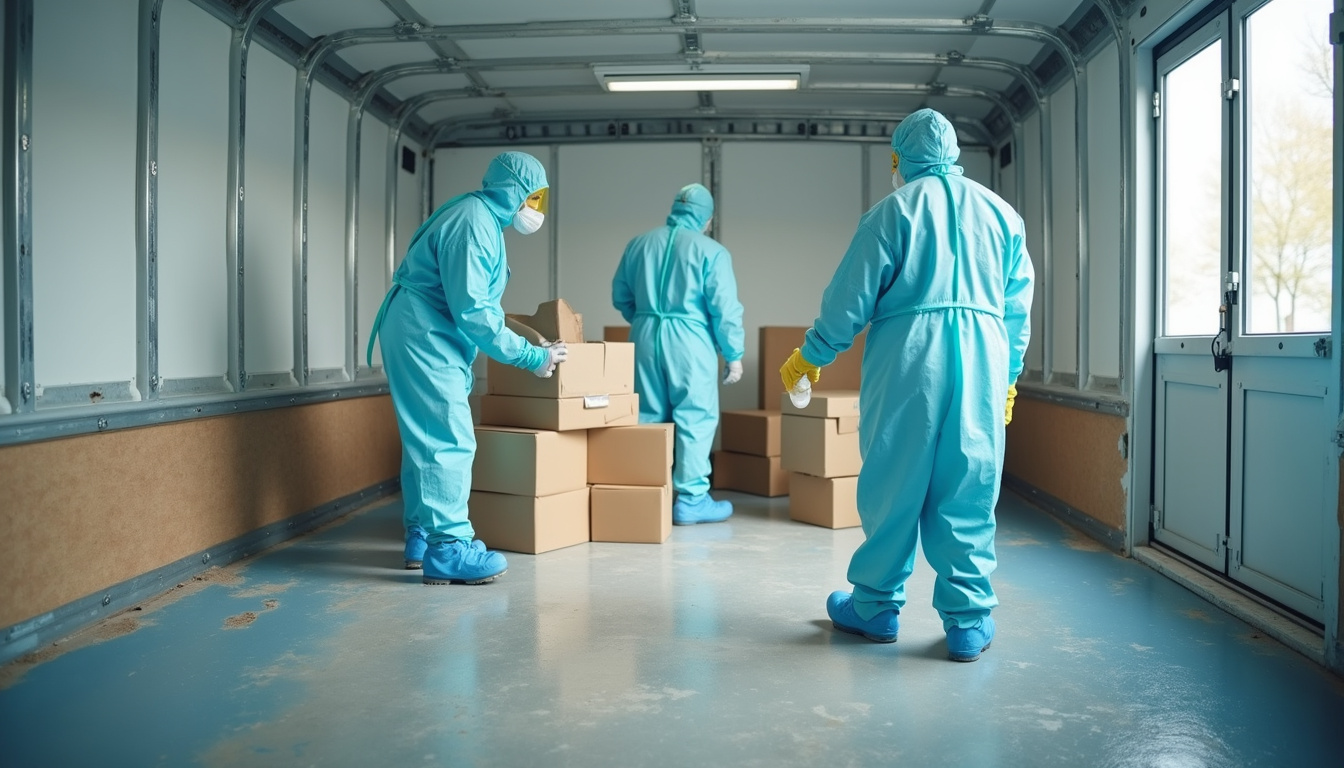
- Personal protective equipment (PPE): appropriate gloves, respirators, coveralls, and eye protection.
- Decontamination zones: set up clean and dirty areas with proper donning/doffing procedures.
- Waste handling: label, package, and transport biohazard waste according to laws.
These steps are non-negotiable. Following them reduces exposure and keeps the work efficient while meeting OSHA and local health regulations (source: https://www.osha.gov/bloodborne-pathogens).
Tools and products that speed safe restoration
Professionals use industry-grade tools and EPA-registered disinfectants that are proven to kill pathogens. Common items on a tech’s truck include:
- HEPA vacuum systems to remove particulates without releasing them back into the air.
- Hospital-grade disinfectants and sporicides for hard surfaces.
- Enzymatic cleaners for organic matter to break down proteins and odors.
- Industrial dehumidifiers and air scrubbers to control moisture and airborne contaminants.
- Proper biohazard disposal containers and sharps boxes.
Using the right chemistry matters: not all disinfectants work on all organisms, and contact time (how long a surface stays wet with product) is critical. Professionals choose products based on target organisms and surface types to ensure effective results.
A step-by-step look at a typical cleanup
While each job is unique, experienced crews follow a consistent workflow to restore safety fast:
- Initial walkthrough and documentation: Photograph and document the scene for health and legal records.
- Containment and PPE setup: Seal off HVAC, create barriers, and ensure all workers are wearing correct PPE.
- Removal of gross contamination: Safely remove materials saturated with biological matter for proper disposal.
- HEPA vacuuming and abrasive cleaning: Remove residual particulate and soils from surfaces.
- Disinfection and dwell time: Apply disinfectants and maintain required contact time to inactivate pathogens.
- Deodorization and finishing: Use targeted odor control and verify the environment is visually and microbiologically clean.
- Clearance verification and waste disposal: Perform testing when needed and transport regulated waste to licensed facilities.
This order minimizes cross-contamination and ensures each stage builds on a clean surface for the next step.
Common mistakes that slow recovery (and how pros avoid them)
- Skipping risk assessment: Underestimating hazards leads to improper PPE and protocols.
- Using household cleaners as a substitute: Mild detergents may not inactivate infectious agents.
- Improper waste disposal: Discarding regulated waste in regular trash creates legal and health risks.
- Rushing the disinfection dwell time: Wiping off disinfectant too soon negates its effectiveness.
Experienced teams train to avoid these errors and use checklists and oversight to maintain consistent quality.
When to call a professional vs. DIY
- Large volumes of blood or bodily fluids
- Suspected infectious disease exposure (e.g., confirmed COVID-19, TB)
- Crime scenes or unattended deaths requiring evidence preservation
- Sewage backups, flooding with contaminated water, or mold growth over large areas
- Any situation where you’re unsure about legal disposal or health risk
If in doubt, contact an accredited biohazard cleanup company—getting it wrong can be far more costly than professional service.
How professionals balance speed with thoroughness
- Pre-staged equipment and mobile units to arrive ready
- Standard operating procedures (SOPs) to streamline repetitive tasks
- Trained teams with role assignments to work in parallel safely
- Rapid testing tools when appropriate to confirm decontamination
- Communication with clients and authorities to coordinate permits and waste handling
This combination of planning, training, and teamwork is what allows pros to work fast without sacrificing safety.
Insurance, certification, and legal considerations
Licensed biohazard cleanup companies often carry liability insurance and certifications showing compliance with federal, state, and local rules. Always ask for:
- Proof of insurance and bonding
- Certifications in bloodborne pathogens training and hazardous waste handling
- References and documented experience in similar jobs
- Written estimates and a scope of work that includes waste disposal practices
Proper documentation protects property owners and ensures legal compliance throughout the process.
Checklist: What to expect from a reputable biohazard cleanup service
- Rapid response and clear arrival window
- On-site assessment and written plan
- Transparent pricing and disposal fees
- Use of PPE and industry-grade equipment
- Post-cleanup verification and documentation
- Safe transport and disposal of regulated waste
FAQ — quick answers to common questions
Q: What is biohazard cleanup and who should perform it?
A: Biohazard cleanup is the professional removal, cleaning, and decontamination of areas contaminated with biological materials such as blood, bodily fluids, sewage, or infectious residues. It should be performed by trained technicians who follow OSHA and local health regulations.
Q: How long does biohazard cleanup take?
A: Job length depends on the contamination extent, but professionals typically clean and restore a small room in a few hours; larger or more complex scenes can take a day or more. Clearance testing can add time.
Q: Are biohazard cleanup services covered by insurance?
A: Some homeowner or commercial policies may cover biohazard cleanup after incidents like sewage backups or violent crimes—coverage varies, so check with your insurer and retain documentation from the cleanup provider.
Resources and further reading
For authoritative guidance on occupational exposure and safe handling of bloodborne pathogens, reference OSHA’s standard and resources to understand worker protections and employer obligations (source: https://www.osha.gov/bloodborne-pathogens).
Conclusion — act now to protect health and property
Biohazard cleanup is a specialized field that blends safety protocols, technical tools, and legal compliance to restore environments quickly and responsibly. When faced with biological contamination, the fastest path to safety is informed action: assess the risk, contain the area, and call trained professionals who follow proven methods. Waiting or attempting DIY cleanup in hazardous situations can spread contamination, increase health risks, and complicate insurance claims. If you’re confronting a hazardous scene now, contact a licensed biohazard cleanup provider for a rapid assessment and clear plan to restore your home or business safely—don’t gamble on your health or your property.
Junk Guys San Diego
Phone: 619-597-2299
Website: www.junkguyssd.com
Email: junkguyssd619@gmail.com